




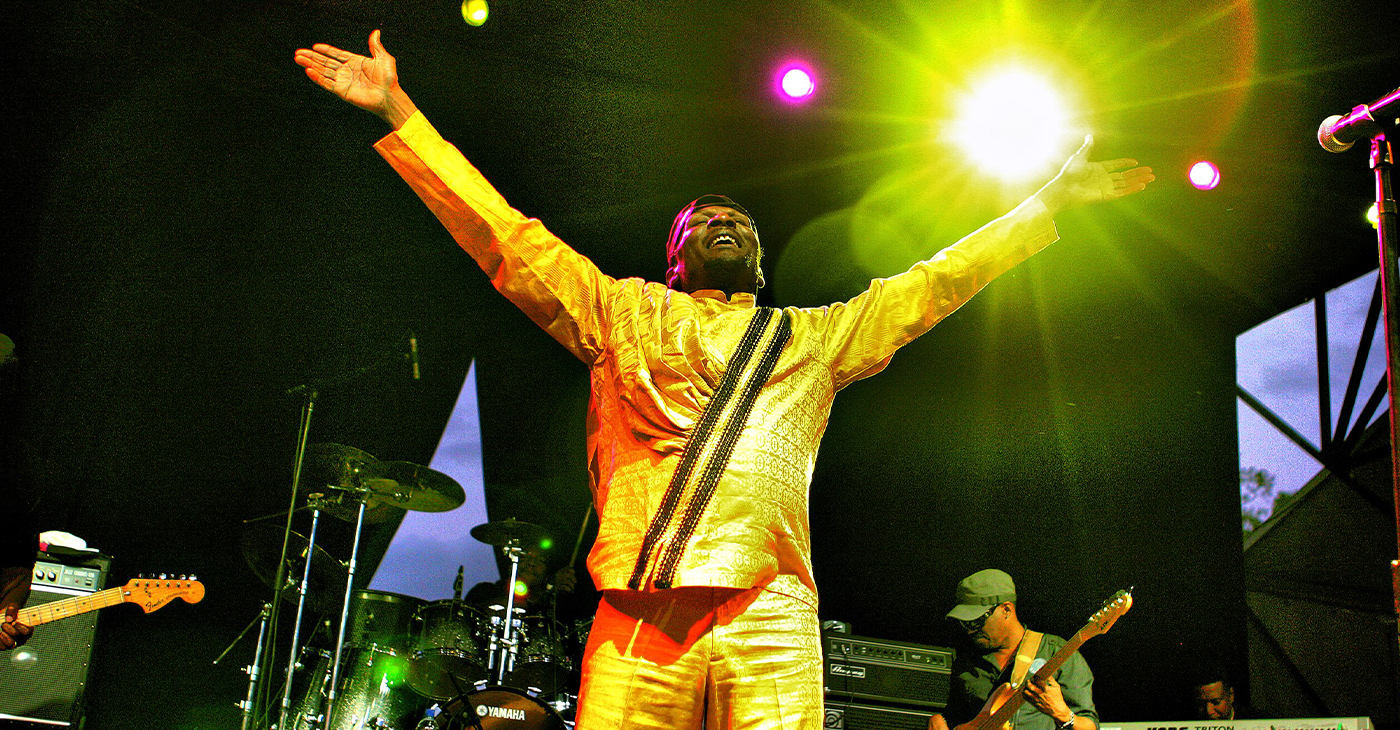
New York Carib News Staff
Reggae icon Jimmy Cliff will be honored with an official funeral, Culture Minister Olivia “Babsy” Grange confirmed Tuesday, noting that full details will be released in the coming days.
Addressing the House of Representatives as members paid tribute to the legendary singer, actor, and songwriter—who died Monday at age 81—Grange said Cliff left specific instructions outlining how he wished his homeland to bid him farewell.
She recalled that shortly before his passing, she spoke with Cliff about the devastation caused by Hurricane Melissa. He had expressed a strong desire to return home and contribute to rebuilding efforts, particularly in his native parish of St James.
Prime Minister Andrew Holness said Jamaica was mourning “one of our greatest sons.”
“Jimmy Cliff has taken his final bow, but his voice will continue to echo in dancehalls, churches, and quiet moments of reflection,” Holness said. “His life reminds us that Jamaica’s creativity is world-class and that our stories—told in our language and rhythm—are powerful enough to move the world.”
Opposition Leader Mark Golding said Cliff occupies a singular place in Jamaica’s cultural history.
“He cannot be categorized like any other artiste we have produced,” Golding said, praising Cliff’s distinctive sound and global influence. He highlighted The Harder They Come as a cultural masterpiece that helped introduce Jamaican music and identity to the world.
Tourism Minister Edmund Bartlett described Cliff as a “one-man global marketing campaign” for Jamaica, noting that his music inspired countless visitors to the island. He pointed to the renaming of Montego Bay’s Gloucester Avenue as Jimmy Cliff Boulevard and proposed that Cliff’s alma mater, Somerton Primary, be renamed the Jimmy Cliff School of Excellence in the Arts.
Born James Chambers, the Grammy-winning artist was revered for hits such as “Many Rivers to Cross,” “The Harder They Come,” “I Can See Clearly Now,” “You Can Get It If You Really Want,” and “The Rebel in Me.”He also starred in the seminal film The Harder They Come, which helped cement Jamaica’s cultural footprint on the global stage.