

Close Menu
  • Home
  • News
    • Local
  • Opinion
  • Business
  • Health
  • Education
  • Sports
  • Podcast

Subscribe to Updates

Get the latest creative news from FooBar about art, design and business.

What's Hot

Chicago ‘Fibroid Slayer’ Makes History with Biggest Case of His Career

Charles Barkley Dares ESPN to Fire Him After Cardi B

Donalds Inching Closer to Becoming First-Ever Black Florida Governor

Facebook X (Twitter) Instagram
  • Lifestyle
  • Podcast
  • Contact Us
Facebook X (Twitter) Instagram Pinterest Vimeo
The Windy City Word
  • Home
  • News
    1. Local
    2. View All

    Uncle Remus Says Similar Restaurant Name Is Diluting Its Brand and Misleading Customers

    Youth curfew vote stalled in Chicago City Council’s public safety committee

    Organizers, CBA Coalition pushback on proposed luxury hotel near Obama Presidential Center

    New petition calls for state oversight and new leadership at Roseland Community Hospital

    Chicago ‘Fibroid Slayer’ Makes History with Biggest Case of His Career

    Venus Williams Calls a Sabalenka Exit a Tragedy

    COMMENTARY: Using Art, Healing, And Community to Transform Mental Health Dialogue

    OP-ED: Measure ER Offers an Opportunity to Vote Our Values

  • Opinion

    Rep Davis, Olive Post CDR., Call on Trump to Restore file of Black Vietnam War Hero to Website

    Capitalize on Slower Car Dealership Sales in 2025

    The High Cost Of Wealth Worship

    What Every Black Child Needs in the World

    Changing the Game: Westside Mom Shares Bally’s Job Experience with Son

  • Business

    Illinois Department of Innovation & Technology supplier diversity office to host procurement webinar for vendors

    Crusader Publisher host Ukrainian Tech Businessmen eyeing Gary investment

    Sims applauds $220,000 in local Back to Business grants

    New Hire360 partnership to support diversity in local trades

    Taking your small business to the next level

  • Health

    Chicago ‘Fibroid Slayer’ Makes History with Biggest Case of His Career

    COMMENTARY: Using Art, Healing, And Community to Transform Mental Health Dialogue

    OP-ED: Measure ER Offers an Opportunity to Vote Our Values

    Task Force Aims to Turn Birmingham Bystanders into Lifesavers Ahead of CPR & AED Awareness Week

    Atlanta’s Culinary Community Gathers to Fight Senior Hunger at TASTE 2026

  • Education

    COMMENTARY: Joy of Educating Black Boys

    ‘Find a Way or Make a Way’: Congresswoman Nikema Williams Announces $250,000 in Campus Security Funding for CAU

    How UNCF is Cultivating the Next Generation of Legacy Leaders

    Black Student Loan Default Rate Five Times Higher than Whites

    10 Assets of Black People

  • Sports

    Venus Williams Calls a Sabalenka Exit a Tragedy

    NBA: Adam Silver speaks on expansion, scandal, and more

    NBA Playoffs: ATL, Raptors and T-Wolves win Game 3s

    Dads, Kids & Community Clean with a Purpose

    WNBA Draft 2026 Explained

  • Podcast
The Windy City Word
Health

Dying From a Name: Racism, Resentment, and Politics in Health Care Are Even More Unaffordable

staffBy staffUpdated:No Comments4 Mins Read
Facebook Twitter Pinterest Telegram LinkedIn Tumblr Email Reddit
Share
Facebook Twitter LinkedIn Pinterest WhatsApp Email

By Stacy M. Brown
Black Press USA Senior National Correspondent

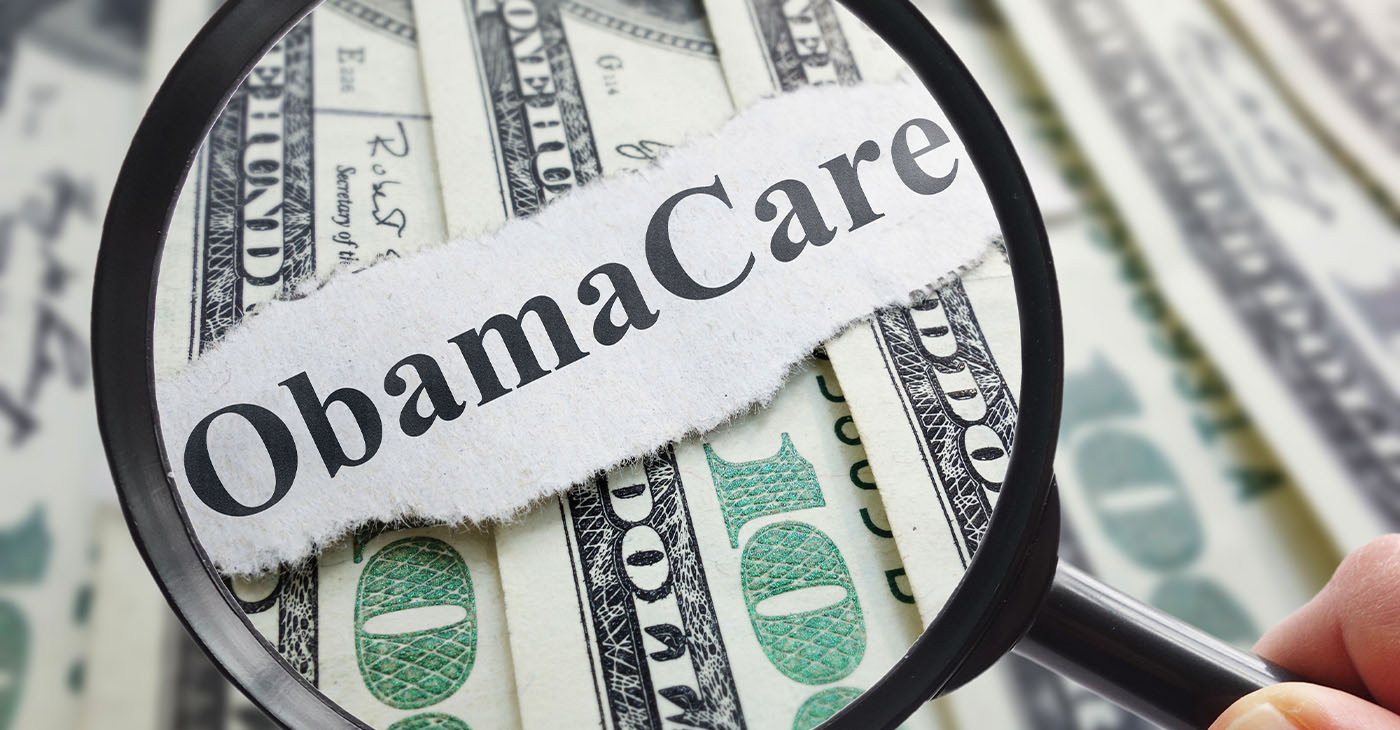
As millions of Americans brace for health insurance bills that will soon double or worse, the coming crisis is not the result of confusion or accident. It is the consequence of a long campaign that treated health care not as a human necessity, but as a battleground for grievance, race, and political spite.

At the center of that reckoning is the Affordable Care Act, the same law that will soon become unaffordable for tens of millions if Congress fails to extend enhanced subsidies set to expire at the end of the year. Without those credits, premiums for marketplace plans are expected to rise by more than 100 percent on average, forcing millions to drop coverage entirely. In West Virginia alone, analysis shows premiums for some households increasing tenfold, with older residents and middle-income families hit hardest, a spike that advocates say will push many to forgo coverage altogether.

Yet the danger unfolding now cannot be understood without confronting a deeper truth. Opposition to the law has never been solely about cost, structure, or government reach. It has also been about race, resentment, and the name Barack Obama.

Polling from West Virginia lays that reality bare. When residents were asked their opinion of the Affordable Care Act, 70 percent approved and just 30 percent disapproved. When asked about Obamacare, support collapsed. Only 30 percent approved while 70 percent disapproved. The policy did not change. Only the name did.

That pattern is not an outlier. National research has repeatedly shown that many Americans respond differently to the law depending on whether it is associated with Obama himself. A widely cited survey found that more than one-third of Americans did not know the Affordable Care Act and Obamacare were the same law, and confusion was especially pronounced among lower-income Americans who stood to lose the most from repeal or erosion.

Academic research goes further. A major peer-reviewed study published in BMC Health Services Research found that states with higher levels of racial resentment were significantly less likely to fully implement ACA marketplaces and showed lower enrollment rates, even after controlling for ideology, income, and health status. The study concluded that hostility toward the law was often rooted in perceptions that it primarily benefited Black Americans and other groups deemed undeserving of public support.

That hostility was not subtle. From the moment President Obama signed the law, Republicans voted more than 50 times to repeal it. Donald Trump made dismantling Obamacare a centerpiece of his political identity, branding the law as a symbol of what he called government excess while offering no comprehensive replacement. Even now, as subsidies lapse and families face ruinous costs, Trump and GOP leaders have offered rhetoric instead of relief.

Both Democratic and Republican bills to extend the subsidies failed in the Senate this month, falling short of the votes needed to advance. The result leaves more than 24 million Americans insured through the ACA marketplace exposed to dramatic cost increases beginning January 1.

Public opinion stands in stark contrast to congressional inaction. A recent Gallup survey found that approval of the Affordable Care Act has reached a new high of 57 percent, driven largely by independents, even as Republicans remain overwhelmingly opposed. Separate polling shows that roughly two-thirds of Americans believe the federal government should ensure health care coverage for all, including majorities of independents and lower-income Republicans.

Still, the name Obama remains radioactive in certain quarters. Research has shown that simply attaching Obama’s name to a policy can activate racialized opposition that would not otherwise exist.

This is the quiet cruelty of the moment. The same people who approve of the Affordable Care Act recoil at Obamacare. The same voters who say government should ensure health care for all tolerate a political strategy that withholds it. The same lawmakers who warn of rising costs allow those costs to explode rather than extend a program they fear defending.

Share. Facebook Twitter Pinterest LinkedIn Reddit WhatsApp Telegram Email
Previous ArticleWhen Stephen A. Smith Speaks, White Power Listens
Next Article OP-ED: Kemet Immigration PSA Debuts at National Press Club, Earns Congressional Honor and NNPA Support
staff

Related Posts

Chicago ‘Fibroid Slayer’ Makes History with Biggest Case of His Career

Venus Williams Calls a Sabalenka Exit a Tragedy

COMMENTARY: Using Art, Healing, And Community to Transform Mental Health Dialogue

Leave A Reply Cancel Reply

Video of the Week
https://www.youtube.com/watch?v=AxFXtgzTu4U
Advertisement
Video of the Week
https://www.youtube.com/watch?v=OjfvYnUXHuI
ABOUT US


The Windy City Word is a weekly newspaper that projects a positive image of the community it serves. It reflects life on the Greater West Side as seen by the people who live and work here.

OUR PICKS

AI Race Cars: Will Tech Take Over? Formula 1 Future SHOCK!

Election Night on The Yard at Howard University

Lease Mileage Nightmare: Avoid Costly Over Mileage Fees!

MOST POPULAR

Chicago ‘Fibroid Slayer’ Makes History with Biggest Case of His Career

COMMENTARY: Using Art, Healing, And Community to Transform Mental Health Dialogue

OP-ED: Measure ER Offers an Opportunity to Vote Our Values

© 2026 The Windy City Word. Site Designed by No Regret Medai.
  • Home
  • Lifestyle
  • Podcast
  • Contact Us

Type above and press Enter to search. Press Esc to cancel.