




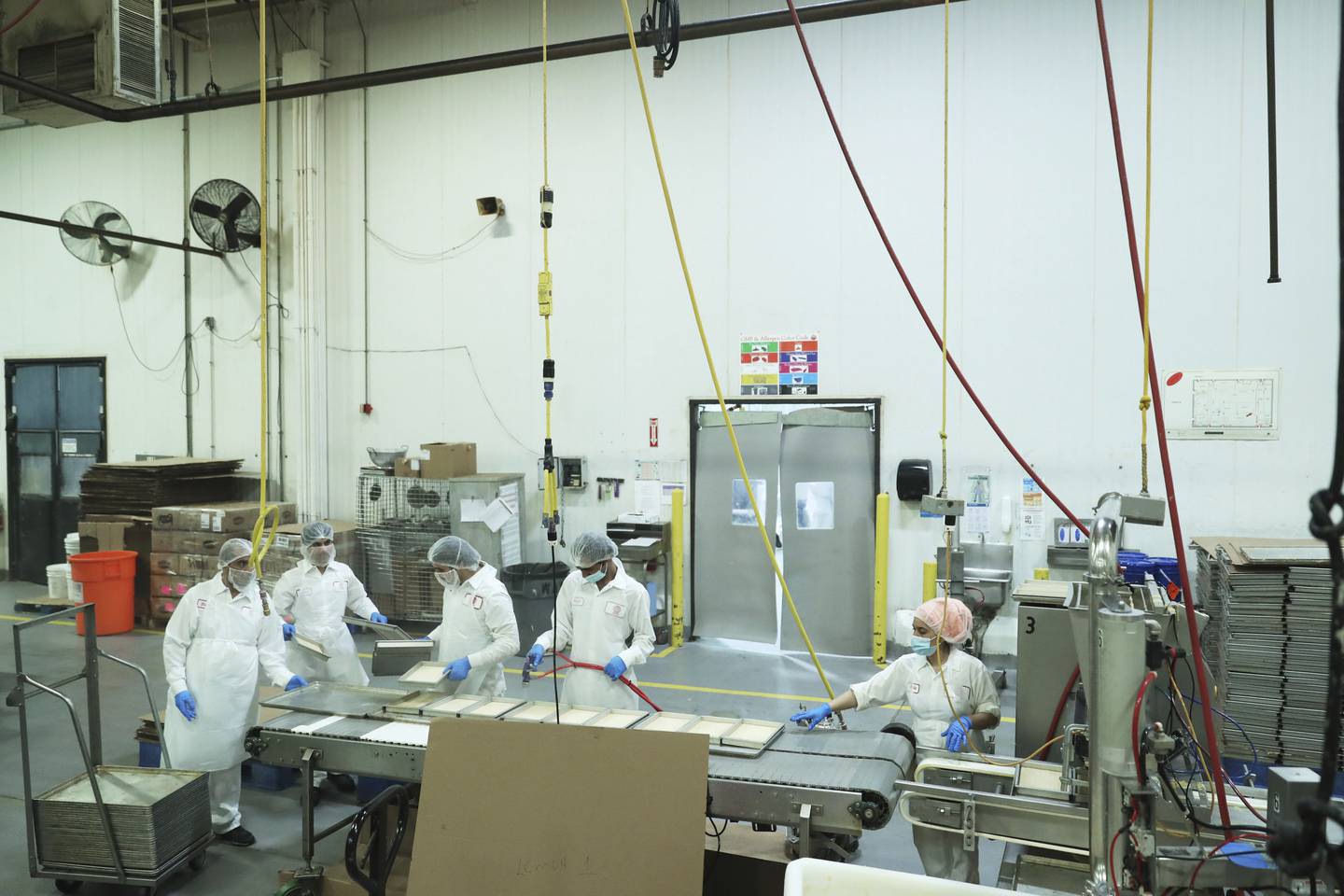
A year ago, former Afghan soldiers Rahimullah Zaland and Khan Madin Ashana fled their home country as the United States withdrew the last of its troops in dramatic airlifts in the final weeks of August. They spent months traveling separately through different countries, looking for a safe haven before landing in Chicago.
“When I came here to Chicago, I was not used to the environment because this place was really cold,” Zaland said. “I arrived here in the winter; it was really difficult for me to manage my life here in the beginning. I had to solve so many personal problems in the first two months.”
Advertisement
The soldiers turned refugees were among the tens of thousands of Afghan citizens who left the country as the United States evacuated more than 120,000 people, including Afghans, U.S. soldiers and American citizens, in its final days in the war-torn country. After 20 years, the final exit from Afghanistan ended America’s longest war but was deemed a failure by many as the Taliban regained control of the country.
“We were furious that the situation was getting worse in the country after we left,” Zaland said, with the help of an interpreter from resettlement agency RefugeeOne. “I’m always worried about our relatives there, however, I don’t know what will happen in the future.”
Advertisement
Within weeks of arriving, Zaland and Ashana were introduced to Eli’s Cheesecake Co. through RefugeeOne, a resettlement agency that assists refugees with finding employment, schools, language services, applying for Social Security cards and more. Both now work as production associates at Eli’s factory in the Dunning neighborhood.
Approximately 2,500 refugees from Afghanistan have settled in the Chicago area since last August, according to the Illinois Department of Human Services.
Eli’s has earned a reputation for employing refugees and cultivating their careers during its 30-year partnership with RefugeeOne, the largest resettlement agency in Chicago.
Elias Kasongo, Eli’s vice president of procurement, joined the company 28 years ago as a refugee from the Congo, beginning in the dish room before rising to a senior executive position.
Since the United States started accepting refugees from Afghanistan, Eli’s has hired more than 50 Afghan refugees. Currently, about 25% of its employees are refugees from around the world, according to President Marc Schulman.
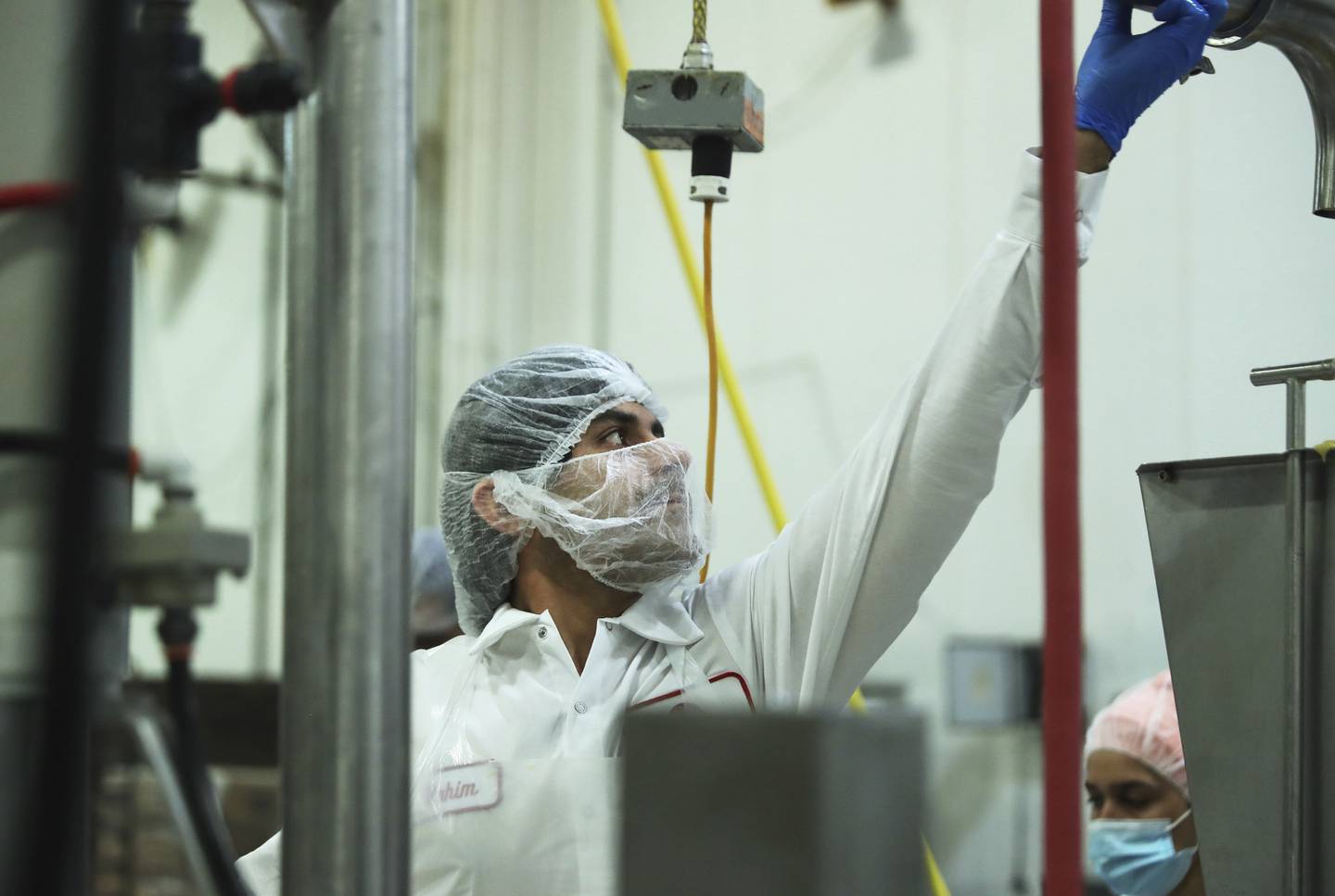
Zaland and Ashana left Afghanistan nine days apart on Aug. 15 and Aug. 24, respectively. Zaland’s journey to Chicago included stops in Abu Dhabi; Washington, D.C.; and Indiana; while Ashana traveled through Qatar; Germany; Washington, D.C.; and Wisconsin. The pair did not know each other in Afghanistan but now work side by side at Eli’s.
“In the beginning when we came here we had a hard time applying for jobs because we didn’t have any language capabilities, and that was our biggest problem,” Ashana said, with the help of an interpreter.
Eli’s provides practicing Muslims in the company with a prayer room attached to the factory to accommodate daily prayers and will soon be offering employees English classes as well.
Advertisement
Cultural and religious organizations in the Chicago area also offer a number of programs supporting migrants.
Atya Kazmi, family services coordinator for the Islamic Circle of North America, said refugees have reached out to ICNA for help when resettlement agencies can’t meet all of their needs. The organization works to provide migrants with everything from winter coats to kitchen utensils to children’s toys, as well as culturally appropriate items such as hijabs and long tunics.
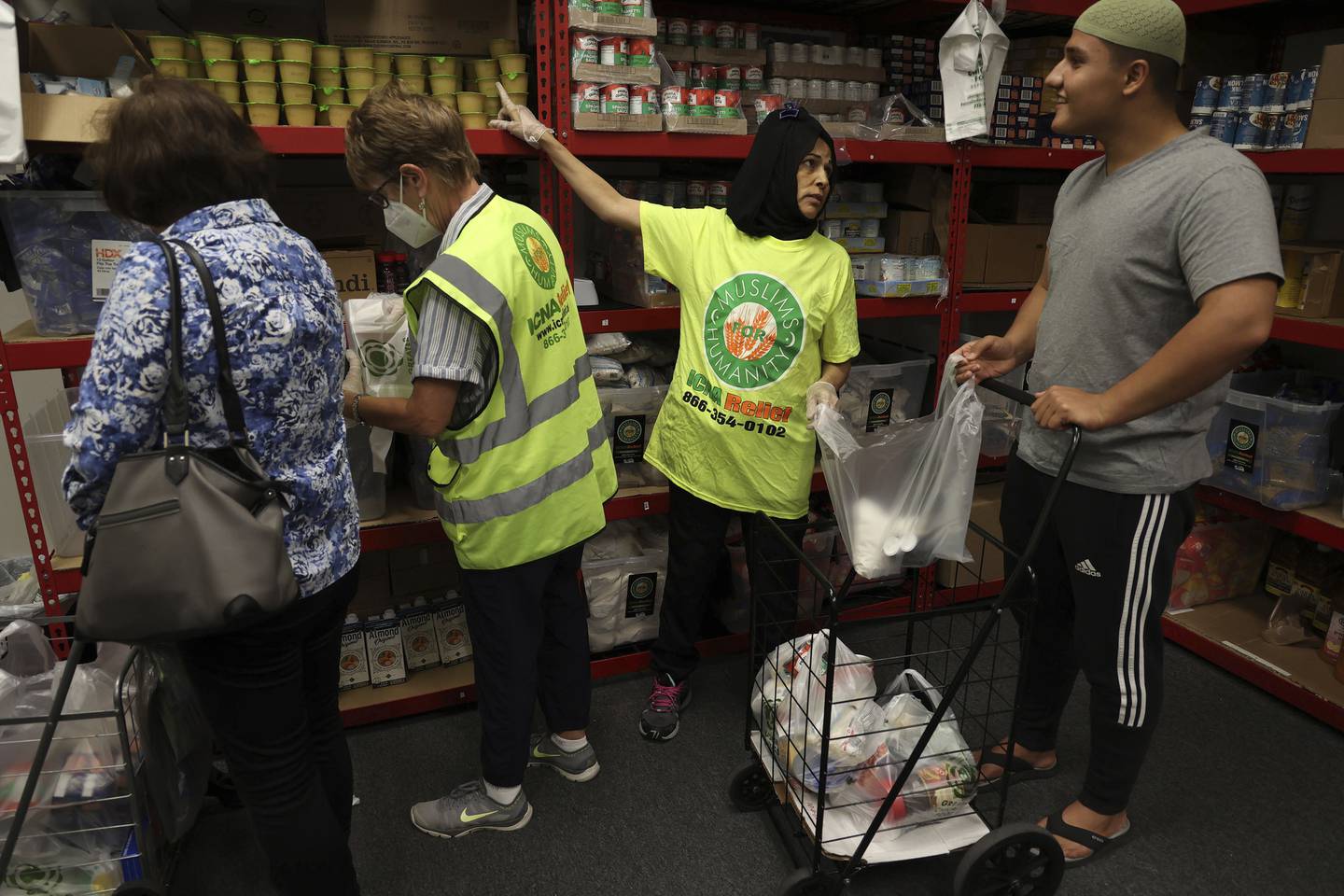
“That’s the challenge for us is to provide. So many people reach out to us because it seems they are getting very few things from their own agencies due to the large number of people who have come to Chicago,” she said.
ICNA accepts donations of new items through scheduled drop-offs. Currently, they are in particular need of strollers, car seats and new baby clothes.
Trinity Episcopal Church in Highland Park took in two refugees in July, one of whom eventually reconnected with family in Colorado, and recently received another, according to the Rev. Bryan Cones. Church members felt compelled to support incoming refugees for a number of reasons, he said.
“Partly due to our religious conviction, that is our job and obligation to welcome and provide hospitality to people that are migrating,” he said. “Among some of our members, we also feel a certain moral responsibility to Afghan migrants of our country’s involvement in Afghanistan and what many of us see is our failure in Afghanistan to secure the place or provide what we promised.”
Advertisement
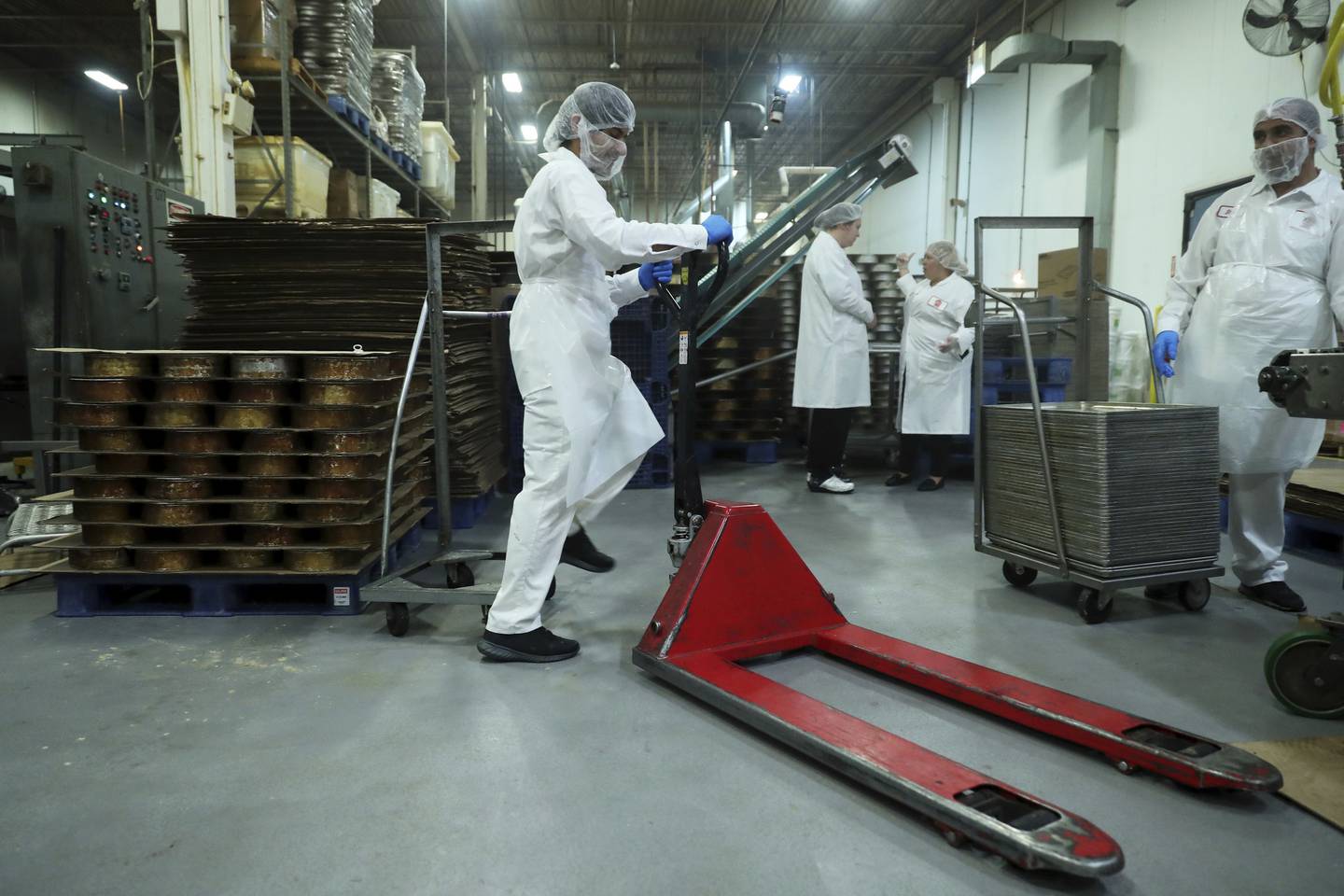
Like Zaland and Ashana, all three refugees the church has taken in have been young men in their late teens and 20s who left Afghanistan amid the evacuations without any family or friends.
In addition to helping refugees become self-sufficient, Cones said the church has sought to address possible feelings of isolation by including them in church events and parties, as well as helping them find and join local Muslim communities.
The church partnered with Sponsor Circle, an alternative resettlement agency that supports people taking on resettlement responsibilities in their communities. One month in, Cones said he realized just how little he and his fellow sponsors knew before undertaking the project.

Afternoon Briefing
Daily
Chicago Tribune editors’ top story picks, delivered to your inbox each afternoon.
“So our migrants are Shia Muslims … but there’s a smaller Shia community in Chicago, so it took several tries to find a mosque — you just can’t go to any mosque. Like churches, they’re diverse in the way that they pray and the cultural heritage they reflect, and so we’re taking some time to help them find a place that they feel more at home,” he said.

Zaland and Ashana, who both live in Rogers Park separately, have found a community in their neighbors and new friends. Ashana noted the large Muslim community in Chicago, and said many of his neighbors are also Muslims from countries such as India, Pakistan, Syria and Iraq.
A recent report from the Illinois Muslim Civic Coalition, Institute for Social Policy and Understanding, and the University of Illinois at Chicago’s Institute of Policy and Social Engagement found that there are now more Muslims per capita in Illinois than any other U.S. state, sparking optimism across Chicago’s Muslim community.
Advertisement
“It is true that I don’t have family, but I always think about them,” Zaland said. “However, I receive so much love from Americans and from all the people living close by to me that I almost forgot about my family at home.”
For the future, Zaland and Ashana both hope to build fulfilling lives in Chicago.
“I want to have an easy life,” Ashana said. “I want to buy a car. I want to solve my little issues. Everyone has a goal in front of them, I also have this kind of goal.”


