



By Williamena Kwapo | Sacramento Observer
In Sacramento, a new generation of dancers is making sure an old tradition stays alive.
Every Wednesday night, hundreds line up shoulder to shoulder in a crowded room, waiting for the beat to drop. Some arrive early to learn the steps. Others show up later, already knowing the routine. By the end of the night, nearly everyone is moving in sync; sliding, turning, clapping — line dancing.
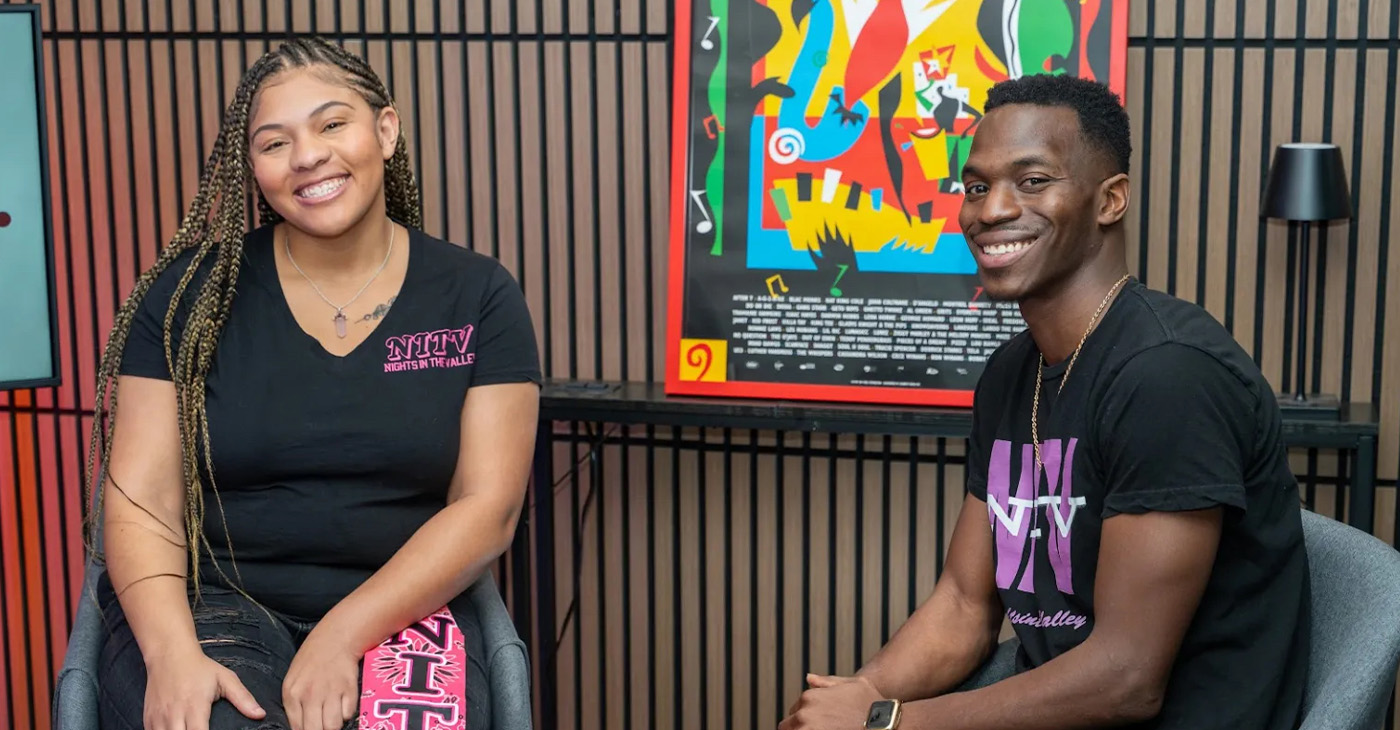
At the center of it all is Nights in the Valley, a Black-led line dancing group founded by Sumarah Lewis, 26, and Quincy Middleton, 33. Launched a little more than a year ago, the Sacramento-based group teaches line dancing every Wednesday night, creating a space where beginners and experienced dancers learn side by side.
“It is a visual form of pure unity,” Middleton says. “Everyone in the room is doing the same thing, going the same direction, to the same beat.”
The group began with roughly 15 people and has grown into weekly gatherings averaging more than 150, sometimes reaching 250. The dances taught each week include classics, newer routines circulating online, and original choreography created by Lewis and Middleton.
Lewis says the idea grew out of a longing for something she couldn’t find in Sacramento. After briefly living in Louisiana in her early 20s, she was introduced to line dancing in a way she had not experienced.
“I walked into a club and everybody was line dancing,” Lewis says. “Nobody was competing. Everyone was just moving together.”
When she returned home, Lewis sought that same sense of collective joy. While Sacramento had line dancing venues, she rarely saw Black dancers on the floor.
“We line dance all the time at cookouts, weddings, family functions,” she says. “But we didn’t have a space here that felt like it was really for us.”
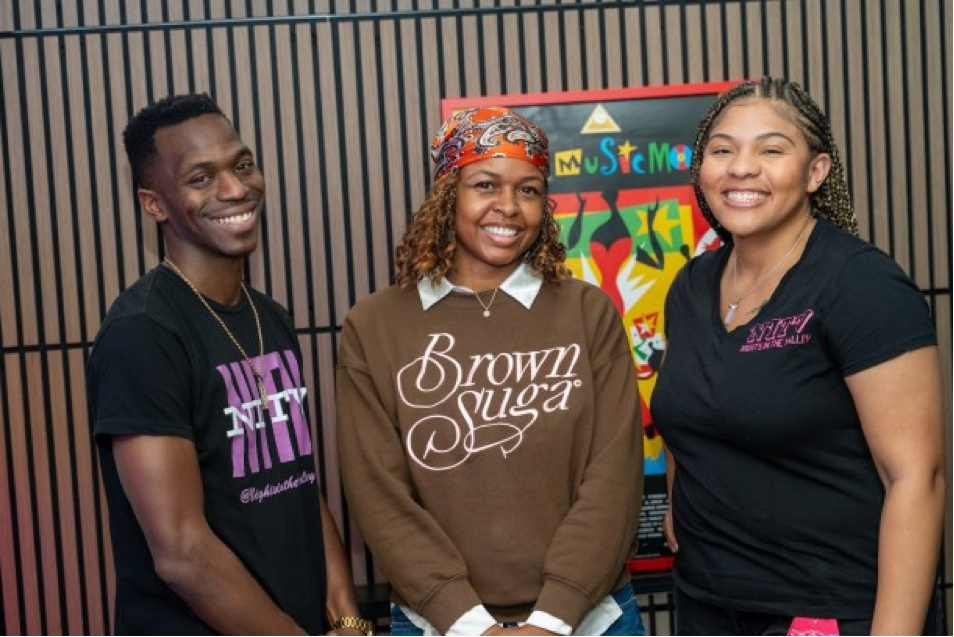
Nights in the Valley founders Quincy Middleton, left, and Sumarah Lewis flank Chelsea Kodama, a member of their line dancing performance team. Russell Stiger Jr., OBSERVER
Rather than wait for one to appear, Lewis decided to build it herself. She approached Middleton, a Sacramento DJ, with the idea of creating a Black-centered line dancing space grounded in Black music, movement, and community.
“We knew right away this was something people wanted,” Middleton says. “We just had to create the space.”
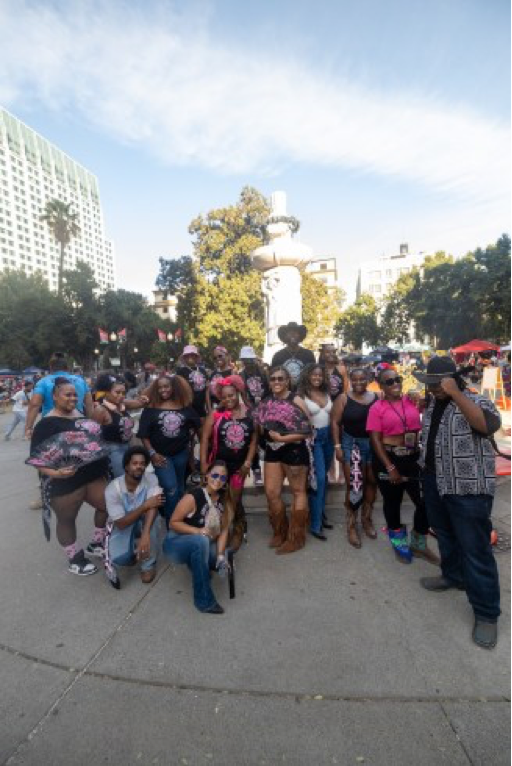
The Nights in the Valley performance team at Cesar Chavez Park in downtown Sacramento. Courtesy of Nights in the Valley
They were right because line dancing spans throughout Black history and has been a source of joy and necessary escape.
For centuries, African Americans have danced collectively as a form of connection, celebration, and survival. The roots of Black line dancing can be traced to West African communal dances and the ring shout, a distinct ritualistic dance where enslaved Africans moved together in rhythm as a way to preserve culture. Those traditions evolved over time, appearing at juke joints, church halls, and family gatherings, eventually shaping the dances seen today.
From the Electric Slide to the Cupid Shuffle, line dances became shared choreography learned by watching elders, joining the line, and following the beat. The practice emphasized unity over performance, which allowed everyone to participate regardless of age or skill level.
Lewis and Middleton carry that understanding, embodying the history of line dancing in every lesson taught.
“I teach for the people who don’t know how to dance,” Lewis says. “And once they get it, you see their confidence change.”
She teaches without counts, instead focusing on direction and rhythm, making it easier for first-time dancers to follow along. Her approach reflects the organization’s unofficial motto: “no dancers left behind.” She believes such accessibility keeps people coming back and contributes to their growth.
That sense of collective accomplishment has turned Wednesday nights into more than a dance class. For many attendees, Nights in the Valley has become a consistent space for releasing emotions, unwinding, meeting people, and feeling part of a community.
“Once you’re around people who are willing to break it down and teach it to you, it takes away the hesitation of learning,” says Chelsea Kodama, an early member and now a performer with the group’s performance team. “I think it’s the environment that brings people together.”
As the organization grew, a core group of dancers began returning week after week. That group eventually formed a performance team of about 15 people that now represents Nights in the Valley at festivals, weddings, corporate events, and community celebrations across Northern California.
Looking ahead, Lewis and Middleton hope to bring line dancing into schools and create more all-ages events, introducing younger generations to the tradition early. They also envision a permanent home at a venue built specifically for Black line dancing and community gathering. Until then, they’ll keep opening the doors every Wednesday night, carrying forward a tradition rooted in collective movement and shared joy.
“This is healthy,” Lewis says. “It’s therapy for the mind, body, and spirit.”