




New York Carib News
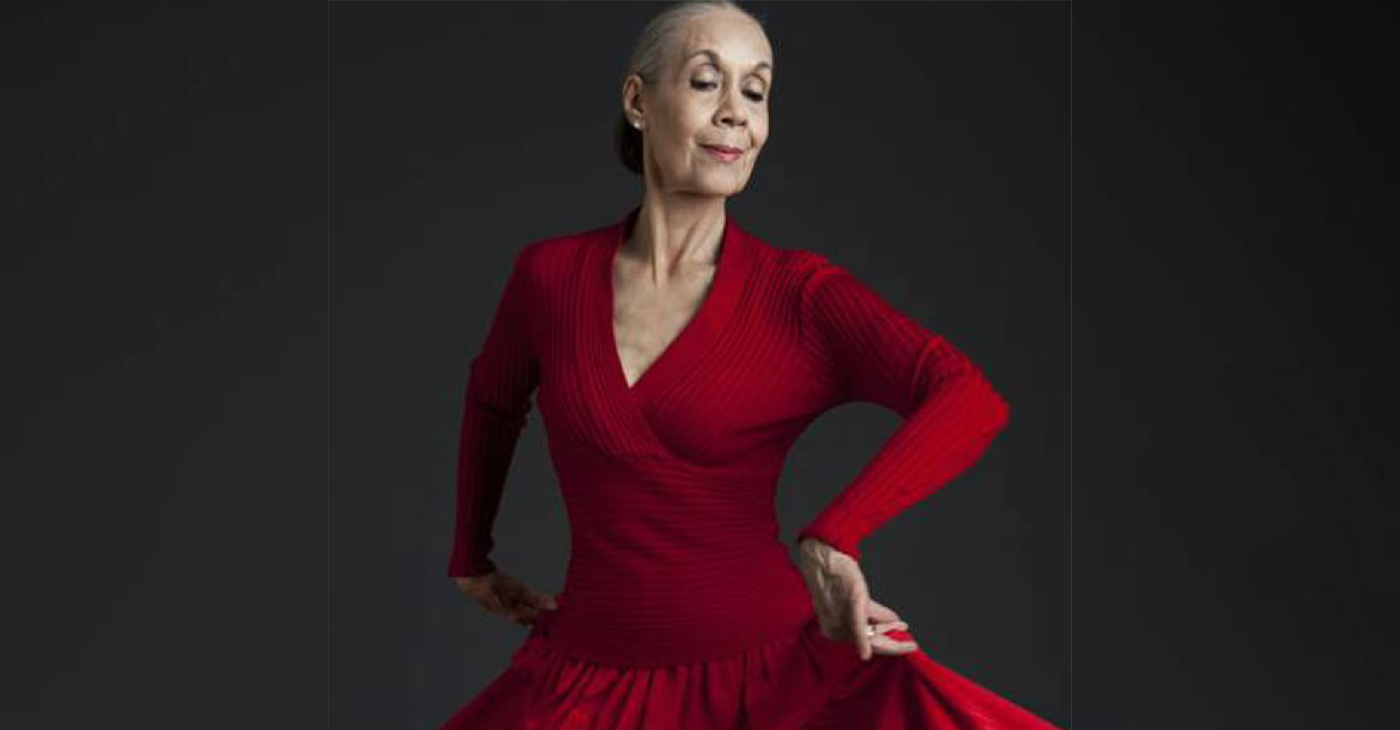
Carmen de Lavallade, the celebrated modern dancer, choreographer, and actress whose artistry helped shape generations of performers, died on Monday, December 29, at the age of 94. Her death was announced by the Alvin Ailey American Dance Theater, where she served for many years as a principal guest performer and creative force.
In a statement shared on social media, the company paid tribute to her lasting influence on dance and culture. The organization honored her extraordinary life, boundless artistry, and the many generations she shaped through her work, wisdom, and commanding presence.
De Lavallade’s career spanned more than seven decades and crossed the worlds of modern dance, ballet, theater, film, and television. She began her professional journey in Los Angeles with the racially integrated Lester Horton Dance Theater, where she developed a powerful and expressive style that would later captivate audiences around the world. It was during this period that she formed a close artistic bond with fellow dancer Alvin Ailey, who would become one of her most important collaborators.
She later relocated to New York City alongside Ailey, quickly establishing herself as a magnetic performer known for her emotional depth and commanding stage presence. Her work extended far beyond the concert stage, encompassing choreography, acting, and nightclub performance, and she appeared across a wide range of artistic platforms throughout her career.
De Lavallade often credited her inspiration to her cousin Janet Collins, one of the first African American ballerinas to break racial barriers in classical dance. Collins went on to become the first Black principal dancer at the Metropolitan Opera, paving the way for de Lavallade’s own historic achievements. Between 1955 and 1958, de Lavallade performed as a prima ballerina in productions including Aida and Samson and Delilah at the Met.
Her Broadway debut came in 1954 when she appeared alongside Ailey in the musical House of Flowers, written by Truman Capote with music by Harold Arlen. During that production, she met her husband and frequent creative partner, actor and choreographer Geoffrey Holder. Their collaboration would become one of the most admired artistic partnerships of their era.
Her talent soon attracted the attention of major figures in Black entertainment, including actress and singer Lena Horne, who helped de Lavallade secure film opportunities. She went on to appear in dance sequences in notable films such as Demetrius and the Gladiators and the all Black musical Carmen Jones.
One of the most defining moments of her career came in 1960 when Alvin Ailey placed her at the center of his seminal work Revelations. The piece, which remains a cornerstone of modern dance, explores Black resilience and spiritual endurance from the era of slavery into the twentieth century. De Lavallade often described her purpose simply, saying that her role was to give joy.
Dance critic P W Manchester once praised her portrayal of Salome as a remarkable and compelling performance marked by passion, playfulness, and striking physical beauty that commanded attention from the moment she entered the stage.
Throughout her life, de Lavallade remained deeply committed to education and mentorship. She performed as a guest artist with the American Ballet Theatre and served as a choreographer and performer in residence at the Yale School of Drama. Her contributions were recognized with numerous honors, including an honorary Doctor of Fine Arts degree from Juilliard in 2008, the Dance USA Award in 2010, and a Kennedy Center Honor in 2017. In 2018, she was also honored with a Legacy Award by BLACK ENTERPRISE at its Women of Power Summit.
Carmen de Lavallade is survived by her son, Leo Holder. Her legacy endures through her groundbreaking performances, her influence on generations of artists, and her enduring belief in the transformative power of dance.