

By Tashi McQueen
AFRO Staff Writer
tmcqueen@afro.com
For many military veterans, what they endure while serving their country is just half of the battle. The toll of post-traumatic stress disorder (PTSD) can appear in every part of life, including strained relationships, halted careers and a fading sense of identity.
For Black veterans, the impact can be even greater and more difficult to get help for due to cultural stigma, racial disparities in care and a shortage of personalized mental health support.
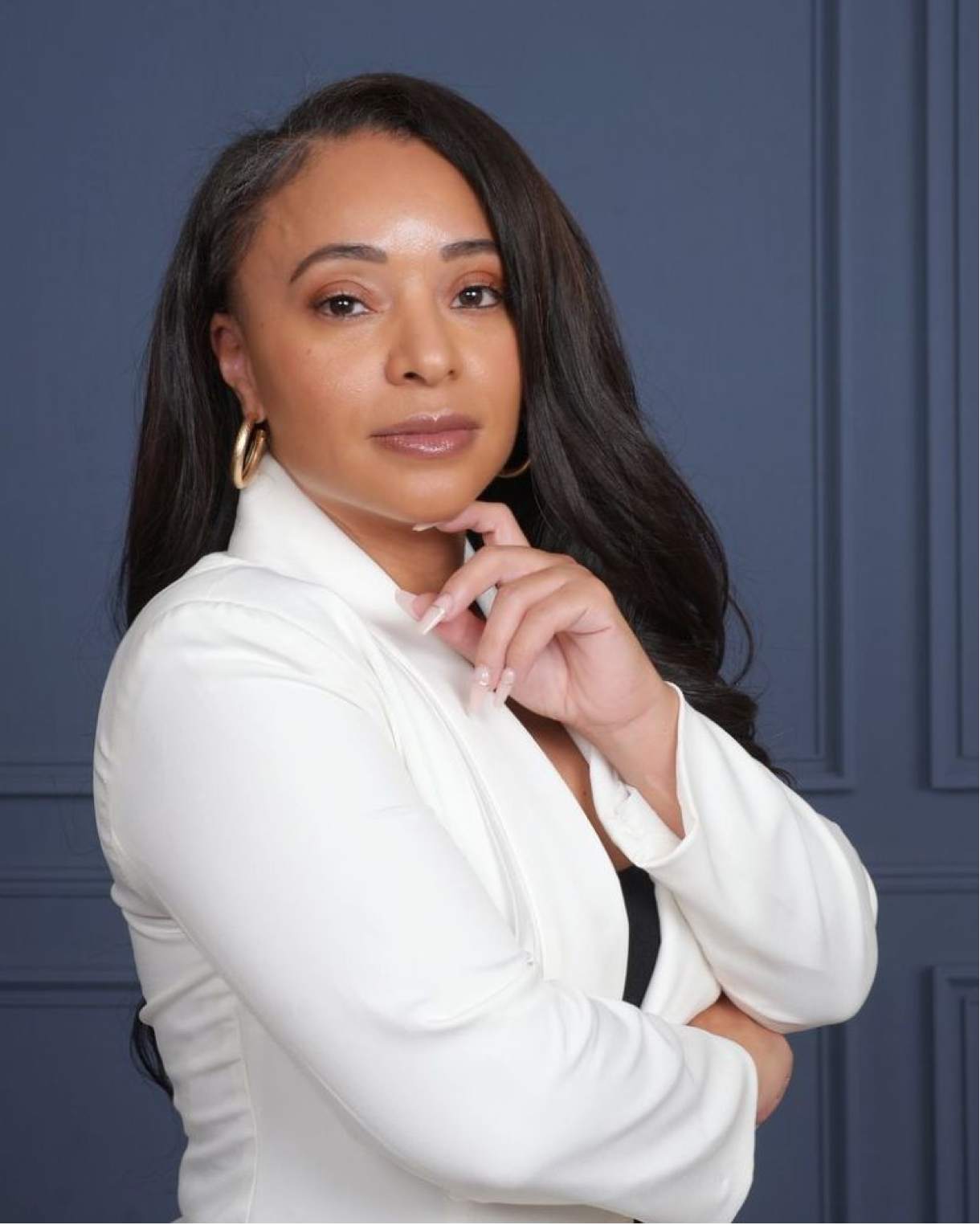
Dr. Diandra Poe is a dedicated mental health professional and veteran advocate committed to breaking stigma and improving access to care. Photo Credit: Courtesy photo
“From a clinical standpoint, one of the biggest hurdles for military personnel dealing with PTSD is the pervasive stigma around mental health,” said Dr. Diandra Poe, a mental health professional and veteran advocate. “Even today, mental health challenges are often seen as a sign of weakness in a culture that prioritizes constant performance and endurance. For many service members, the idea of seeking help is intertwined with fear that it could impact their careers or label them as incapable.”
Untreated mental health conditions such as PTSD can create a serious ripple effect on military individuals and their families.
“Unaddressed PTSD can spill over into home life—affecting relationships, the ability to keep a job and ultimately the family’s stability,” Poe said. “It becomes a cycle of trying to push through alone until it’s no longer possible.”
A national health study by the U.S. Department of Veterans Affairs (VA) found that about 22 percent of Black veterans who were deployed had PTSD, compared to 14.1 percent of White veterans. Around 16 percent of Black veterans who were not deployed had PTSD, compared to 9.2 percent of their White counterparts.
“For Black service members, the military might have been a path out of challenging environments, and facing PTSD can feel like they’ve traded one set of struggles for another,” said Poe. “While they might technically have access to care through the VA or military services, actually utilizing that care can be a unique challenge due to cultural stigma and a lack of culturally competent support.”
James Harris, a U.S. Army veteran and community advocate, saw and lived these disparities, inspiring him to establish Men to Heal to help fill the gap.
“I emancipated myself at 16. Fast forward, I joined the Army for eight years, two deployments, one Iraq, one Afghanistan,” said Harris. “Going to therapy…there was a disconnect.”
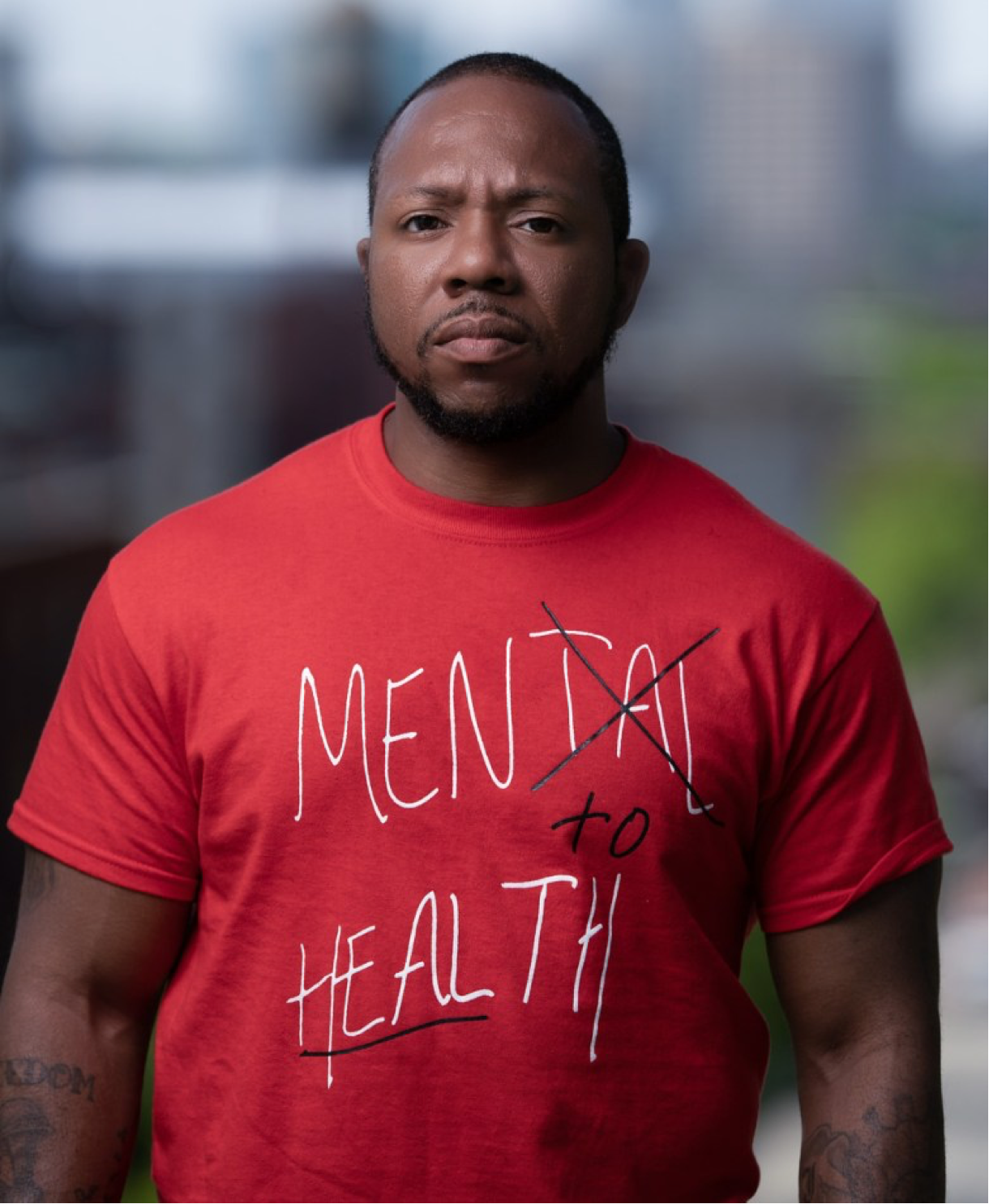
James Harris is a U.S. Army veteran and founder of Men to Heal, a movement devoted to helping others overcome trauma through culturally informed mental health care and community support. Photo Credit: Courtesy photo
Harris said from his time in therapy as a child and a veteran, he did not feel like the therapists adequately understand what he went through and therefore could not truly help him.
“Since I had those experiences—in addition to the book knowledge, in addition to the case studies, in addition to the license—I thought I could provide greater assistance to veterans, as well as people who look like me, and who have traveled this road,” said Harris.
Through Men to Heal, a movement he started to offer counseling for veterans, youth, families, and couples, Harris does the work of giving back. Through the movement, Harris operates a wellness center in Richmond, Va., providing financial resources, outpatient therapy, and yoga.
Harris said veterans often come home feeling isolated and unable to be understood by the people in their lives.
“You feel like you’re the only person that’s been through it or don’t have anybody who can relate to your experience besides the people that you deployed with,” Harris said.
To better support veterans upon their return home, especially those diagnosed with PTSD, Harris said families and communities can best help by making sure to include them in various activities.
“Avoidance or isolation is no good, so we want to try to involve them as much as possible,” said Harris. “The family should also understand that veterans are oftentimes on alert or have heightened senses. They’re looking for threats; they want to position themselves so that they can see exits and take care of situations.”
Harris emphasized that having patience is key. Veterans can also benefit from widespread access to culturally informed care and a dismantling of stigmas both in the military and the community around mental health.
Veterans do have options for receiving care.
“If you would feel more comfortable with a provider of the same race, religion, or cultural background, share your preference with VA. When you start seeing a new provider, ask about their experience treating Veterans of color or Veterans with similar religious or cultural backgrounds,” say VA officials, in resources that speak directly to veterans on race, culture, and PTSD.
“Don’t hesitate to bring up issues related to race with your provider. Remember, your conversations with your provider are confidential. If it turns out your provider doesn’t have the experience to meet your needs, or you don’t feel it’s a supportive match, you can ask to switch to someone else.”