


Author: staff

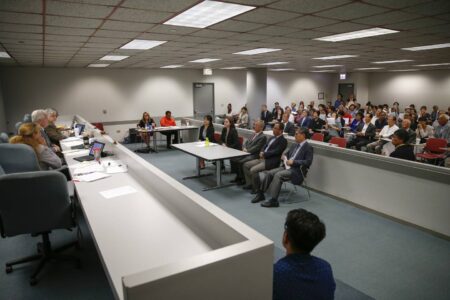
When a group of Democratic state senators joined Republicans in rejecting two of Gov. J.B. Pritzker’s nominees to the Illinois Prisoner Review Board last month, it became clear that crime has become such a big issue in this year’s elections it is even driving some divisions within the governor’s own political party.How a little-known state board became a flashpoint for controversy also demonstrates how much has changed about politics and crime in just a few short years. When Republican Gov. Bruce Rauner took office in 2015 he pledged to work to reduce the state’s prison population by 25% over 10 years, a move at the time applauded by Chicago Democrats.AdvertisementFast forward through Rauner’s administration and most of Pritzker’s and the situation is radically different. Gun violence in Chicago has spiked along with other major U.S. cities since the start of the COVID-19 pandemic prompting Republicans to call for a more law-and-order approach while opponents point to systemic problems in the criminal justice system as a reason for it to be reformed.And for panels such as the Prisoner Review Board, those who have served on it say, that means often nuanced decision-making about releasing men and women from prison is relegated to little more than political talking points.Advertisement“Board members spend a lot of time studying these cases, reflecting on them to discussing them, having extensive interviews with both the offender and anyone else who wants to comment on the case,” said Craig Findley, a former Republican state lawmaker who was chairman of the review board until his retirement earlier this year. “These are not casual decisions the board makes.”The interim board members rejected by the Illinois Senate last month were Jeffrey Mears and Eleanor Kaye Wilson. A third Pritzker appointee, Oreal James, resigned just hours before the Senate was expected to vote on his appointment.Craig Findley, chairman of the Illinois Prisoner Review Board, far left, speaks regarding the Andrew Suh executive clemency hearing as supporters for Suh, middle seated, look on during a hearingat the Thompson Center in 2017. (Jose M. Osorio / Chicago Tribune)Much of the senators’ professed ire concerned board votes paroling now-elderly men and women who were convicted of high-profile killings.Shortly after the Senate rejected Wilson’s appointment — with 17 Republicans and 14 Democrats voting against her — she told the Tribune she voted to release prisoners who had been incarcerated for decades and were no longer a threat to anyone either due to their old age or poor health.“It is clear that these senators have a general distaste for the work of the PRB if the Prisoner Review Board does not follow their dictates and beliefs,” Wilson wrote in a letter to Pritzker obtained by the Tribune, noting some Republican senators tried to “vilify my tenure.”“(Decisions) are made based on the inmate’s record of behavior in prison, conditions to be followed upon release, housing and job possibility,” added Wilson, who is also the godmother of former President Barack Obama’s children. “These along with the redemptive and rehabilitative nature of the inmates serve as the principle guide for parole. Given these criteria, it is impossible for any one PRB member to make a sole decision about parole.”But Republicans said Pritzker’s appointees have voted to let some men and women out of prison far too often, and that such votes send a bad message about criminal justice. The Senate GOP produced statistics showing that since Wilson and James were appointed as interim members in April 2019, the two voted more than 40% of the time to grant parole for a specific category of older prisoners — a rate the GOP contended was too high.“Gov. Pritzker has been completely negligent on the Prisoner Review Board from day one. And he’s putting Illinois families in danger in two ways,” Republican state Sen. Jason Plummer of Edwardsville told the Tribune the day after Mears was rejected by the Senate. “One, by putting, in some cases, very extreme people on the Prisoner Review Board and on the second case, by not following his job and making sure that the board is fully functional.”AdvertisementMuch of the debate has centered on older individuals who have been incarcerated in state prisons but are eligible for parole through so-called en banc hearings, which are specific hearings for aging prisoners who were given indeterminate sentences decades ago for serious crimes, such as first-degree murder.Most were incarcerated before 1978, the year Illinois limited parole in favor of an early-release system that makes men and women in state prisons eligible to be freed for certain crimes if they served at least 50% of their sentences. Those who go through the en banc proceedings are governed by the old law, and they’re tracked by the Illinois Department of Corrections through so-called C numbers.A Tribune review of C-numbered cases shows a steady uptick in the percentage of prisoners who have been paroled by the board, even before the COVID-19 pandemic hit and prisons across the nation tried to release low-risk inmates.In Pritzker’s first year as governor in 2019, the board, which included Rauner appointees, heard 51 cases and granted parole 15 times, a 29% rate, according to the board’s annual report that year. That’s a trend seen in minutes from en banc hearings in more recent years as well. The board that served while Rauner was governor from 2015 through 2018 heard 211 C-numbered cases and granted parole on 23 occasions, or 10.9% of the time, according to Prisoner Review Board annual reports.Before Rauner, when Democrats Pat Quinn and Rod Blagojevich were in office, the rates were lower. From 2004 to 2008, under Blagojevich, the board heard 925 C-numbered cases and granted parole just 7.2% of the time. From 2009 through 2014 under Quinn, the board granted parole for C-numbered prisoners only 3.7% of the time out of 613 cases, the review board’s annual reports show.Findley, the Republican former review board chairman, said he thinks the advanced age of those appearing before the board, coupled by the low recidivism rate for older people in the prison system, might explain why board members more recently have granted parole at a higher rate. Findley also said he thinks the quality of pro bono legal representation for parole candidates has improved over the years.Advertisement“Quality representation. Excellent parole plans. Those all contribute to confidence that parole is likely to be more successful,” Findley said. “And over the years as new board members take a fresh look at these old cases, they may discover things that we’ve missed.”Today, there are fewer than 100 men and women in prison eligible for en banc hearings, records show.Jennifer Soble, executive director of the Illinois Prison Project, said many are senior citizens who have medical needs that could be more costly to taxpayers if they’re continuously incarcerated.“So, a person who is eligible for parole has spent 44 years in prison. That means that they’ve had 44 years of inadequate medical care, of poor diet, of poor exercise, of basically no preventive care whatsoever. Their bodies are going to be significantly older than you think they are,” said Soble, who has represented individuals at these hearings. “And we can see this in our clients. They look older. They’re often in extraordinarily poor health. They’re wheelchair bound. A bunch of them are on dialysis.”Last year, two C-numbered men in state prison were Johnny Veal and Joseph Hurst. The decisions by the board to parole both men were cited by state senators as reasons why Wilson was rejected and why James likely would’ve been rejected in a Senate vote had he not resigned.Veal was convicted along with another man in the high-profile 1970 slayings of Chicago police Officers Anthony Rizzato and Sgt. James Severin, and sentenced to 100 to 199 years in prison. Hurst was convicted in the 1967 killing of Chicago police Officer Herman Stallworth and sentenced to 100 to 300 years behind bars.AdvertisementIn February 2021, James and Wilson each voted in 8-4 decisions to grant parole for Veal and Hurst. Among the eight board members who voted to parole Veal four were originally appointed by Rauner, and three of those same members also voted to parole Hurst, records show.James said in an interview with the Tribune that while the slayings were shocking, he learned that a few years earlier Veal was badly hurt while trying to protect a prison staffer during a confrontation and that Veal had a solid parole plan to find work, a place to live and had “a lot of family support.”According to review board records, Veal received a GED while in prison and was nine credits short of a bachelor’s degree. He became a certified law clerk and obtained numerous certificates in technology and electronics.“Is that 68-year-old man the same person he was at 18? No, he’s not,” James said of Veal, who turns 70 later this year. “The crime is the crime. Some people during the hearing, both for and against, wanted to retry the crime. That’s not our job. … This guy’s doing more at 70 than most 70-year-olds are as far as having an impact in the community.”James said voting to parole Veal wasn’t an easy decision because while Veal has denied playing a role in the deaths of Severin and Rizzato a jury found him guilty of killing the two officers as they walked across a field in the Cabrini-Green public housing complex “in probably the most cowardly way you can.”But “there is not a law in the book that says, ‘if you kill a police officer then you should never have parole,’ “ James said. “If there is, then that makes it a lot easier.”AdvertisementAs for Hurst, James said, it was Hurst’s poor health that played a major role in his decision to vote for parole. Hurst has admitted to killing Stallworth and while in prison received numerous disciplinary infractions during his roughly 50 years in prison, though not for violent acts.Hurst was 77 at the time of his hearing and was being held in the medical unit of Dixon Correctional Center. Review Board records show Hurst suffered a stroke in 2008, which caused partial paralysis on his right side.“When you look at it, he was probably much more of a liability staying in. He was probably much more of an issue for folks on the inside than he would ever be on the outside,” James said.For Mears, some senators questioned his votes to grant parole for two prisoners, Paula Sims and Zelma King.King, who was serving a 100-to-300-year sentence for a 1967 triple murder, had been up for parole in the past but never received any votes until being granted for parole last year at age 79. Review Board records show King received about 250 disciplinary infractions in prison, including for sexual misconduct, theft and drug-related activity.But leading up to his 2021 parole hearing, it had been a few years since he was accused of any serious wrongdoing. Others in custody indicated in letters to the board that King had mentored them and encouraged them to take classes and not violate rules, records show. King also worked as a machinist, and had parole plans to live with his brother, a retired attorney and associate vice president at Western Illinois University in Macomb, records show.AdvertisementMears and Wilson were two of the eight members of the board who voted to parole King.Sims, meanwhile, was convicted in 1990 of first-degree murder in the killing of her 6-week-old daughter. Evidence was introduced during trial showing Sims was also responsible for the 1986 death of her 12-day-old daughter.In 2021, Pritzker commuted Sims’ life sentence to a parole-eligible sentence. She and her lawyer had sought to convince the review board that she suffered from postpartum psychosis at the time of the crimes, a condition that includes hallucinations, mood swings and other mental defects. At her en banc hearing last year, two psychologists testified about the ailment in support of her parole. Sims also helped push for legislation addressing postpartum psychosis and postpartum depression before it was signed into law by Rauner in 2018, recognizing the illnesses as mitigating factors in sentencing for crimes.Her lawyer argued to the review board how “there is so much more known now” about these types of ailments than when Sims was on trial. At 62, she was released by the board in a 12-1 decision. James also voted to parole Sims, though Wilson did not attend Sims’ parole hearing.Mears’ rejection by the Senate caught some by surprise. For one thing, in the Sims case, only one board member voted against her parole. Secondly, Republican Ken Tupy, was confirmed by the Senate at the end of the legislative session even though he too voted to grant parole for Sims.Moments before Mears fell short of the 30 Senate votes needed to be approved for a permanent spot on the board, Republican state Sen. Terri Bryant of Murphysboro raised concerns about his parole votes for Sims and King.Advertisement“If you vote yes to confirm this individual, you are voting yes to confirm an individual who released a double murderer of her own children and a triple murderer that included a woman who was murdered,” Bryant during the Senate debate.While Mears declined to comment to the Tribune about the Senate’s decision other than to say “my voting record speaks for itself,” James said he was not bitter about feeling the need to resign but felt the decisions the board made were more nuanced than what politicians made them out to be.“I don’t fault any elected official for coming at it from an angle that they feel represents who they have to answer to,” James, who has worked for Illinois Attorney General Kwame Raoul when he was a state senator and in the restorative justice field, said earlier this month. “The difference is they have to answer to a voice that is maybe this today or that tomorrow, and what we on the board have to try to fulfill…on a continuing and consistent basis is what the law tells us to do.”jgorner@chicagotribune.com

Dear Amy: My husband and I watch our grandsons (ages 3 and 5) twice a week.We do this so our daughter can save on daycare expenses.AdvertisementWe bring the kids two snacks each time we are with them.I choose a snack that is always healthy, like fruit, and my husband’s choice is not healthy — usually cookies.AdvertisementMy daughter complains to me about her father’s choices.I have told her to talk to him. She does, and he ignores her.He tells me that it makes him happy to give the kids something they view as a treat.Since it is only twice a week, he doesn’t think it is a big deal. He says that if it is a big deal, our daughter can send the kids to daycare every day.I see both points of view and think this issue has been blown out of proportion.I am tired of being in the middle of this.Any ideas on how to resolve this?– SnackedAdvertisementDear Snacked: If your husband didn’t ply the kids with cookies, any healthy snack delivered by Grandpa would be considered “a treat.” Kids are like that. They can happily eat broccoli trees dipped in yogurt — until Mr. Oreo comes to town.I won’t waste your time suggesting healthy alternatives to cookies, because your husband has basically decided that his pleasure and esteem is so cheap that it can be obtained through being a sweets dispenser to toddlers. That’s lazy, but unless they have health issues, a few cookies won’t harm these children.Your husband also doesn’t respect his own daughter’s wishes. That’s a pretty obvious power move, possibly because he wants to see himself as a loving and indulgent grandpa, versus providing daycare on a schedule.You should hope that he doesn’t take this disrespect further, toward choices that are less benign. After all, when he was a kid every child ate cookies for a snack, and no one rode in a car seat.However, he is right in this regard. If your daughter does not like being disrespected in this way, she has options.You say you are in the middle of this, but that’s a choice, too. If your daughter complains about this, tell her to “take this up with your father.”AdvertisementDear Amy: My partner and I are in our mid-70s and live in a small home.For 10 years we have had a wonderful housecleaner spend three hours every two weeks cleaning our home (dusting, mopping, vacuuming). She does a great job.This Tuesday, she broke our microwave turntable and said she would replace it. I called her the next day to ask if she knew when she would be able to get it for us. She said didn’t know when and apologized.I told her I had found a replacement online and the soonest delivery was Friday.She told me that we should subtract the amount from her next check for her cleaning services. The total is over half of what we pay her.My partner is completely OK with this. I’m not sure. I feel like everyone breaks things or makes mistakes occasionally and we can absorb the cost easily.AdvertisementI don’t want to lose our housecleaner. She works very hard.What do you think?– JDear J: If in a decade of being in your home, moving things, dusting things, and working/cleaning your appliances your cleaner has only broken one thing – I’d say she has been exceedingly careful. If a guest or family member accidentally broke this microwave turntable, would you expect them to pay for it? (It sounds as if your husband would.)Most of us accidentally break a few things a year, and these minor issues should be taken for what they are – accidents.The kind thing to do is to accept this as an accident, replace the item yourself, and tell your faithful cleaner that you appreciate her apology, but “these things happen,” and that you consider the matter closed.AdvertisementAsk AmyDailyNo-nonsense advice for better living delivered to your inbox every morning. For a limited time, sign up for the Ask Amy newsletter and get the book “Ask Amy: Essential Wisdom from America’s Favorite Advice Columnist” for $5.Dear Amy: Thank you for your compassionate response to “Feeling Helpless,” the grandparents who are balking at sharing the expense of in-patient residential mental health treatment for their grandson.Any reputable program should have a robust support system for affected families; they should also be able to make excellent recommendations about next steps, both during and after treatment.– Been ThereDear Been There: I’m genuinely sorry you have “been there,” and I hope the treatment your family member received worked for all of you.Got a question for Amy? Enter it here and we’ll send it to her.Sign up here to receive the Ask Amy newsletter to get advice e-mailed to your inbox every morning, and for a limited time — get the book “Ask Amy: Essential Wisdom from America’s Favorite Advice Columnist” for $5.Advertisement©2021 Amy Dickinson.

Aldermen are pushing back against the three proposed finalists for a Chicago casino, as the city nears a final selection amid growing concern from residents about locating a casino in their backyards.The Special Committee on the Chicago Casino, which was created last month to help winnow the casino proposals from three to one, fielded questions at a virtual meeting Monday about everything from timing and process to whether two discarded proposals involving McCormick Place could be resurrected.AdvertisementThe city, which is banking on a casino to generate $200 million in annual tax revenue to plug its public pension funding holes, plans to submit its choice to the Illinois Gaming Board for approval in time to include upfront payments from the winning bidder in the 2023 fiscal budget this fall, said Ald. Tom Tunney, 44th, chairman of the committee.“We would like to be able to, hopefully, within the next month, get narrowed down to one and then obviously go through this process with the nominee,” Tunney said.AdvertisementIn March, Chicago Mayor Lori Lightfoot narrowed the city’s five proposals to three finalists: Bally’s at the Chicago Tribune Publishing Center in River West, Rivers at The 78 in the South Loop and Hard Rock at the proposed One Central development on the Near South Side.Reaction from residents at community engagement meetings held earlier this month was overwhelmingly negative, and aldermen representing nearby neighborhoods echoed concerns Monday about crime, traffic, safety, noise and the use of the Chicago River in two of the three proposals.Ald. Brendan Reilly, 42nd, objects to the Bally’s Tribune proposal adjacent to his ward, which includes River North. He cited an April survey by the River North Residents Association that found 86% of nearly 2,000 respondents were opposed to the casino.“Perhaps if the city had engaged with the aldermen on potential sites and helped gear that conversation and guide it with the potential developers and operators, that might have produced less acrimony and more upfront consensus on how best to locate this casino,” Reilly said during Monday afternoon’s three-hour committee meeting.Ald. Pat Dowell, 3rd, said “there is very little support” for the proposed Hard Rock casino among residents in her ward, while newly seated Ald. Nicole Lee, 11th, cited concerns about everything from crime to gambling addiction voiced by residents of Chinatown, which is adjacent to the proposed Rivers 78 casino.Bob Reiter, president of the Chicago Federation of Labor, was one of several members of the public who spoke at the meeting, urging labor peace agreements — which protect unionization efforts — be a prerequisite for approving Chicago’s casino proposal.Chicago CFO Jennie Bennett said the city asked the bidders to enter into such an agreement, but did not have an update on the status of negotiations.“We have every intention of entering into a labor peace agreement for the Chicago casino,” Tim Drehkoff, CEO, Rush Street Gaming, said in a statement Monday. “As Chicagoans ourselves, we know this is a union town and this will be a union casino.”AdvertisementA Rush Street spokesman declined further comment on the meeting, and efforts to reach Hard Rock and Bally’s Monday evening were unsuccessful.But Bally’s was the focal point Monday, in part because of accusations of preferential treatment. Rhode Island-based Bally’s, which owns and manages 14 casinos across 10 states, is hoping to make its proposed $1.74 billion casino, hotel and entertainment complex at the Freedom Center printing plant the flagship of its chain.One topic of discussion was the $300,000 fee that each applicant was required to submit to the city with its proposal. Last week, it was revealed that Bally’s, which submitted proposals for the rejected McCormick Place Truck Marshaling Yards site as well as the Tribune site, paid one fee, while Chicago-based Rush Street Gaming paid $300,000 each for its Rivers 78 and Rivers McCormick sites, the latter of which failed to make the cut.Ald. Brian Hopkins, 2nd, questioned why Bally’s was “given a waiver” for the fee.The city said Rush Street partnered with separate developers — Related Midwest at The 78 and Farpoint at McCormick ― making it two distinct applicants for the Rivers proposals. Kim Copp, an attorney with Taft, which is serving as outside gaming counsel for the city, said Bally’s did not receive preferential treatment.“In this case, what happened, Bally’s Corporation was an applicant,” Copp said. “They proposed two sites but were one applicant. It wasn’t a waiver of a fee.”AdvertisementSoo Kim, 47, is chairman of Bally’s and founding partner of New York hedge fund Standard General, the casino company’s largest shareholder, which made a bid in January to buy the entire company. He blamed “opposition research and the dark arts of public relations” for making the application fee an issue.“We’re the only bidder that’s offering $25 million (to the city) upfront to build the project,” Kim told the Tribune Friday. “We paid the fees that were asked. Don’t you think we would have sent another $300,000 if they asked us to?”In announcing the finalists March 22, the city reiterated the importance of an equity component requiring at least 25% minority investment in the casino. Bally’s was initially criticized for a proposed call option allowing the casino to buy out the minority shareholders after six years.While Kim told the Tribune earlier this month that Bally’s was eliminating the call option, it drew some heat again Monday from aldermen, and a clear line in the sand from the city.“The city is not accepting a forced buyout of minority participants,” Bennett said.Kim said Bally’s is “a few weeks away” from announcing its revised minority investment program, which has $200 million in commitments from more than 200 investors. In addition to eliminating the call option, the program is expanding to allow investors to put in as little as $1,000 and have “a real meaningful stake” in the casino, he said.AdvertisementBally’s casino proposal involves an option to buy the 30-acre Freedom Center printing plant site in River West, which was acquired in 2019 by Dallas-based Nexstar Media Group as part of its $4.1 billion purchase of Tribune Media — the former broadcast parent of Tribune Publishing.The plan requires demolishing the 41-year-old Freedom Center printing plant and relocating the Tribune printing operations to make way for building the permanent casino. Bally’s has a lease option on a former Tribune Publishing warehouse at 700 W. Chicago Ave., where it plans to open a temporary casino within a year, pending state approval.At the committee meeting Monday, Bennett made the case for Bally’s in highlighting its upfront fee to the city, the fastest track to opening a temporary casino and the “independence of operations” from other Bally’s properties. Florida-based Hard Rock has a casino in northwest Indiana, while Rivers operates the state’s high-grossing casino in Des Plaines. The nearest Bally’s property is in the Quad Cities, near Iowa.Kim dismissed accusations that Bally’s was receiving preferential treatment.“This is not our town,” said Kim. “I think that every bidder has had a chance to put out what their best bid was, and I think we’ve taken advantage of it.”rchannick@chicagotribune.com
Aldermen are pushing back against the three proposed finalists for a Chicago casino, as the city nears a final selection amid growing concern from residents about locating a casino in their backyards.The Special Committee on the Chicago Casino, which was created last month to help winnow the casino proposals from three to one, fielded questions at a virtual meeting Monday about everything from timing and process to whether two discarded proposals involving McCormick Place could be resurrected.AdvertisementThe city, which is banking on a casino to generate $200 million in annual tax revenue to plug its public pension funding holes, plans to submit its choice to the Illinois Gaming Board for approval in time to include upfront payments from the winning bidder in the 2023 fiscal budget this fall, said Ald. Tom Tunney, 44th, chairman of the committee.“We would like to be able to, hopefully, within the next month, get narrowed down to one and then obviously go through this process with the nominee,” Tunney said.AdvertisementIn March, Chicago Mayor Lori Lightfoot narrowed the city’s five proposals to three finalists: Bally’s at the Chicago Tribune Publishing Center in River West, Rivers at The 78 in the South Loop and Hard Rock at the proposed One Central development on the Near South Side.Reaction from residents at community engagement meetings held earlier this month was overwhelmingly negative, and aldermen representing nearby neighborhoods echoed concerns Monday about crime, traffic, safety, noise and the use of the Chicago River in two of the three proposals.Ald. Brendan Reilly, 42nd, objects to the Bally’s Tribune proposal adjacent to his ward, which includes River North. He cited an April survey by the River North Residents Association that found 86% of nearly 2,000 respondents were opposed to the casino.“Perhaps if the city had engaged with the aldermen on potential sites and helped gear that conversation and guide it with the potential developers and operators, that might have produced less acrimony and more upfront consensus on how best to locate this casino,” Reilly said during Monday afternoon’s three-hour committee meeting.Ald. Pat Dowell, 3rd, said “there is very little support” for the proposed Hard Rock casino among residents in her ward, while newly seated Ald. Nicole Lee, 11th, cited concerns about everything from crime to gambling addiction voiced by residents of Chinatown, which is adjacent to the proposed Rivers 78 casino.Bob Reiter, president of the Chicago Federation of Labor, was one of several members of the public who spoke at the meeting, urging labor peace agreements — which protect unionization efforts — be a prerequisite for approving Chicago’s casino proposal.Chicago CFO Jennie Bennett said the city asked the bidders to enter into such an agreement, but did not have an update on the status of negotiations.“We have every intention of entering into a labor peace agreement for the Chicago casino,” Tim Drehkoff, CEO, Rush Street Gaming, said in a statement Monday. “As Chicagoans ourselves, we know this is a union town and this will be a union casino.”AdvertisementA Rush Street spokesman declined further comment on the meeting, and efforts to reach Hard Rock and Bally’s Monday evening were unsuccessful.But Bally’s was the focal point Monday, in part because of accusations of preferential treatment. Rhode Island-based Bally’s, which owns and manages 14 casinos across 10 states, is hoping to make its proposed $1.74 billion casino, hotel and entertainment complex at the Freedom Center printing plant the flagship of its chain.One topic of discussion was the $300,000 fee that each applicant was required to submit to the city with its proposal. Last week, it was revealed that Bally’s, which submitted proposals for the rejected McCormick Place Truck Marshaling Yards site as well as the Tribune site, paid one fee, while Chicago-based Rush Street Gaming paid $300,000 each for its Rivers 78 and Rivers McCormick sites, the latter of which failed to make the cut.Ald. Brian Hopkins, 2nd, questioned why Bally’s was “given a waiver” for the fee.The city said Rush Street partnered with separate developers — Related Midwest at The 78 and Farpoint at McCormick ― making it two distinct applicants for the Rivers proposals. Kim Copp, an attorney with Taft, which is serving as outside gaming counsel for the city, said Bally’s did not receive preferential treatment.“In this case, what happened, Bally’s Corporation was an applicant,” Copp said. “They proposed two sites but were one applicant. It wasn’t a waiver of a fee.”AdvertisementSoo Kim, 47, is chairman of Bally’s and founding partner of New York hedge fund Standard General, the casino company’s largest shareholder, which made a bid in January to buy the entire company. He blamed “opposition research and the dark arts of public relations” for making the application fee an issue.“We’re the only bidder that’s offering $25 million (to the city) upfront to build the project,” Kim told the Tribune Friday. “We paid the fees that were asked. Don’t you think we would have sent another $300,000 if they asked us to?”In announcing the finalists March 22, the city reiterated the importance of an equity component requiring at least 25% minority investment in the casino. Bally’s was initially criticized for a proposed call option allowing the casino to buy out the minority shareholders after six years.While Kim told the Tribune earlier this month that Bally’s was eliminating the call option, it drew some heat again Monday from aldermen, and a clear line in the sand from the city.“The city is not accepting a forced buyout of minority participants,” Bennett said.Kim said Bally’s is “a few weeks away” from announcing its revised minority investment program, which has $200 million in commitments from more than 200 investors. In addition to eliminating the call option, the program is expanding to allow investors to put in as little as $1,000 and have “a real meaningful stake” in the casino, he said.AdvertisementBally’s casino proposal involves an option to buy the 30-acre Freedom Center printing plant site in River West, which was acquired in 2019 by Dallas-based Nexstar Media Group as part of its $4.1 billion purchase of Tribune Media — the former broadcast parent of Tribune Publishing.The plan requires demolishing the 41-year-old Freedom Center printing plant and relocating the Tribune printing operations to make way for building the permanent casino. Bally’s has a lease option on a former Tribune Publishing warehouse at 700 W. Chicago Ave., where it plans to open a temporary casino within a year, pending state approval.At the committee meeting Monday, Bennett made the case for Bally’s in highlighting its upfront fee to the city, the fastest track to opening a temporary casino and the “independence of operations” from other Bally’s properties. Florida-based Hard Rock has a casino in northwest Indiana, while Rivers operates the state’s high-grossing casino in Des Plaines. The nearest Bally’s property is in the Quad Cities, near Iowa.Kim dismissed accusations that Bally’s was receiving preferential treatment.“This is not our town,” said Kim. “I think that every bidder has had a chance to put out what their best bid was, and I think we’ve taken advantage of it.”rchannick@chicagotribune.com

Three Illinois children have developed suspected cases of severe hepatitis potentially linked to a strain of adenovirus — joining a string of other kids from across the country with the mysterious illness.The children in Illinois were all less than 10 years old, with two in suburban Chicago and one in western Illinois, the state health department said Monday in a news release. One child needed a liver transplant because of the illness.AdvertisementHepatitis is inflammation of the liver, and is often caused by heavy alcohol use, toxins, some medications or the hepatitis A, hepatitis B or hepatitis C viruses.The sickness in the Illinois children, however, may be associated with adenovirus 41, a type of virus that typically includes diarrhea, vomiting, fever and respiratory symptoms, but is not known to cause hepatitis in otherwise healthy children. Adenoviruses spread from person to person.AdvertisementThe Illinois announcement came just days after the Centers for Disease Control and Prevention issued a nationwide alert about the illness. In the alert, which went out Thursday, the CDC said that it was working with the Alabama Department of Public Health to investigate nine cases of hepatitis in children ages 1 to 6, who were all previously healthy. The CDC said it believes adenovirus may have caused those cases, but it was still investigating. The children did not go to hospitals for COVID-19.Europe has also recently reported an increase in cases of pediatric hepatitis without a known cause, and adenovirus has been confirmed in some but not all of those cases, the CDC said. It is working with state health departments, the CDC said, to see if there are more such cases across the country.The CDC is urging parents to be on the lookout for symptoms of hepatitis in their children, which include fever, fatigue, loss of appetite, nausea, vomiting, abdominal pain, dark urine, light-colored stools, joint pain and jaundice, and to contact their doctors with any concerns. It’s also encouraging parents to make sure children are up-to-date on their vaccines and to continue taking precautions such as frequent hand washing, avoiding people who are sick, covering coughs and sneezes, and avoiding touching the eyes, nose or mouth. Vaccines are available to protect against hepatitis A and hepatitis B.The CDC is asking doctors to consider adenovirus testing for children with hepatitis without a known cause.
Three Illinois children have developed suspected cases of severe hepatitis potentially linked to a strain of adenovirus — joining a string of other kids from across the country with the mysterious illness.The children in Illinois were all less than 10 years old, with two in suburban Chicago and one in western Illinois, the state health department said Monday in a news release. One child needed a liver transplant because of the illness.AdvertisementHepatitis is inflammation of the liver, and is often caused by heavy alcohol use, toxins, some medications or the hepatitis A, hepatitis B or hepatitis C viruses.The sickness in the Illinois children, however, may be associated with adenovirus 41, a type of virus that typically includes diarrhea, vomiting, fever and respiratory symptoms, but is not known to cause hepatitis in otherwise healthy children. Adenoviruses spread from person to person.AdvertisementThe Illinois announcement came just days after the Centers for Disease Control and Prevention issued a nationwide alert about the illness. In the alert, which went out Thursday, the CDC said that it was working with the Alabama Department of Public Health to investigate nine cases of hepatitis in children ages 1 to 6, who were all previously healthy. The CDC said it believes adenovirus may have caused those cases, but it was still investigating. The children did not go to hospitals for COVID-19.Europe has also recently reported an increase in cases of pediatric hepatitis without a known cause, and adenovirus has been confirmed in some but not all of those cases, the CDC said. It is working with state health departments, the CDC said, to see if there are more such cases across the country.The CDC is urging parents to be on the lookout for symptoms of hepatitis in their children, which include fever, fatigue, loss of appetite, nausea, vomiting, abdominal pain, dark urine, light-colored stools, joint pain and jaundice, and to contact their doctors with any concerns. It’s also encouraging parents to make sure children are up-to-date on their vaccines and to continue taking precautions such as frequent hand washing, avoiding people who are sick, covering coughs and sneezes, and avoiding touching the eyes, nose or mouth. Vaccines are available to protect against hepatitis A and hepatitis B.The CDC is asking doctors to consider adenovirus testing for children with hepatitis without a known cause.
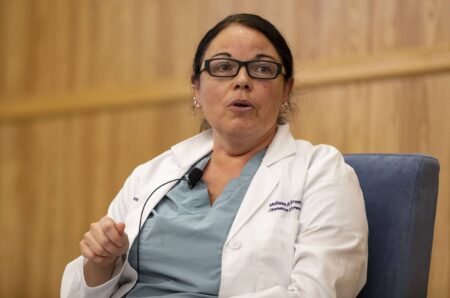
Follow the numbers. We knew that residents in certain ZIP codes lived shorter lives than others in different ZIP codes within the same city. (An NYU School of Medicine 2019 analysis found a 30-year life expectancy gap between those who live in the Streeterville and Englewood neighborhoods.) And that was before the COVID pandemic. As time went on, more stories about safety, violence and systemic racism added to that conversation.The Chicago Department of Public Health reported the life expectancy dropped almost two years from 2019-2020, the first year of the pandemic. Mayor Lori Lightfoot and Dr. Allison Arwady, head of the city’s Department of Public Health, announced an update on life expectancy in Chicago on Monday morning. According to the agency, this is one of the sharpest single-year decreases in life expectancy on record and the steepest declines for Black and Latinx Chicagoans, with COVID-19 driving those numbers. Life expectancy declines were seen in all races and nearly all community areas. Findings include:AdvertisementAs of 2020, the gap in life expectancy between Black and white Chicagoans was 10 years, up from 8.8 years in 2017. For the first time in decades, life expectancy for Black residents of Chicago fell below 70 years (the majority of those communities exist on the South Side);Chicago Latinx residents saw a more than a three-year drop in life expectancy between 2019 and 2020, the steepest decline for any group, and have lost a total of seven years of life expectancy since 2012;Asian/Pacific Islander life expectancy showed a two-year drop from 2019 to 2020, while white Chicagoans’ life expectancy declined by one year;18-to 44-year-old Chicagoans experienced a 45% increase in death rates from 2019, outpacing 65+ Chicagoans (30% increase) despite COVID’s severe impact on the population;Black Chicagoans experienced a higher rate of infant mortality while rates for other groups dropped sharply.“We are looking at the direct and indirect impacts of COVID on Chicago and the news is not good,” Arwady said. “Even before COVID the CDPH had made a decision to focus on life expectancy. … I think it is the strongest indicator of a community’s health as well as opportunities. Even before COVID, there was a major life expectancy gap here in Chicago. In the first year of 2020, not only did we see life expectancy drop for all Chicagoans — all races and ethnicities — but we saw that gap widen for Black Chicagoans on average living about 10 years less than white Chicagoans and life expectancy for Black Chicagoans falling below 70 years for the first time in many years. This is not just about COVID, it’s not just about health care. It’s about opportunities and root causes and in addition to that, we also saw Latinx Chicagoans get hit really hard with COVID, with the biggest drop in life expectancy among Latino Chicagoans within that first year. We see this as sobering data.”COVID-19 was a significant driver of decreases in life expectancy, but so were chronic diseases such as diabetes, cancer and heart disease. Homicide; infant mortality; HIV, flu, and other infections; and opioid overdoses factored into the racial life expectancy gap as well.AdvertisementCDPH’s Healthy Chicago 2025, a five-year action plan, was created to help close the gap. Launched in 2020, CDPH has committed $30 million to establish Healthy Chicago Equity Zones to strengthen community infrastructure and neighborhood networks so people most affected by inequities have the power and resources to promote health and racial equity in their communities and citywide. Other initiatives working in concert with the zoned strategy is “Dr. Taylor’s Table,” a biweekly (every other Thursday at 6 p.m.) live talk Instagram program hosted by Dr. Erica Taylor, on various topics within the Black community regarding health disparities, health care, wellness, mental health and other related issues.The health department will also launch a Community Health Response Corps, an effort to link community members to resources to mitigate social, economic, and health impacts of the pandemic; and equip them with health knowledge. Building on the ChiTracing Corps (the program that hired and trained hundreds of people for COVID contact tracing), the CHRC will create new pathways to employment for those who live in communities that are most affected by health and economic inequities. Arwady said the goal for the program was always hyperlocal decision-making and focus.“The Healthy Chicago Equity Zone model is the city’s attempt to take some of what has been good with COVID — funding community based organizations, working together on things like the unvaccinated — moving that work forward to continue to fund these networks to work on things like chronic disease,” Arwady said. “Even in the year 2020, heart disease was still the number one thing that killed Chicagoans. COVID was number two and it goes on from there.”Other endeavors aimed to reduce the life expectancy gap are:A citywide expansion of trauma-informed centers of care, a network of mental health service providers that provide services regardless of ability to pay, health insurance status or immigration status. The expansion seeks to reduce opioid deaths with a fentanyl test strip program and partnership with Chicago Public Libraries to distribute Narcan to treat opioid overdoses;A citywide expansion of the Family Connects program, which provides free, in-home health supports to new mothers and babies at the three-week postpartum mark. This coupled with the fact Illinois became the first state in the U.S. to extend full Medicaid benefits to new mothers from 60 days to one year postpartum is important, Dr. Melissa Simmons, co-chair of the Health & Policy Committee at Illinois Unidos said. “We know about half of all maternal mortality actually happens in that one year postpartum and that’s really critical because the gap in maternal mortality between Black and white mothers in our country is almost three- to fourfold and the most recent data released by the CDC in February of this year show Latinos maternal mortality rate at an all-time high, and losing a lot of ground. That is scary.”Strengthening violence prevention services, which includes the city’s network of street outreach providers.Dr. Melissa Simmons, of Illinois Unidos, during the discussion, April 25, 2022, at Phalanx Family Services in West Pullman. (Brian Cassella / Chicago Tribune)Lightfoot calls the new data an important level set. She said it’s that hyperlocal attention that is making a difference.“We have to look ourselves and our city in the eye and deal with the devastating impact of what’s transpired from a public health and health care perspective over these last two years,” Lightfoot said. “This is an important and sobering milestone that really measures how far in the journey we are and what we need to do to get to the destination. The answer to a lot of these problems is access to high-quality health care — we have to keep that front and center in our efforts.”drockett@chicagotribune.com
Follow the numbers. We knew that residents in certain ZIP codes lived shorter lives than others in different ZIP codes within the same city. (An NYU School of Medicine 2019 analysis found a 30-year life expectancy gap between those who live in the Streeterville and Englewood neighborhoods.) And that was before the COVID pandemic. As time went on, more stories about safety, violence and systemic racism added to that conversation.The Chicago Department of Public Health reported the life expectancy dropped almost two years from 2019-2020, the first year of the pandemic. Mayor Lori Lightfoot and Dr. Allison Arwady, head of the city’s Department of Public Health, announced an update on life expectancy in Chicago on Monday morning. According to the agency, this is one of the sharpest single-year decreases in life expectancy on record and the steepest declines for Black and Latinx Chicagoans, with COVID-19 driving those numbers. Life expectancy declines were seen in all races and nearly all community areas. Findings include:AdvertisementAs of 2020, the gap in life expectancy between Black and white Chicagoans was 10 years, up from 8.8 years in 2017. For the first time in decades, life expectancy for Black residents of Chicago fell below 70 years (the majority of those communities exist on the South Side);Chicago Latinx residents saw a more than a three-year drop in life expectancy between 2019 and 2020, the steepest decline for any group, and have lost a total of seven years of life expectancy since 2012;Asian/Pacific Islander life expectancy showed a two-year drop from 2019 to 2020, while white Chicagoans’ life expectancy declined by one year;18-to 44-year-old Chicagoans experienced a 45% increase in death rates from 2019, outpacing 65+ Chicagoans (30% increase) despite COVID’s severe impact on the population;Black Chicagoans experienced a higher rate of infant mortality while rates for other groups dropped sharply.“We are looking at the direct and indirect impacts of COVID on Chicago and the news is not good,” Arwady said. “Even before COVID the CDPH had made a decision to focus on life expectancy. … I think it is the strongest indicator of a community’s health as well as opportunities. Even before COVID, there was a major life expectancy gap here in Chicago. In the first year of 2020, not only did we see life expectancy drop for all Chicagoans — all races and ethnicities — but we saw that gap widen for Black Chicagoans on average living about 10 years less than white Chicagoans and life expectancy for Black Chicagoans falling below 70 years for the first time in many years. This is not just about COVID, it’s not just about health care. It’s about opportunities and root causes and in addition to that, we also saw Latinx Chicagoans get hit really hard with COVID, with the biggest drop in life expectancy among Latino Chicagoans within that first year. We see this as sobering data.”COVID-19 was a significant driver of decreases in life expectancy, but so were chronic diseases such as diabetes, cancer and heart disease. Homicide; infant mortality; HIV, flu, and other infections; and opioid overdoses factored into the racial life expectancy gap as well.AdvertisementCDPH’s Healthy Chicago 2025, a five-year action plan, was created to help close the gap. Launched in 2020, CDPH has committed $30 million to establish Healthy Chicago Equity Zones to strengthen community infrastructure and neighborhood networks so people most affected by inequities have the power and resources to promote health and racial equity in their communities and citywide. Other initiatives working in concert with the zoned strategy is “Dr. Taylor’s Table,” a biweekly (every other Thursday at 6 p.m.) live talk Instagram program hosted by Dr. Erica Taylor, on various topics within the Black community regarding health disparities, health care, wellness, mental health and other related issues.The health department will also launch a Community Health Response Corps, an effort to link community members to resources to mitigate social, economic, and health impacts of the pandemic; and equip them with health knowledge. Building on the ChiTracing Corps (the program that hired and trained hundreds of people for COVID contact tracing), the CHRC will create new pathways to employment for those who live in communities that are most affected by health and economic inequities. Arwady said the goal for the program was always hyperlocal decision-making and focus.“The Healthy Chicago Equity Zone model is the city’s attempt to take some of what has been good with COVID — funding community based organizations, working together on things like the unvaccinated — moving that work forward to continue to fund these networks to work on things like chronic disease,” Arwady said. “Even in the year 2020, heart disease was still the number one thing that killed Chicagoans. COVID was number two and it goes on from there.”Other endeavors aimed to reduce the life expectancy gap are:A citywide expansion of trauma-informed centers of care, a network of mental health service providers that provide services regardless of ability to pay, health insurance status or immigration status. The expansion seeks to reduce opioid deaths with a fentanyl test strip program and partnership with Chicago Public Libraries to distribute Narcan to treat opioid overdoses;A citywide expansion of the Family Connects program, which provides free, in-home health supports to new mothers and babies at the three-week postpartum mark. This coupled with the fact Illinois became the first state in the U.S. to extend full Medicaid benefits to new mothers from 60 days to one year postpartum is important, Dr. Melissa Simmons, co-chair of the Health & Policy Committee at Illinois Unidos said. “We know about half of all maternal mortality actually happens in that one year postpartum and that’s really critical because the gap in maternal mortality between Black and white mothers in our country is almost three- to fourfold and the most recent data released by the CDC in February of this year show Latinos maternal mortality rate at an all-time high, and losing a lot of ground. That is scary.”Strengthening violence prevention services, which includes the city’s network of street outreach providers.Dr. Melissa Simmons, of Illinois Unidos, during the discussion, April 25, 2022, at Phalanx Family Services in West Pullman. (Brian Cassella / Chicago Tribune)Lightfoot calls the new data an important level set. She said it’s that hyperlocal attention that is making a difference.“We have to look ourselves and our city in the eye and deal with the devastating impact of what’s transpired from a public health and health care perspective over these last two years,” Lightfoot said. “This is an important and sobering milestone that really measures how far in the journey we are and what we need to do to get to the destination. The answer to a lot of these problems is access to high-quality health care — we have to keep that front and center in our efforts.”drockett@chicagotribune.com
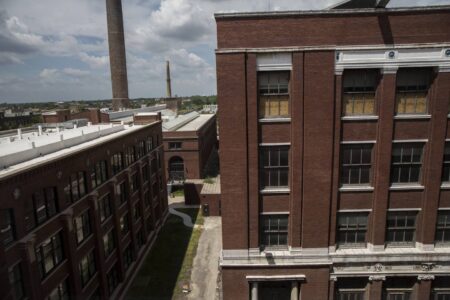
Mayor Lori Lightfoot’s administration is set to launch several development projects in the West Side neighborhood of North Lawndale, but a coalition of local community groups and developers said Monday the area’s economic troubles have deep roots, and though the mayor’s initiative is welcome, it won’t be enough.“We love the mayor’s INVEST South/West program and think it’s great, so we thank the mayor for that,” said Richard Townsell, executive director of the Lawndale Christian Development Corp. “But since the riots in 1968, North Lawndale has been on a downward trend in terms of population, and one thing is not going to solve it.”AdvertisementTownsell’s group, along with partners North Lawndale Community Coordinating Council, North Lawndale Employment Network and Sinai Community Institute, unveiled a report at the City Club of Chicago from the Great Cities Institute at the University of Illinois at Chicago, detailing both the challenges facing the West Side community of nearly 35,000, and how to reverse decades of disinvestment.North Lawndale was once the home of Sears, which ran its national mail order business out of a 55-acre complex that stretched across the neighborhood, a beehive of activity that provided thousands of jobs. Sears headed downtown in the 1970s, and other manufacturing giants such as International Harvester and Western Electric also left. Unemployment soared in the ensuing decades, leading to population decline and a deteriorated housing stock. Smaller local businesses also shut their doors, leaving behind a neighborhood with several thousand vacant lots and little economic activity.AdvertisementThe historic Sears, Roebuck & Co. Printing Building in Homan Square, North Lawndale has been transformed into 181 affordable housing units by nonprofit developer Mercy Housing Lakefront, June 14, 2017. (Zbigniew Bzdak / Chicago Tribune)“My mother escaped sharecropping by moving up from Tennessee in the ’50s to North Lawndale, where she went to work,” Townsell said. “But when you take a business, you lose not only that business, but also the businesses that fed off it, the coffee shops, diners and car washes.”North Lawndale now sits in the middle of a food desert, a region with no sizable grocery stores, forcing residents to spend their money outside the community, according to Teresa Córdova, director of the Great Cities Institute. That’s not just a matter of convenience. Unless those dollars stay in North Lawndale, commercial spaces will stay empty, cutting out an important source of jobs.“The most basic rule of economic development is you have to have dollars circulating in your community,” she said. “North Lawndale residents have to leave the neighborhood for almost everything because almost every category of goods and services is not available.”North Lawndale residents spend $124 million of their wages outside the community each year, researchers found. Furthermore, businesses did add about 3,000 jobs to the neighborhood between 2010 and 2018, but most went to nonresidents. That’s partly because more than 20% of the jobs require a college degree, a credential held by just 12.7% of North Lawndale residents. Overall, white workers hold more than half of neighborhood jobs, while making up only 2.3% of North Lawndale residents. The mismatches help explain why nearly half of local households are forced to pay 50% or more of their incomes toward rent, leaving little or nothing for savings.“What is needed right now is to plug the leaks,” Córdova said.LCDC and its community partners planned for years to bring in affordable housing, new retail and other economic development, Townsell said, but having such a detailed analysis will help set priorities and ensure future development benefits residents.The Soul Food Lounge is on the ground floor of the Dr. King Legacy Apartments in Chicago, April 25, 2022. (Jose M. Osorio / Chicago Tribune)“We knew money was leaking out of the community, but we didn’t know quite how much,” Townsell said. “And it was sobering to see in the richest country in the world how much people were spending of their hard-earned incomes just to find housing.”Lightfoot kicked off her INVEST South/West initiative in 2019, targeting 10 communities on the South and West sides. According to the mayor’s office, in the first two years it mobilized more than $1 billion of private and public funds for a series of mixed-use developments, including Lawndale Redefined, a $31.4 million project in North Lawndale. A joint venture of GRE Ventures, Imagine Group and 548 Development, it will replace a vacant plot on Ogden Avenue with dozens of apartments and town homes, retail and restaurant spaces, as well as a community center. In addition, earlier this year, the city selected 548 Development and Related Midwest to develop at 4300 West Roosevelt Road the $38.4 million Lawndale Innovation Center, a collection of solar-powered industrial buildings and community centers. The vacant 20.8-acre site was once an illegal dumping ground made infamous in the 1990s by the federal Operation Silver Shovel investigation, which led to the convictions of several aldermen.AdvertisementTownsell said the community would also like to see the city appoint an ombudsman for North Lawndale, someone who could cut through any red tape that might delay new development projects. The Great Cities report also shows the neighborhood needs a construction loan program for new, affordable single-family homes, and a flexible emergency fund to help those seeking employment pay for child care or work supplies.“Even though the unemployment rate in North Lawndale is three times higher than the city of Chicago, that’s not a reflection of people’s desire to work,” said Brenda Palms Barber, president and CEO of North Lawndale Employment Network.Above all, to improve the quality of life, the neighborhood needs grocery stores, Townsell said.“We found out during the pandemic how important health was, and we need people to have access to healthy, affordable options for produce.”brogal@chicagotribune.com
Mayor Lori Lightfoot’s administration is set to launch several development projects in the West Side neighborhood of North Lawndale, but a coalition of local community groups and developers said Monday the area’s economic troubles have deep roots, and though the mayor’s initiative is welcome, it won’t be enough.“We love the mayor’s INVEST South/West program and think it’s great, so we thank the mayor for that,” said Richard Townsell, executive director of the Lawndale Christian Development Corp. “But since the riots in 1968, North Lawndale has been on a downward trend in terms of population, and one thing is not going to solve it.”AdvertisementTownsell’s group, along with partners North Lawndale Community Coordinating Council, North Lawndale Employment Network and Sinai Community Institute, unveiled a report at the City Club of Chicago from the Great Cities Institute at the University of Illinois at Chicago, detailing both the challenges facing the West Side community of nearly 35,000, and how to reverse decades of disinvestment.North Lawndale was once the home of Sears, which ran its national mail order business out of a 55-acre complex that stretched across the neighborhood, a beehive of activity that provided thousands of jobs. Sears headed downtown in the 1970s, and other manufacturing giants such as International Harvester and Western Electric also left. Unemployment soared in the ensuing decades, leading to population decline and a deteriorated housing stock. Smaller local businesses also shut their doors, leaving behind a neighborhood with several thousand vacant lots and little economic activity.AdvertisementThe historic Sears, Roebuck & Co. Printing Building in Homan Square, North Lawndale has been transformed into 181 affordable housing units by nonprofit developer Mercy Housing Lakefront, June 14, 2017. (Zbigniew Bzdak / Chicago Tribune)“My mother escaped sharecropping by moving up from Tennessee in the ’50s to North Lawndale, where she went to work,” Townsell said. “But when you take a business, you lose not only that business, but also the businesses that fed off it, the coffee shops, diners and car washes.”North Lawndale now sits in the middle of a food desert, a region with no sizable grocery stores, forcing residents to spend their money outside the community, according to Teresa Córdova, director of the Great Cities Institute. That’s not just a matter of convenience. Unless those dollars stay in North Lawndale, commercial spaces will stay empty, cutting out an important source of jobs.“The most basic rule of economic development is you have to have dollars circulating in your community,” she said. “North Lawndale residents have to leave the neighborhood for almost everything because almost every category of goods and services is not available.”North Lawndale residents spend $124 million of their wages outside the community each year, researchers found. Furthermore, businesses did add about 3,000 jobs to the neighborhood between 2010 and 2018, but most went to nonresidents. That’s partly because more than 20% of the jobs require a college degree, a credential held by just 12.7% of North Lawndale residents. Overall, white workers hold more than half of neighborhood jobs, while making up only 2.3% of North Lawndale residents. The mismatches help explain why nearly half of local households are forced to pay 50% or more of their incomes toward rent, leaving little or nothing for savings.“What is needed right now is to plug the leaks,” Córdova said.LCDC and its community partners planned for years to bring in affordable housing, new retail and other economic development, Townsell said, but having such a detailed analysis will help set priorities and ensure future development benefits residents.The Soul Food Lounge is on the ground floor of the Dr. King Legacy Apartments in Chicago, April 25, 2022. (Jose M. Osorio / Chicago Tribune)“We knew money was leaking out of the community, but we didn’t know quite how much,” Townsell said. “And it was sobering to see in the richest country in the world how much people were spending of their hard-earned incomes just to find housing.”Lightfoot kicked off her INVEST South/West initiative in 2019, targeting 10 communities on the South and West sides. According to the mayor’s office, in the first two years it mobilized more than $1 billion of private and public funds for a series of mixed-use developments, including Lawndale Redefined, a $31.4 million project in North Lawndale. A joint venture of GRE Ventures, Imagine Group and 548 Development, it will replace a vacant plot on Ogden Avenue with dozens of apartments and town homes, retail and restaurant spaces, as well as a community center. In addition, earlier this year, the city selected 548 Development and Related Midwest to develop at 4300 West Roosevelt Road the $38.4 million Lawndale Innovation Center, a collection of solar-powered industrial buildings and community centers. The vacant 20.8-acre site was once an illegal dumping ground made infamous in the 1990s by the federal Operation Silver Shovel investigation, which led to the convictions of several aldermen.AdvertisementTownsell said the community would also like to see the city appoint an ombudsman for North Lawndale, someone who could cut through any red tape that might delay new development projects. The Great Cities report also shows the neighborhood needs a construction loan program for new, affordable single-family homes, and a flexible emergency fund to help those seeking employment pay for child care or work supplies.“Even though the unemployment rate in North Lawndale is three times higher than the city of Chicago, that’s not a reflection of people’s desire to work,” said Brenda Palms Barber, president and CEO of North Lawndale Employment Network.Above all, to improve the quality of life, the neighborhood needs grocery stores, Townsell said.“We found out during the pandemic how important health was, and we need people to have access to healthy, affordable options for produce.”brogal@chicagotribune.com