


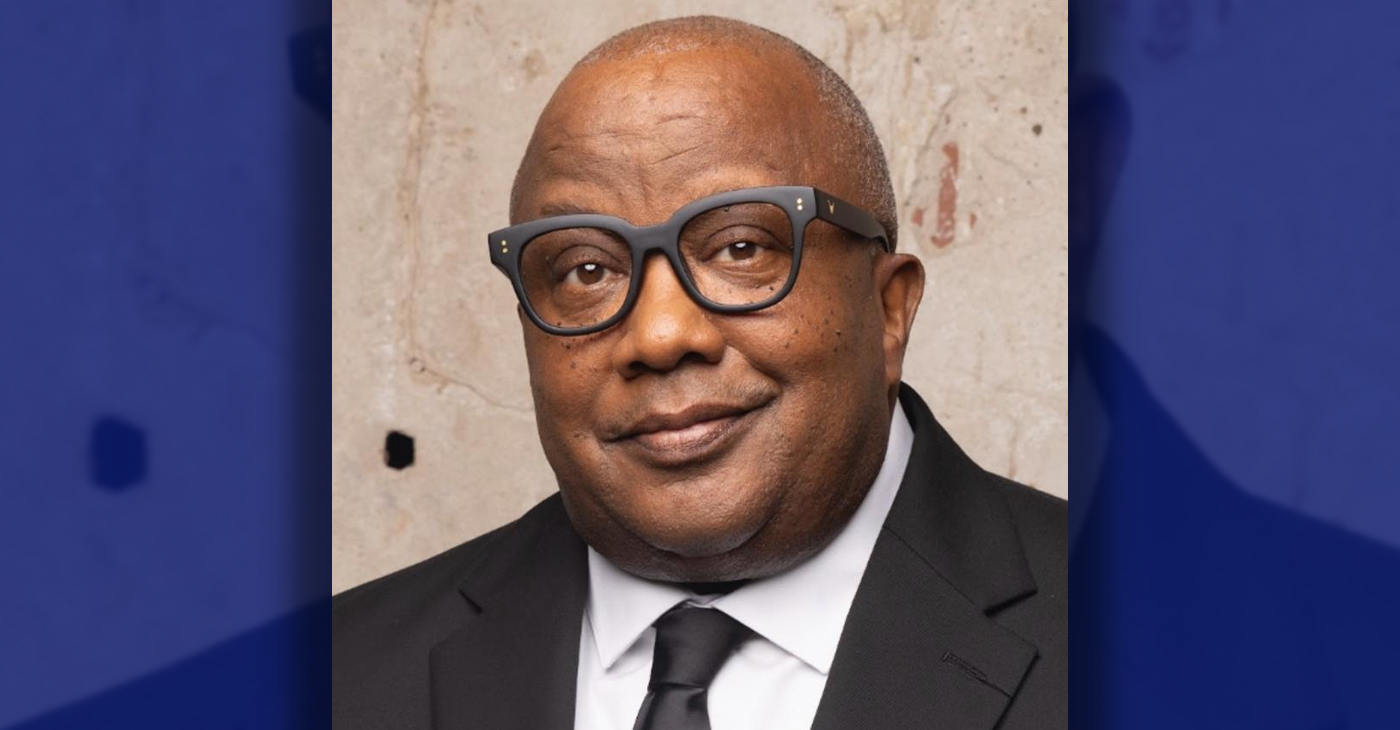
By Louis J. King II, President & CEO, OIC of America
As we celebrate the 100th anniversary of Black History Month, I’m reflecting on the century of economic volatility and roadblocks that have often defined the experiences of disenfranchised communities. Our collective legacy is marked by resilience to overcome the economic challenges faced while trying to achieve the American dream.
For the last 50 years, many have pushed a single narrative: success can only come from a four-year college degree. While this opened the pathway to education, access, and wealth creation, this singular focus doesn’t consider the varied ways people work to make our world move and operate. That path doesn’t fit everyone, and it doesn’t have to. Check the news: the best kept secret is out, and it is a career in the trades.
Starting a career in the skilled trades now means entering an industry with financially rewarding in-demand careers that are essential to the future of our economy. Skilled trades — like construction, plumbing, electrical work, carpentry, masonry, and HVAC — are not only in high demand, but they’re also recession-resistant. As America rebuilds its infrastructure, provides disaster relief efforts, and moves toward a greener economy, these trades are leading the charge. And at OICA we are building America’s workforce to rebuild America by enrolling thousands of people per year to start their careers in the skilled trades.
According to the U.S. Bureau of Labor Statistics, more than 500,000 skilled trade workers are needed every year to fill openings. And with roughly 40% of skilled trades workers expected to retire in the next decade, the demand will continue to grow and more pathways to the middle class will open up. These are careers that can’t be outsourced and that AI won’t replace. They require technical know-how, problem-solving skills, and hands-on training. Another pathway to build a financially stable life.
At OIC of America, along with our affiliates across the country, we’re working to dismantle the negative assumptions around vocational careers and open doors for young people and adults alike to explore these life-changing opportunities. We’re also making sure women, returning citizens, multicultural and multigenerational folks are at the table — and in the field — where these good-paying jobs are waiting. By 2030, we’re on track to place over 50,000 people in the skilled trades per year –a pivot that opens up a world of economic potential they were previously locked out of.
A career in the skilled trades is not just about working with your hands. It’s about building an economic future — for yourself, your family, and your community. In my view, that’s truly one of the best ways to honor the legacy of Black History Month.
For more information, or to be connected to a training program near you, visit http://www.oicofamerica.org.