




NNPA Fund Hosts Black Press Day 2026 At Howard University, Celebrating the Past and Looking Ahead to the Future
By D. Kevin McNeir | Special to The AFRO
Nearly 100 members of the Black Press – some still honing their skills as journalists in college classrooms along with seasoned veterans representing Black publications from across the U.S.; and both friends of and corporate sponsors of the Black Press, gathered on the campus of Howard University (HU) on March, 18 for this year’s Black Press Week Reception.
The program, hosted by the National Newspaper Publishers Association (NNPA) Fund, now in its 50th year and led by Executive Director Kelly Hodges, was held in the HU Blackburn Center. Highlights from the reception included a State of the Black Press address delivered by NNPA President and CEO Dr. Benjamin Chavis Jr., musical selections from the Howard University Community Choir, an AI-themed fireside chat, and remarks from various speakers who updated the audience on recent initiatives related to the survival and growth of the Black Press.
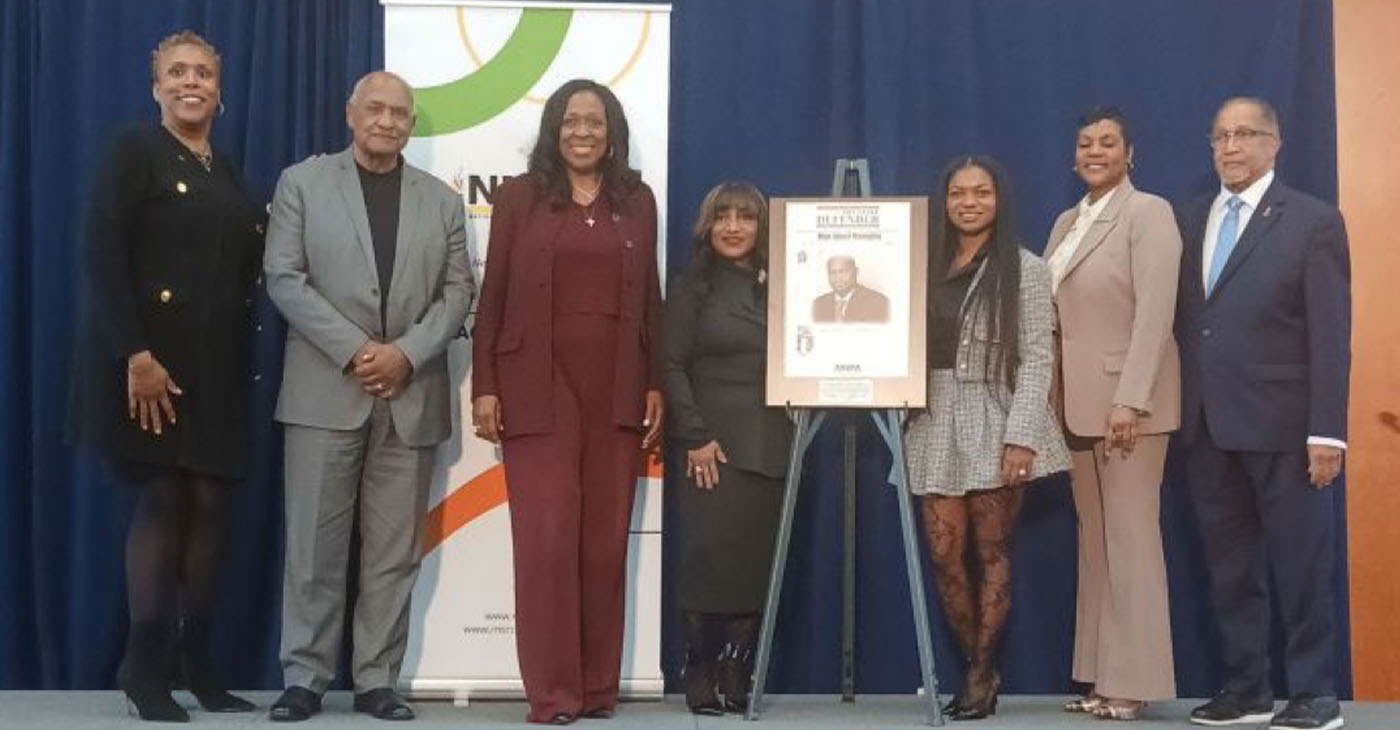
As in years past, the most sacred part of the reception was the enshrinement presentation and plaque acceptance led by Karen Carter Richards, NNPA Fund chair, which celebrated the life of Bernal E. Smith II, who, prior to his death in 2017 at the age of 45, had been instrumental in restoring local ownership of The New Tri-State Defender in Memphis, Tenn., as its president and publisher.
Hodges described Smith as a visionary, a dynamic leader, and one of the NNPA’s most widely regarded voices representing the next generation of Black Press publishers.
“He was known for his commitment to community empowerment, social justice, and innovative media leadership,” Hodges said. “We chose to enshrine him into the NNPA Fund of Distinguished Black Publishers this year at Howard University where he will forever be recognized for his lasting contributions to African American journalism and the legacy of the Black Press.”
The Black Press Week 2026 reception opened with a welcome address from Karen Carter Richards, NNPA Fund chair and publisher of the Houston Forward Times, who invited the audience to join her in “celebrating the excellent legacy of those who have powered the Black Press over the past 199 years.”
John Warren, NNPA Fund board member, publisher of The San Diego Voice & Viewpoint and chair of the NNPA, delivered opening remarks that emphasized his decades-long connection and commitment to Howard University.
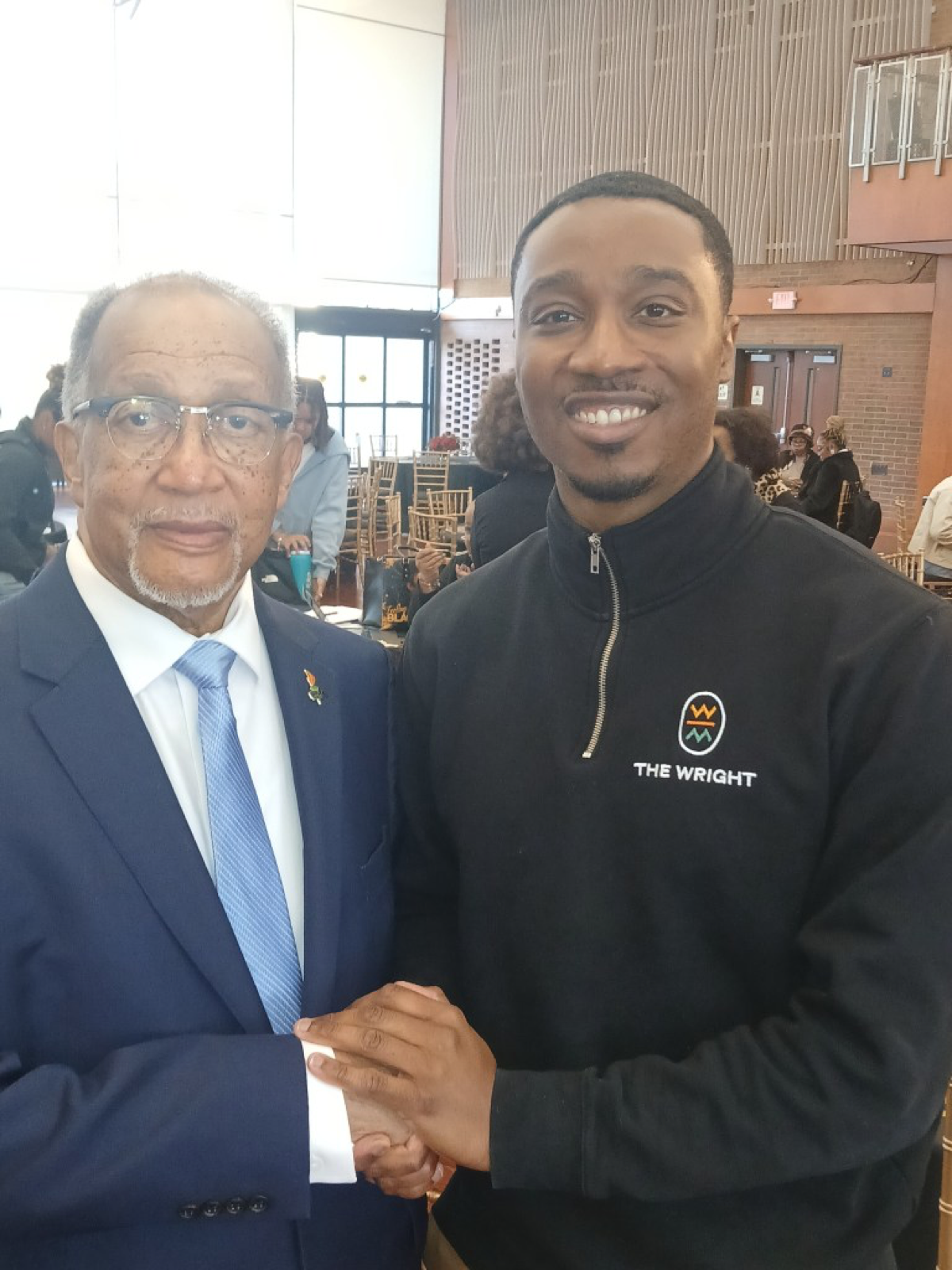
During Black Press Day 2026, held on the campus of Howard University on March 18, one recurring theme shared by featured speakers was the importance of providing more opportunities for intergenerational conversations among members of the Black Press. Pictured is Dr. Benjamin F. Chavis Jr., president and CEO, NNPA, an icon from the Civil Rights Movement, and Phil Lewis, Washington Association of Black Journalists, president, who moderated a fireside chat about the essential integration of AI in Black Press newsrooms during the program and who represents the cadre of young Black journalists who are making their way in the industry. Credit: AFRO Photo/D. Kevin McNeir.
“I’m a two-time graduate and of Howard who completed law school 42 years ago and I am excited to be back on this campus,” Warren said. “We have weathered some tough times but always survived because of powerful presidents who shepherded us through the storms. Howard University represents a vast and impressive history – stories that without the Black Press may have never been documented and would have been lost to future generations.”
Chavis, who chose as the theme for his address, “Legacy, Struggle, Innovation, and the Road Ahead,” said while the nation prepares to celebrate its 250th anniversary, Blacks must remember that our history did not begin in 1776 but rather thousands of years earlier on the African continent.
“Even in the face of unprecedented inhumanity, torture, rape, violence, lynchings, and the racist discrimination and enslavement of African people in America before and after 1776, we not only survived but held on to our sense of dignity, purpose, struggle, mission, and vision,” Chavis said. “Now, as we prepare for the 200th anniversary of the Black Press, we must consider what truths are we passing on to the next generation?
“What truths are we holding onto that shatter the sinful and hateful stereotypes that work to sustain our oppression rather than to ensure our liberation? We represent a sacred tradition of truth telling as members of the Black Press. However, it has never just been about the news – it has always been about freedom, justice, dignity, and self-determination,” said Chavis who added that the Black Press must continue to serve as a prophetic voice in the wilderness of American democracy as it challenges various forms of injustice.
As the Black Press continues its commitment to digitizing photographs and publications dating back to its founding in the early 19th century, Howard University serves as the home for archives that continue to grow and are housed on Howard’s campus under the auspices of the Moorland Spingarn Research Center (MSRC). Reports from two representatives of the NNPA’s ongoing digitization efforts, Brandon Nightingale, senior project manager, and Sijan Shrestha, MSRC scholar, provided critical information about the NNPA’s efforts to ensure that its past works remain available for future generations.
Chavis challenged his colleagues to ready themselves for the digital transformation which is sweeping across America and the world and to recognize that the shift from print to digital publishing is far from optional but is instead essential for those who wish to survive.
“This moment demands strategic resilience, intergenerational leadership to secure the future, and the ability to move forward as innovators who understand the benefits of emerging technologies like artificial intelligence and who are not afraid of the changes that it will inevitably bring to our industry,” he said. “But changes notwithstanding, our mission remains urgent and that cause first voiced in 1827 by the publishers of Freedom’s Journal which journeyed throughout two centuries of struggle and triumph, is still before us.
“The role of the Black Press is more vital today than ever before,” he continued. “As we honor the legacy of those like Frederick Douglass and Ida B. Wells, we must accept as our task the preparation of a new generation who will be called upon to carry the torch.”