


Close Menu
  • Home
  • News
    • Local
  • Opinion
  • Business
  • Health
  • Education
  • Sports
  • Podcast

Subscribe to Updates

Get the latest creative news from FooBar about art, design and business.

What's Hot

What Is the Connection Between Health and Homelessness?

Beyond the Headlines: The Long Road to Recovery After Violent Crime

Beyond the Headlines: The Long Road to Recovery After Violent Crime

Facebook X (Twitter) Instagram
  • Lifestyle
  • Podcast
  • Contact Us
Facebook X (Twitter) Instagram Pinterest Vimeo
The Windy City Word
  • Home
  • News
    1. Local
    2. View All

    Uncle Remus Says Similar Restaurant Name Is Diluting Its Brand and Misleading Customers

    Youth curfew vote stalled in Chicago City Council’s public safety committee

    Organizers, CBA Coalition pushback on proposed luxury hotel near Obama Presidential Center

    New petition calls for state oversight and new leadership at Roseland Community Hospital

    What Is the Connection Between Health and Homelessness?

    Beyond the Headlines: The Long Road to Recovery After Violent Crime

    Social Drinking Habits Face New Scrutiny as Wellness Priorities Shift

    Why Stigma is Still One of the Biggest Barriers to Addiction Recovery

  • Opinion

    Rep Davis, Olive Post CDR., Call on Trump to Restore file of Black Vietnam War Hero to Website

    Capitalize on Slower Car Dealership Sales in 2025

    The High Cost Of Wealth Worship

    What Every Black Child Needs in the World

    Changing the Game: Westside Mom Shares Bally’s Job Experience with Son

  • Business

    Illinois Department of Innovation & Technology supplier diversity office to host procurement webinar for vendors

    Crusader Publisher host Ukrainian Tech Businessmen eyeing Gary investment

    Sims applauds $220,000 in local Back to Business grants

    New Hire360 partnership to support diversity in local trades

    Taking your small business to the next level

  • Health

    What Is the Connection Between Health and Homelessness?

    Beyond the Headlines: The Long Road to Recovery After Violent Crime

    Social Drinking Habits Face New Scrutiny as Wellness Priorities Shift

    Why Stigma is Still One of the Biggest Barriers to Addiction Recovery

    Saving Black Mothers Starts Outside the Hospital

  • Education

    COMMENTARY: Property Is Power! Why the Dream Booker T. Washington Preached in 1905 Still Matters Today

    COMMENTARY: From Chains to Change — Frederick Douglass’ Question Still Echoes Across America’s 250-Year Journey

    Chris Robinson Is Turning Cultural Memory into Public Art

    Africa University Gets First AME Member on Development Board

    National Museum of African American History and Culture Opens Two Exhibitions Exploring the Power of Abstraction Across Art and Design

  • Sports

    Nurture, Inc., Negro Southern League Museum Look to Preserve History While Healing the Community

    OP:ED How Black WNBA Players Became Collateral in the Caitlin Clark Culture War

    U.S. Men’s National Team Names its Roster for World Cup 2026

    Top 10 moments of the 2026 FIFA World Cup

    U.S. Soccer to Expand ‘Soccer at Schools’ Programming Across OUSD

  • Podcast
The Windy City Word
Lifestyle

What you should and shouldn’t say to someone diagnosed with cancer

staffBy staffUpdated:No Comments3 Mins Read
Facebook Twitter Pinterest Telegram LinkedIn Tumblr Email Reddit
Share
Facebook Twitter LinkedIn Pinterest WhatsApp Email

By Dr. Jodi Brehm, health enews

Nearly 300,000 new cases of breast cancer are diagnosed each year in the United States. Each of those women have a circle of family and friends who are also affected by that diagnosis.

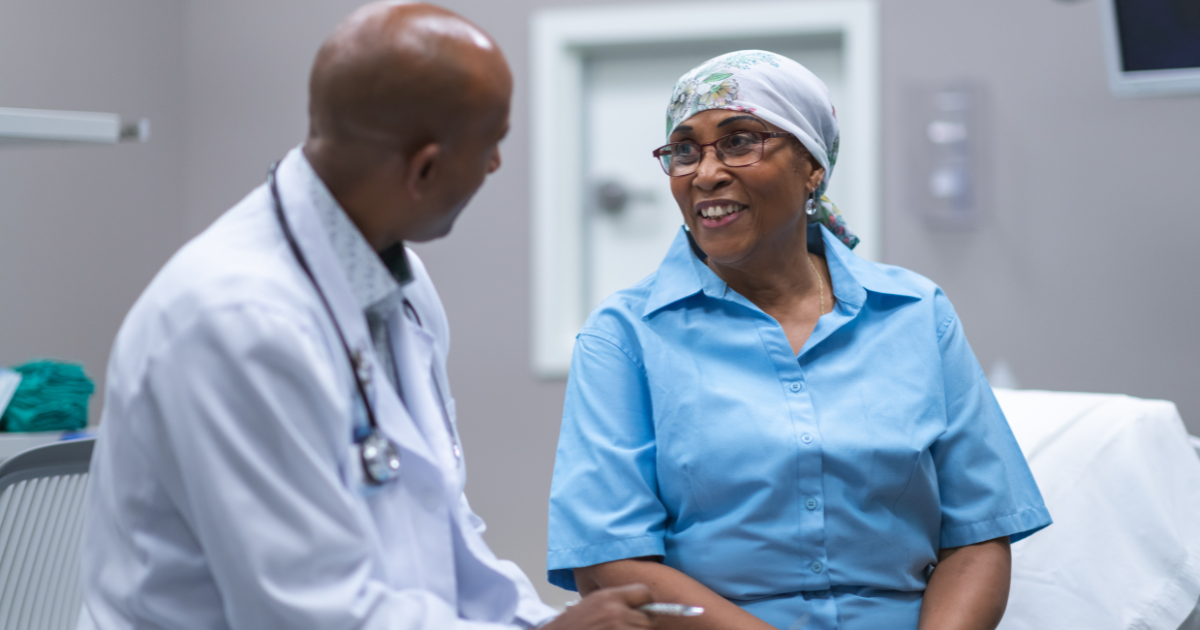
A cancer diagnosis is devastating for the patient. It also can be difficult to know what to do and say to your friend or family member who received that news.

Here are some tips for helping your loved one navigate that time. Each person and each diagnosis is different, but it’s important to be sure to talk to your loved one.

Do: Ask permission. Before you visit, give advice or even ask probing questions, ask if it’s OK. And be OK if the answer is no.

Don’t: Minimize or share false platitudes. Saying things like, “At least you’re alive,” or “You’ll be fine,” or “Everything happens for a reason,” minimizes what your friend is going through and may make them feel less likely to share information with you.

Do: Listen. This can be challenging, especially if you’re a “fix-it” type of person. Try to avoid cheerleading. Just listen as your friend shares her feelings.

Don’t: Give advice unless you’re asked. It may be irresistible to research your friends’ diagnosis and treatment options, but realize that not all breast cancers are treated the same way, and what is appropriate for treatment for one type of cancer and person may not be appropriate for another. Respect the decisions your friend and her physician are making together.

Do: Support your loved one’s decisions. Even if you don’t agree with the treatment plan, even if you share decision making, it is your friend or loved one’s body and, ultimately, her decision.

Don’t: Disappear. Continuing friendships and regular activities can help your friend find her new normal during treatment and after.

Do: Support the caregiver. If you’re not the primary caregiver, you can offer to take on some tasks, like driving to appointments, cleaning or cooking meals to make things easier for the patient and the caregiver.

Don’t: Process your own feelings in front of your loved one. Learning of a friend’s diagnosis can be difficult to hear. Acknowledge those feelings but cope with them before seeing your friend.

Do: Think about it from your friend’s perspective. Don’t comment on appearance changes or any side effects of cancer or treatment. Think about what your friend would want to hear.

Don’t: Ignore uncomfortable topics and feelings. A cancer diagnosis is scary, and treatment can be an emotional roller coaster. Allow your friend to be sad and to express those feelings.

Want to learn more about your risk for breast cancer? Take a free, quick online assessment by clicking here.

Dr. Jodi Brehm is an Aurora Health Care breast surgeon at Aurora Medical Center in Kenosha, Wis.

Share. Facebook Twitter Pinterest LinkedIn Reddit WhatsApp Telegram Email
Previous ArticleThis Week In Black History November 30 – December 6, 2022
Next Article Chicago Impact Investor Donates $3.2 Million in Innocence Organization
staff

Related Posts

What Is the Connection Between Health and Homelessness?

Beyond the Headlines: The Long Road to Recovery After Violent Crime

Social Drinking Habits Face New Scrutiny as Wellness Priorities Shift

Comments are closed.

Video of the Week
https://www.youtube.com/watch?v=AxFXtgzTu4U
Advertisement
Video of the Week
https://www.youtube.com/watch?v=OjfvYnUXHuI
ABOUT US


The Windy City Word is a weekly newspaper that projects a positive image of the community it serves. It reflects life on the Greater West Side as seen by the people who live and work here.

OUR PICKS

Affordable EVs: Exploring $15K Electric Vehicles for Everyone

Biden, Harris Invited to NNPA Convention as Black Press Celebrates 197 Years, Addresses Voter Turnout and Empowering Black Communities

Dashboard Glare! Does It Affect Your Driving Visibility?

MOST POPULAR

What Is the Connection Between Health and Homelessness?

Beyond the Headlines: The Long Road to Recovery After Violent Crime

Social Drinking Habits Face New Scrutiny as Wellness Priorities Shift

© 2026 The Windy City Word. Site Designed by No Regret Medai.
  • Home
  • Lifestyle
  • Podcast
  • Contact Us

Type above and press Enter to search. Press Esc to cancel.