




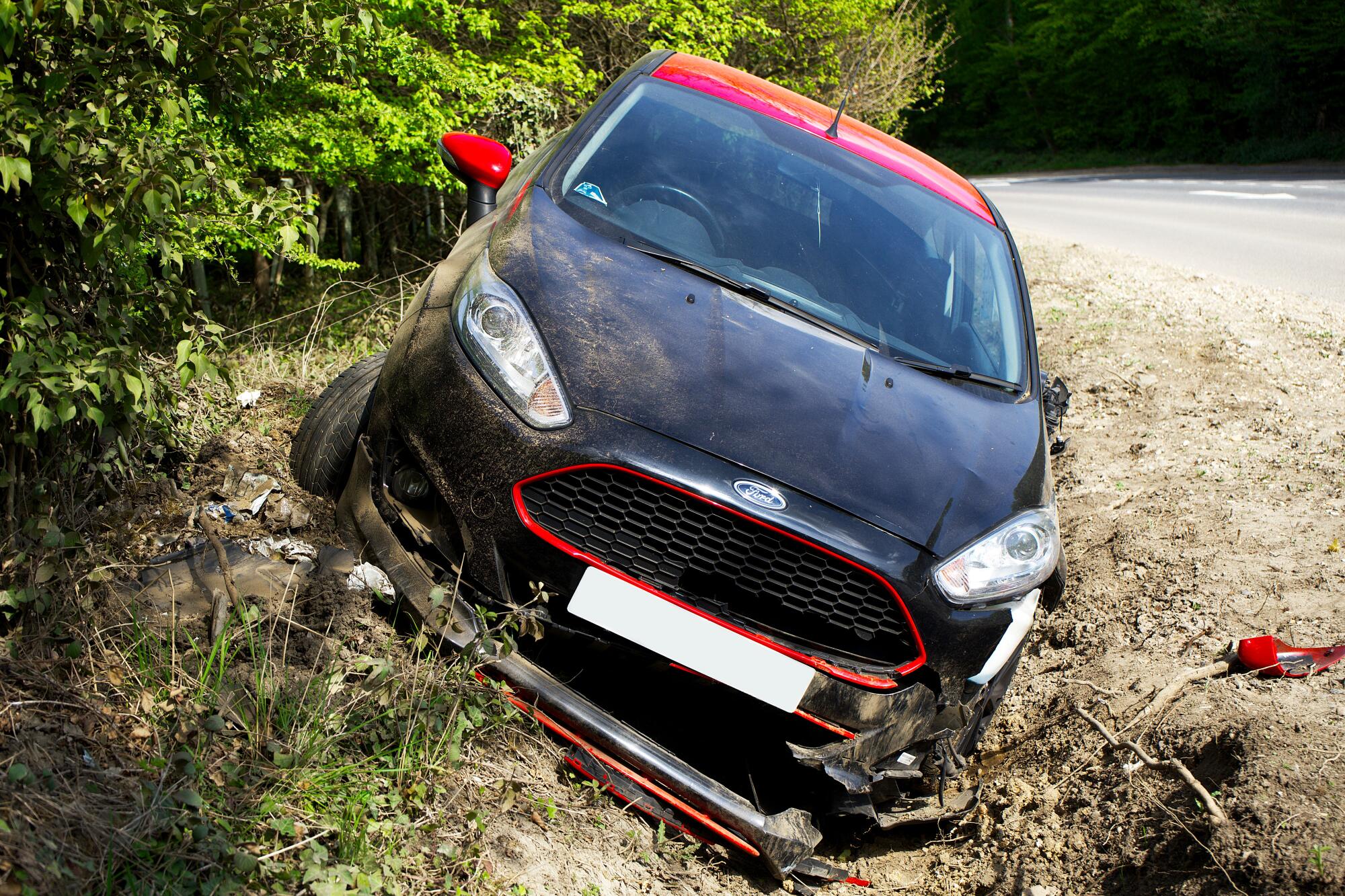

Small errors can cost you big after a car accident. Know the steps insurance adjusters hope you’ll skip so you can preserve evidence and maximize your claim.
By Amy Kang
You want to protect yourself and your claim when you’ve been involved in a car accident. Insurance adjusters will typically never ask you to preserve evidence, seek medical attention, or delay accepting a settlement. Taking the right steps will allow you to receive fair compensation for damages related to your car accident and could prevent you from making costly mistakes.
YouGov Data shows that 50% of U.S. vehicle owners have made at least one car insurance claim. Additionally, the YouGov data indicates that those individuals who drive more often are more likely to submit a claim. As stated earlier, this clearly illustrates how frequent motor vehicle accidents and subsequent auto claims occur.
Therefore, since motor vehicle collisions occur frequently, all drivers should understand the proper procedures to perform immediately following such events. Your actions over the next few hours and days following the accident can impact your health, financial status, and ultimately, your ability to collect on an insurance claim.
Understanding the correct processes and avoiding common errors can assist you in protecting your rights.
What Should You Do Immediately After an Automobile Accident?
Determine whether anyone has been injured. If anyone has been injured, call 911. If possible, relocate to a secure location and contact local law enforcement to prepare a formal police report.
Seek medical attention regardless of how you feel. Even though many individuals believe they are unharmed from an automobile accident injury, there are times when such injuries may not present themselves until later.
Receiving medical treatment early will create documentation of your injuries, which can be used in establishing liability for your car accident injury claim.
How Long Must You Wait Before Filing an Auto Insurance Claim?
The statute of limitations varies by state and the automobile insurance contract. Typically, it is advisable to notify your insurance carrier as soon as possible after the accident.
If you are uncertain regarding statutes of limitation relating to filing an automobile claim with your insurance provider, consult with them and/or lawyers for auto accidents. Acting promptly will assist in safeguarding your rights.
Preserving Important Evidence Helps Protect Your Auto Accident Injury Claim
Following a serious automobile collision, emergency services personnel typically respond to assist those with injuries and document significant elements related to the collision. The response team documents the area where the incident occurred and assesses injuries sustained during the collision. You can even expect them to collect data based on standardized protocols.
Therefore, it is recommended that evidence gathering occur through trained professionals. The trained professionals are people or entities like emergency services and police officers. Do this rather than solely relying on the insurance company to gather accurate, unbiased records.
Don’t Disassemble/Repair Damaged Items Before You Adequately Document Them
Injuries suffered during a car accident, whether physical or otherwise, can cause significant property damage. Don’t dispose of anything until all of the damage has been documented. This includes:
- Vehicle damage photos
- Repair quotes
- Towing receipt/document
- Photographs of damaged personal items
These types of documents can aid in substantiating an individual’s request for financial compensation.
Keep Your Medical Records Up to Date and Accurate
The medical records you accumulate from seeing doctors can help to show the causal relationship between your injuries and the car accident. Your personal injury lawyer will need them to effectively illustrate the severity of the damages caused by the wreck.
If you are experiencing persistent symptoms, you need to act quickly. For instance, some people ask, “How long does neck pain last after a car accident?” The answer to this question may enable you to determine whether continuing treatment and documentation will help to support your claim.
Beware of Statements and Decisions That Can Reduce Your Payment
Here are some things to consider when deciding whether to give a recorded statement:
- Only talk about the things you know.
- You cannot speculate on any part of the accident.
- Look over anything given to you by the other parties involved prior to answering their questions.
- If there is something you do not know, ask them to explain it again.
A good auto accident attorney can guide you as to what to expect from your rights while giving a recorded statement.
Think Thoroughly Before Agreeing to Settle
There is no need to agree to a settlement right away. Many accidents have long-term consequences that may take several weeks or even months to show up. This includes medical bills, lost wages, and future treatment costs.
Frequently Asked Questions
Can Weather Impact How Your Insurance Company Handles Your Claim?
Yes. Rainy weather, poor lighting in foggy conditions, or poor driving on an icy road can impact who is at fault.
What Happens If the Other Driver Is Not Insured?
You could have assistance through your own Insurance. “Uninsured motorist protection” can pay for damages and injuries due to another driver who does not carry liability Insurance.
Will What You Said to Your Friends Help Your Case?
Yes. What passengers tell about the wreck (how fast the cars were going or whether or not either car made a stop sign/stop light) can provide evidence supporting your account of what occurred.
Can Posts and Pictures on Facebook or Twitter Harm Your Case?
Yes. Photographs and comments on social media can both be used against you when determining if you suffered injuries from the crash.
Why Do Insurance Companies Ask So Many Questions on Claim Forms?
They do it to gather information and compare the data provided. Small discrepancies within the information provided could potentially cause issues.
Can You Seek Compensation for Injuries You Developed After the Accident?
Yes. There are instances where injuries do not develop immediately after being involved in an accident.
Protect Your Right to Fair Compensation After a Car Accident
Being involved in a car accident is traumatic enough on its own. But luckily, there are many things you can do to ensure that the process goes as smoothly as possible. Each of these steps will help to protect your claim for money damages and increase the likelihood that you receive what you deserve.
Support trusted reporting that will help Black drivers and families learn about their rights related to accident incidents and other important consumer protection issues.
The post What Insurance Adjusters Don’t Want You to Do After a Car Accident appeared first on BlackPressUSA.