



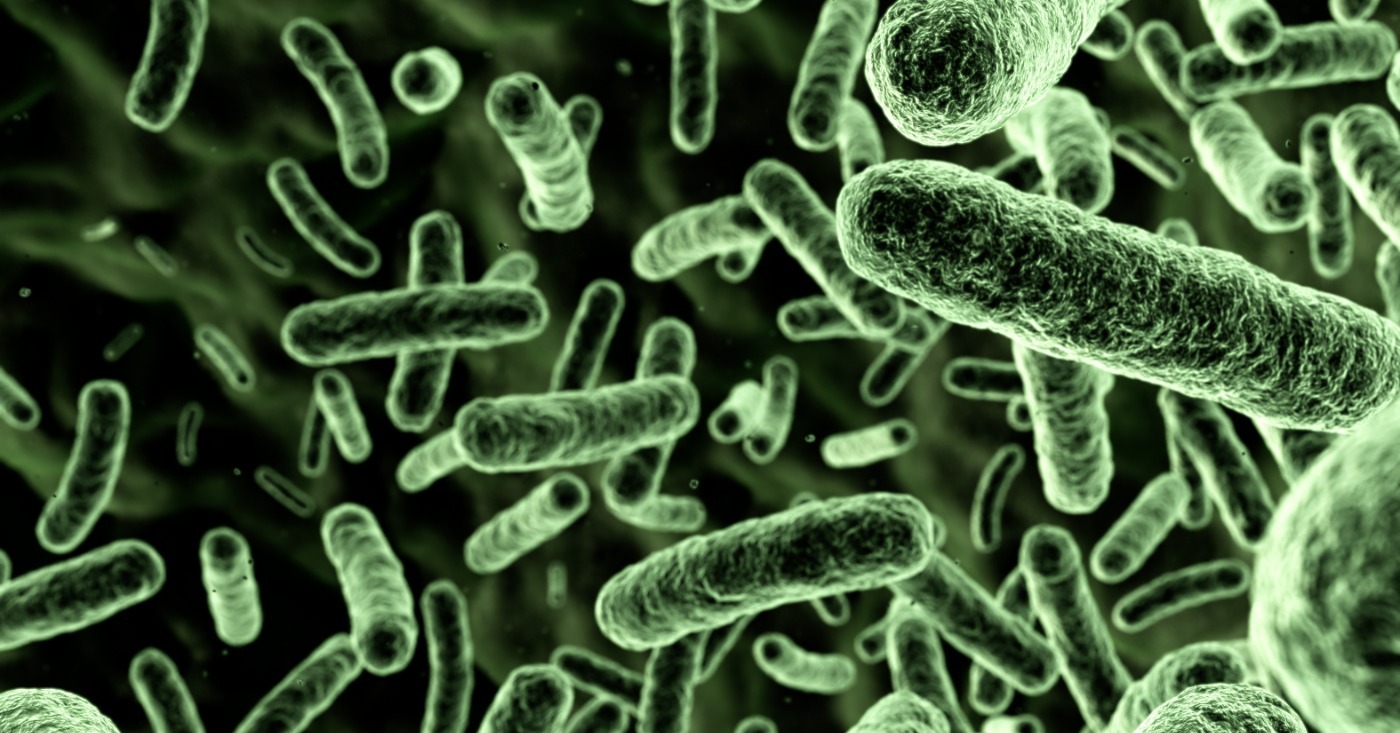
Louisiana health officials are urging residents to take precautions after confirming a fifth death this year from Vibrio vulnificus, a bacterium that can cause severe wound infections and, in rare cases, a flesh-destroying illness called necrotizing fasciitis. The state has now recorded nine cases and five deaths in 2026, a sharp increase from Louisiana’s typical average of seven cases and one death over the same stretch in past years.
What is Vibrio vulnificus, and how do people get infected?
Vibrio vulnificus is a bacterium that occurs naturally in warm coastal waters and is more abundant between May and October, when water temperatures rise. Infection typically happens when an open wound comes into contact with brackish or salt water, though people can also become sick after eating raw or undercooked seafood, particularly oysters. According to the Louisiana Department of Health, every case reported this year involved a wound exposed to seawater, and all nine patients had underlying health conditions at the time of infection.
Why is this bacteria sometimes called flesh-eating?
In severe cases, Vibrio vulnificus can trigger necrotizing fasciitis, a condition in which tissue around an open wound dies rapidly. That rare but serious outcome is where the bacteria gets its flesh-eating nickname. Beyond skin and wound infections, Vibrio vulnificus can also cause gastrointestinal illness or, if it enters the bloodstream, a more advanced infection marked by fever, chills, septic shock, and blistering skin lesions.
How dangerous is this infection?
According to health officials, about one in five people infected with Vibrio vulnificus dies, sometimes within a day or two of becoming ill. Severe infections can require intensive care or limb amputation. Healthy people generally experience only mild symptoms if infected, but the danger rises sharply for anyone who is immunocompromised or living with a chronic condition.
Who faces the highest risk of serious complications?
People with liver disease, cancer, diabetes, HIV or thalassemia face a higher risk of severe illness, as do people taking immunosuppressive medications, those on medication that reduces stomach acid, and people who have recently had stomach surgery. Every patient infected in Louisiana this year had at least one underlying health condition, which health officials say is a consistent pattern in serious Vibrio vulnificus cases.
What are the warning signs to watch for?
Early signs of a Vibrio skin infection include fever, redness, pain, swelling, warmth, discoloration, or discharge near a wound. Health officials say anyone who develops these symptoms after a wound has been exposed to seawater should seek medical care immediately and specifically tell their provider about the water exposure, since early treatment significantly improves outcomes.
How is the infection diagnosed and treated?
Doctors diagnose Vibrio vulnificus bacteria by testing cultures taken from stool, wounds, or blood. Mild infections are typically managed by increasing fluid intake to prevent dehydration, while severe or prolonged cases require antibiotics to improve survival odds. In cases involving significant wound damage, surgery to remove dead tissue may also be necessary.
How can people protect themselves this summer?
Health officials recommend staying out of brackish or salt water entirely if you have any open wounds, cuts, scrapes, recent surgical incisions or piercings. If water exposure with a wound is unavoidable, covering it with a waterproof bandage beforehand and washing it thoroughly with soap and water afterward can reduce risk. For food safety, officials advise cooking seafood thoroughly, especially for anyone who is pregnant, immunocompromised or dealing with liver or stomach issues, washing hands after handling raw shellfish, and keeping raw and cooked seafood separate to avoid cross contamination. People in higher-risk groups are also encouraged to wear protective footwear and clothing in coastal waters and to use gloves when handling raw seafood to prevent exposure to the bacteria.
Is this happening beyond Louisiana?
Yes. Vibrio vulnificus cases have also been reported in Florida and New York this year, suggesting the bacteria increase isn’t isolated to a single state. Louisiana’s health department says it will now post updated case numbers weekly as it continues to monitor the situation through the rest of the warm-water season.
Bottom line
With cases and deaths already outpacing Louisiana’s historical average, health officials are treating this year’s Vibrio vulnificus numbers as a genuine public health concern rather than a routine seasonal fluctuation, and they’re urging anyone with an open wound to stay especially cautious around coastal water through October.
Based on reporting by Rolling Out.
The post 5 Deaths, 9 Cases: Louisiana Issues Flesh-Eating Bacteria Warning appeared first on BlackPressUSA.