



Close Menu
  • Home
  • News
    • Local
  • Opinion
  • Business
  • Health
  • Education
  • Sports
  • Podcast

Subscribe to Updates

Get the latest creative news from FooBar about art, design and business.

What's Hot

AFL-CIO Remembers Legendary Civil Rights Leader, the Rev. Jesse Jackson

IN MEMORIAM: Eternal Salute to The Reverend Dr. Jesse L. Jackson, Sr.

IN MEMORIAM: Civil Rights Icon Reverend Jesse Louis Jackson, Sr. Passes Away at 84

Facebook X (Twitter) Instagram
  • Lifestyle
  • Podcast
  • Contact Us
Facebook X (Twitter) Instagram Pinterest Vimeo
The Windy City Word
  • Home
  • News
    1. Local
    2. View All

    Uncle Remus Says Similar Restaurant Name Is Diluting Its Brand and Misleading Customers

    Youth curfew vote stalled in Chicago City Council’s public safety committee

    Organizers, CBA Coalition pushback on proposed luxury hotel near Obama Presidential Center

    New petition calls for state oversight and new leadership at Roseland Community Hospital

    Food Pyramid Blind Spots: What Supermarket Civil Rights Teaches Us 

    NBA: Hawks’ CJ McCollum made it work during a “storm”

    Birmingham-Partnered Warming Station Will Open Sunday and Monday Nights

    Skater Emmanuel Savary Sharpens Routines for the 2026 U.S. Championships

  • Opinion

    Capitalize on Slower Car Dealership Sales in 2025

    The High Cost Of Wealth Worship

    What Every Black Child Needs in the World

    Changing the Game: Westside Mom Shares Bally’s Job Experience with Son

    The Subtle Signs of Emotional Abuse: 10 Common Patterns

  • Business

    Illinois Department of Innovation & Technology supplier diversity office to host procurement webinar for vendors

    Crusader Publisher host Ukrainian Tech Businessmen eyeing Gary investment

    Sims applauds $220,000 in local Back to Business grants

    New Hire360 partnership to support diversity in local trades

    Taking your small business to the next level

  • Health

    Food Pyramid Blind Spots: What Supermarket Civil Rights Teaches Us 

    Birmingham-Partnered Warming Station Will Open Sunday and Monday Nights

    Empowering Black Parenting: Tips and Insights That Matter

    Why Tracking Racial Disparities in Special Education Still Matters 

    Dying From a Name: Racism, Resentment, and Politics in Health Care Are Even More Unaffordable

  • Education

    Cuts to Childcare Grants Leave Rural Students in Limbo

    Why Black Parents Should Consider Montessori

    Black Educators, Others Reimagine Future of Education

    OP-ED: Economic Empowerment Has Always Been a Part of Black History

    “What About People Like Me?” Teaching Preschoolers About Segregation and “Peace Heroes”

  • Sports

    NBA: Hawks’ CJ McCollum made it work during a “storm”

    Skater Emmanuel Savary Sharpens Routines for the 2026 U.S. Championships

    NFL Divisional Round: The Schedule is Set

    NFL Divisional Round: The Schedule is Set

    A Jacksonville journalist brings humanity to an NFL Press Conference

  • Podcast
The Windy City Word
Lifestyle

The basics of gout

staffBy staffUpdated:No Comments3 Mins Read
Facebook Twitter Pinterest Telegram LinkedIn Tumblr Email Reddit
Share
Facebook Twitter LinkedIn Pinterest WhatsApp Email

By Sammy Kalski, health enews

A news service from Advocate Health Care® and Aurora Health Care®

It’s often joked that consuming too much shrimp can lead to gout. But for many Americans, this painful form of arthritis is no laughing matter. Learning more about gout can help reduce the stigma surrounding it.

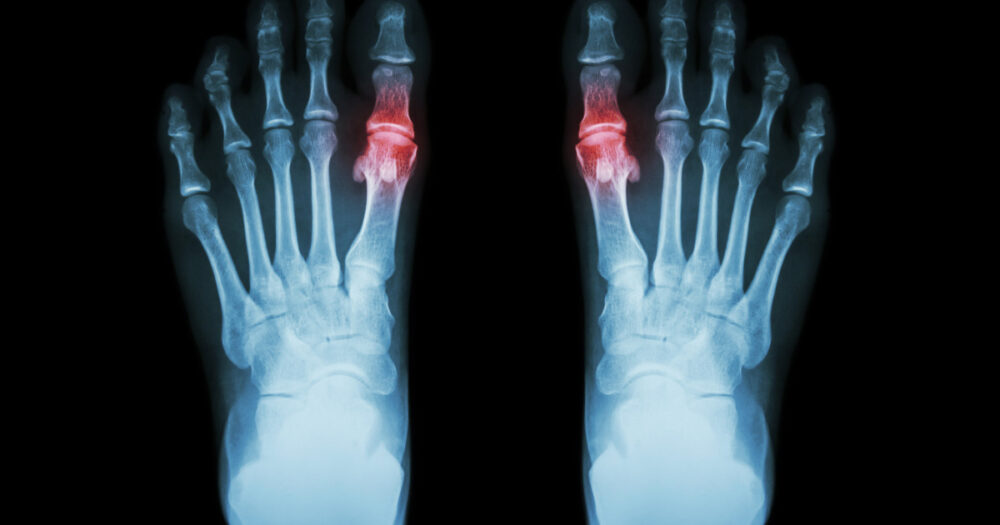
“Gout is a type of inflammatory arthritis that causes pain and swelling in the joints,” explains Clayton Keene, a nurse practitioner at Aurora Family Medicine in Oconto, Wis. “It occurs when high levels of urate accumulate in the body, which then forms crystals in and around joints.”

Your body produces uric acid as it breaks down purines, which are found in your body and some foods, such as red meat and some fish. According to the Arthritis Foundation, uric acid dissolves in your blood and exits the body as urine. If your kidneys can’t properly excrete it or if you consume a high purine diet, uric acid can build up, forming urate crystals.

“The most common symptom of gout is pain in the affected joint,” Keene advises. “Most people have their first flare of gout in the big toe; however, it can occur in other joints, too. Symptoms include increased pain, redness, swelling and stiffness.”

An estimated 8.3 million adults in the United States have been diagnosed with gout, according to the National Kidney Foundation. “Gout is more common in middle-aged men, and women are usually only at risk after menopause,” Keene adds.

Unfortunately, some believe gout is a lifestyle disease. “This stigma prevents patients from seeking care. Goutit can also be associated with family history, genetics and the patient’s functioning levels,” Keene states.

He highlights several factors that increase your risk, which include:
  • Having high urate levels
  • Having a family history of gout
  • Drinking beverages high in fructose corn syrup
  • Being advanced in age
  • Eating foods rich in purines

You may experience one gout attack in your lifetime or several flares a year. It can be diagnosed through a variety of tests.

Keene breaks down each diagnostic test:
  • Joint fluid test: Draws fluid from your affected joint with a needle. Urate crystals may be present when looking under a microscope.
  • Blood test: Measures the level of uric acid in your blood.
  • X-ray: Can rule out other causes of joint inflammation.
  • Ultrasound: Can detect urate crystals in joints or in tophi, which are nodules on joints that develop with chronic gout.

According to Keene, gout can only be diagnosed during a flare when the joint is inflamed. Once diagnosed, it can be treated through medication and lifestyle changes.

“Two types of medication are typically used,” Keene explains. “One helps reduce inflammation and pain and the second works to prevent gout by lowering the body’s uric acid.” Common treatments for initial flare-ups include NSAIDS, colchicine or corticosteroids. Medications such as allopurinol or uloric may be prescribed for chronic flares to reduce your body’s uric acid production.

Keene suggests the following lifestyle changes to prevent and manage potential flares:
  • Limiting alcohol and drinks sweetened with fructose corn syrup.
  • Reducing high purine foods, such as red meat, organ meat and some seafoods.
  • Exercising, especially low-impact activities such as walking, biking or swimming.

Do you have hip or knee pain? Take a free online quiz to learn more. 

This article originally appeared on health enews.

Share. Facebook Twitter Pinterest LinkedIn Reddit WhatsApp Telegram Email
Previous ArticleSaturday forecast: Rain expected in morning, then sunny conditions
Next Article Turning Ideas into Impact: Kristen Turner’s Safe Spots Seating Journey
staff

Related Posts

Alabama Burger Joint Cooking Up 200 Free Meals to Share ‘A Little Love’

Old Tradition, New Line: Black Line Dancers Create Community in Sacramento

Higher Love: Valentine’s Day Books for Embracing Spirituality

Comments are closed.

Video of the Week
https://www.youtube.com/watch?v=AxFXtgzTu4U
Advertisement
Video of the Week
https://www.youtube.com/watch?v=OjfvYnUXHuI
ABOUT US


The Windy City Word is a weekly newspaper that projects a positive image of the community it serves. It reflects life on the Greater West Side as seen by the people who live and work here.

OUR PICKS

Test Drive Cars Alone? Dealership Rules!

Trade School: Skip College, Start Earning Big Now!

Are Consumers Ready for Electric Pickup Trucks?

MOST POPULAR

Food Pyramid Blind Spots: What Supermarket Civil Rights Teaches Us 

Birmingham-Partnered Warming Station Will Open Sunday and Monday Nights

Empowering Black Parenting: Tips and Insights That Matter

© 2026 The Windy City Word. Site Designed by No Regret Medai.
  • Home
  • Lifestyle
  • Podcast
  • Contact Us

Type above and press Enter to search. Press Esc to cancel.