




Close Menu
  • Home
  • News
    • Local
  • Opinion
  • Business
  • Health
  • Education
  • Sports
  • Podcast

Subscribe to Updates

Get the latest creative news from FooBar about art, design and business.

What's Hot

Sickle Cell Advocates Sound Alarm as Georgia Bill Advances, Federal Dollars Bypass Black-Led Groups

Delaying Kindergarten May Have Limited Benefit

Delaying Kindergarten May Have Limited Benefit

Facebook X (Twitter) Instagram
  • Lifestyle
  • Podcast
  • Contact Us
Facebook X (Twitter) Instagram Pinterest Vimeo
The Windy City Word
  • Home
  • News
    1. Local
    2. View All

    Uncle Remus Says Similar Restaurant Name Is Diluting Its Brand and Misleading Customers

    Youth curfew vote stalled in Chicago City Council’s public safety committee

    Organizers, CBA Coalition pushback on proposed luxury hotel near Obama Presidential Center

    New petition calls for state oversight and new leadership at Roseland Community Hospital

    Sickle Cell Advocates Sound Alarm as Georgia Bill Advances, Federal Dollars Bypass Black-Led Groups

    A Clinical Perspective on Common Health Conditions Affecting Black Women

    Health Experts: Protect Yourself but No Need to Worry Yet About “Virus Without Vaccine” Spreading in California

    After Deep Federal Cuts, California Lawmakers Push for Full Restoration of Medi-Cal Benefits 

  • Opinion

    Capitalize on Slower Car Dealership Sales in 2025

    The High Cost Of Wealth Worship

    What Every Black Child Needs in the World

    Changing the Game: Westside Mom Shares Bally’s Job Experience with Son

    The Subtle Signs of Emotional Abuse: 10 Common Patterns

  • Business

    Illinois Department of Innovation & Technology supplier diversity office to host procurement webinar for vendors

    Crusader Publisher host Ukrainian Tech Businessmen eyeing Gary investment

    Sims applauds $220,000 in local Back to Business grants

    New Hire360 partnership to support diversity in local trades

    Taking your small business to the next level

  • Health

    Sickle Cell Advocates Sound Alarm as Georgia Bill Advances, Federal Dollars Bypass Black-Led Groups

    A Clinical Perspective on Common Health Conditions Affecting Black Women

    Health Experts: Protect Yourself but No Need to Worry Yet About “Virus Without Vaccine” Spreading in California

    After Deep Federal Cuts, California Lawmakers Push for Full Restoration of Medi-Cal Benefits 

    Grief, Advocacy, and Education: A Counselor Reflects on Black Maternal Health

  • Education

    Delaying Kindergarten May Have Limited Benefit

    The Many Names, and Many Roles, of Grandparents Today

    PRESS ROOM: PMG and Cranbrook Horizons-Upward Bound Launch Journey Fellowship Cohort 2

    Poll Shows Support for Policies That Help Families Afford Child Care

    Cuts to Childcare Grants Leave Rural Students in Limbo

  • Sports

    NBA: Hawks’ CJ McCollum made it work during a “storm”

    Skater Emmanuel Savary Sharpens Routines for the 2026 U.S. Championships

    NFL Divisional Round: The Schedule is Set

    NFL Divisional Round: The Schedule is Set

    A Jacksonville journalist brings humanity to an NFL Press Conference

  • Podcast
The Windy City Word
Health

Sickle Cell Advocates Sound Alarm as Georgia Bill Advances, Federal Dollars Bypass Black-Led Groups

staffBy staffUpdated:No Comments4 Mins Read
Facebook Twitter Pinterest Telegram LinkedIn Tumblr Email Reddit
Share
Facebook Twitter LinkedIn Pinterest WhatsApp Email

By Alexandria Green Jones

As momentum builds around new sickle cell legislation in Georgia, advocates say a deeper issue continues to threaten the very communities the disease impacts most. Black-led organizations on the front lines are still being shut out of critical funding.

The urgency grew on March 26, 2026, when the Sickle Cell Disease Protection Act advanced out of the Georgia Senate Health and Human Services Committee. While the bill still must clear the Senate floor, return to the House, and ultimately reach the governor’s desk, its movement has renewed attention around the fight for equitable support for sickle cell patients and the organizations serving them.

At the same time, frustration is mounting over how federal sickle cell funding is being distributed. In February, Congress approved a fiscal package that included more than $20 million for sickle cell programs. But many Black-led organizations doing direct, community-based work say they are not seeing those dollars.

Instead, advocates argue, much of the money is being directed to larger white-led organizations that are often far removed from the day-to-day realities of families living with sickle cell disease and may not reinvest those resources directly back into the communities most affected.

For Dr. Lakiea Bailey, the issue is both personal and political.

Diagnosed with sickle cell disease at age 3, Bailey endured multiple surgeries and repeated hospitalizations throughout her life. Despite those challenges, she went on to earn a bachelor’s degree in biochemistry and molecular biology and later a doctorate in molecular hematology and regenerative medicine.

“As someone who has lived with sickle cell disease since childhood, I know firsthand that community support can mean the difference between surviving and truly living. That is why investing in community-based organizations is not optional. It is essential,” said Dr. Bailey.

After seeing firsthand how many people living with sickle cell disease struggled to access adequate treatment and resources, Bailey founded the Sickle Cell Community Consortium. The organization was created to bring together patients, caregivers, community-based organizations, researchers, and health care leaders to address the urgent and often overlooked needs of the sickle cell community.
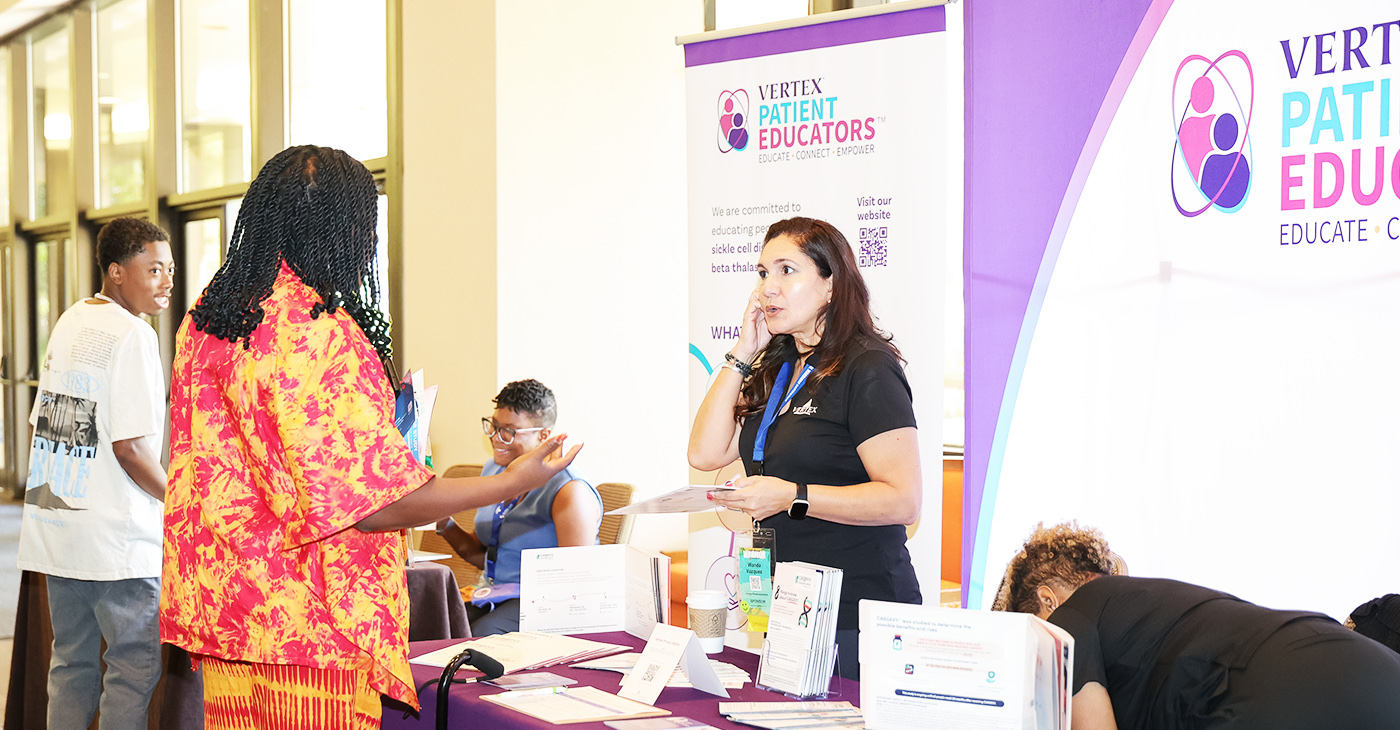
Now, as legislative conversations continue, Bailey and other advocates are calling attention to what they see as a painful contradiction: sickle cell disease is finally gaining more visibility in policy spaces, but the Black-led groups with the deepest roots in impacted communities are still being left out of the funding conversation.

“For too long, Black-led organizations have been expected to do the hardest work with the fewest resources,” said Dr. Bailey. “It is deeply troubling to see millions allocated for sickle cell programs while the very organizations rooted in the community are being shut out. If the goal is to help patients, the dollars must reach the people doing the work on the ground every single day.”

That exclusion, advocates say, has real consequences. Community-based organizations are often the first to help families navigate care, connect patients to resources, provide education, and push for policy change. Without equitable access to funding, many say the work becomes harder to sustain, even as the need continues to grow.

The debate also highlights a broader concern that has long followed public health funding, whether resources meant to address disparities are truly reaching the people and institutions closest to the problem.

For Bailey, the answer must include intentional investment in Black-led organizations with proven ties to the sickle cell community.

“We cannot keep celebrating progress in legislation while ignoring the inequity in funding. Visibility without investment is not justice,” Dr. Bailey explained. “If lawmakers and decision-makers are serious about changing outcomes for sickle cell patients, then they must also be serious about funding the Black-led organizations. The Black community built the advocacy, carried the burden, and sounded the alarm on sickle cell. We should not have to beg for a seat at a table we built.”
As Georgia lawmakers weigh the future of the Sickle Cell Disease Protection Act, advocates say the larger question cannot be ignored: Who is being trusted to lead this work, and who is being left behind?

For families living with sickle cell disease, that answer could shape far more than policy. This could determine the alignment of awareness with action and the allocation of funding to the communities that have been fighting this battle for generations.

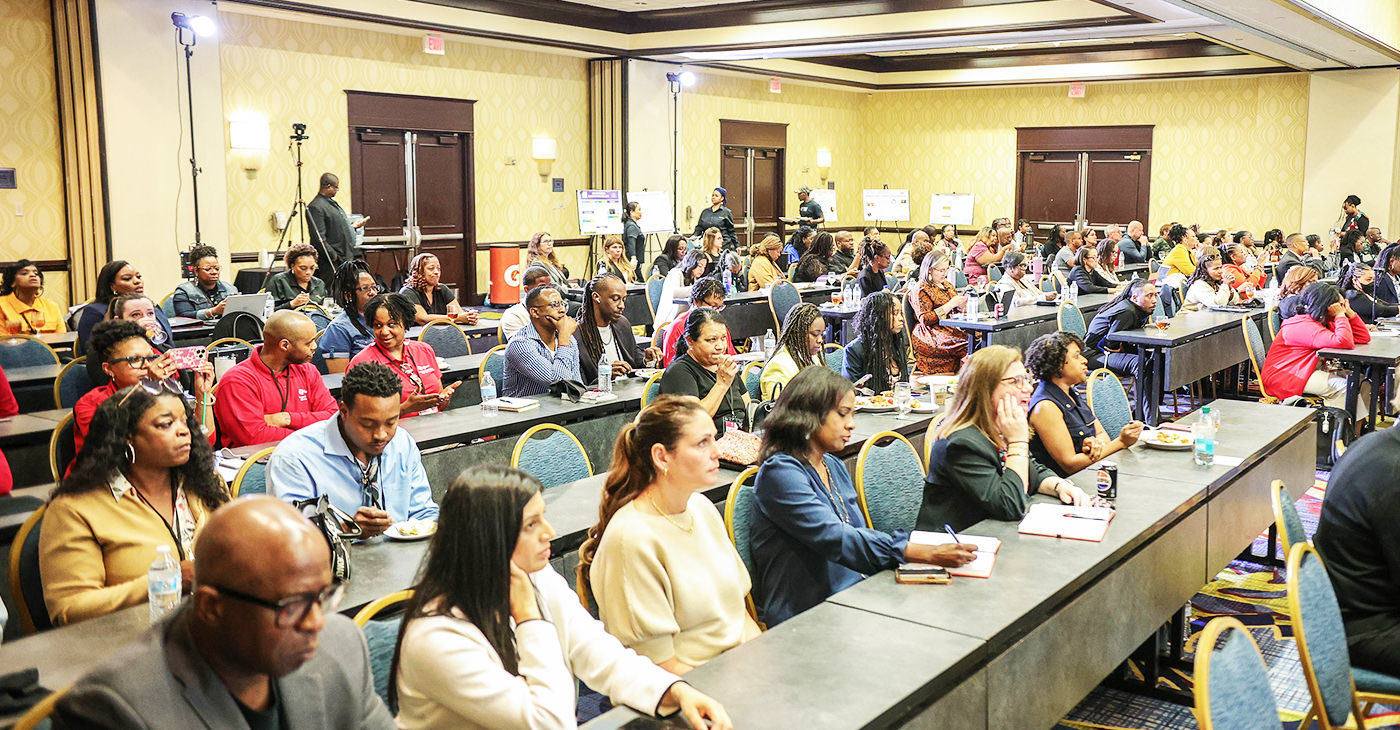
From April 7 to 11, Dr. Bailey will host the largest convening of Sickle Cell patients, Advocates, physicians, and the community at The Westin Atlanta Airport, 4736 Best Road, Atlanta, Georgia.

“This moment represents more than a convening; it represents alignment,” said Dr. Lakiea Bailey, Founder and Executive Director of the Sickle Cell Consortium. “By bringing together leadership, community voice, and national strategy in one coordinated effort, we are creating space for real progress and collective impact.”
Register: 2026leadershipsummit
Share. Facebook Twitter Pinterest LinkedIn Reddit WhatsApp Telegram Email
Previous ArticleDelaying Kindergarten May Have Limited Benefit
staff

Related Posts

A Clinical Perspective on Common Health Conditions Affecting Black Women

Health Experts: Protect Yourself but No Need to Worry Yet About “Virus Without Vaccine” Spreading in California

After Deep Federal Cuts, California Lawmakers Push for Full Restoration of Medi-Cal Benefits 

Leave A Reply Cancel Reply

Video of the Week
https://www.youtube.com/watch?v=AxFXtgzTu4U
Advertisement
Video of the Week
https://www.youtube.com/watch?v=OjfvYnUXHuI
ABOUT US


The Windy City Word is a weekly newspaper that projects a positive image of the community it serves. It reflects life on the Greater West Side as seen by the people who live and work here.

OUR PICKS

2025 Audi S Q5 Walkaround and POV Test Drive in Aspen, CO

Luxury SUV Interior Seats, Touchscreen, & Tech

2 Minute Warning LIVEstream – “Barred from Father’s Day but not love”

MOST POPULAR

Sickle Cell Advocates Sound Alarm as Georgia Bill Advances, Federal Dollars Bypass Black-Led Groups

A Clinical Perspective on Common Health Conditions Affecting Black Women

Health Experts: Protect Yourself but No Need to Worry Yet About “Virus Without Vaccine” Spreading in California

© 2026 The Windy City Word. Site Designed by No Regret Medai.
  • Home
  • Lifestyle
  • Podcast
  • Contact Us

Type above and press Enter to search. Press Esc to cancel.