

Close Menu
  • Home
  • News
    • Local
  • Opinion
  • Business
  • Health
  • Education
  • Sports
  • Podcast

Subscribe to Updates

Get the latest creative news from FooBar about art, design and business.

What's Hot

VoChill

Don Lemon Made the Headlines, but Georgia Fort’s Arrest Shows No Journalist Is Safe

Black Educators, Others Reimagine Future of Education

Facebook X (Twitter) Instagram
  • Lifestyle
  • Podcast
  • Contact Us
Facebook X (Twitter) Instagram Pinterest Vimeo
The Windy City Word
  • Home
  • News
    1. Local
    2. View All

    Uncle Remus Says Similar Restaurant Name Is Diluting Its Brand and Misleading Customers

    Youth curfew vote stalled in Chicago City Council’s public safety committee

    Organizers, CBA Coalition pushback on proposed luxury hotel near Obama Presidential Center

    New petition calls for state oversight and new leadership at Roseland Community Hospital

    NBA: Hawks’ CJ McCollum made it work during a “storm”

    Birmingham-Partnered Warming Station Will Open Sunday and Monday Nights

    Skater Emmanuel Savary Sharpens Routines for the 2026 U.S. Championships

    NFL Divisional Round: The Schedule is Set

  • Opinion

    Capitalize on Slower Car Dealership Sales in 2025

    The High Cost Of Wealth Worship

    What Every Black Child Needs in the World

    Changing the Game: Westside Mom Shares Bally’s Job Experience with Son

    The Subtle Signs of Emotional Abuse: 10 Common Patterns

  • Business

    Illinois Department of Innovation & Technology supplier diversity office to host procurement webinar for vendors

    Crusader Publisher host Ukrainian Tech Businessmen eyeing Gary investment

    Sims applauds $220,000 in local Back to Business grants

    New Hire360 partnership to support diversity in local trades

    Taking your small business to the next level

  • Health

    Birmingham-Partnered Warming Station Will Open Sunday and Monday Nights

    Empowering Black Parenting: Tips and Insights That Matter

    Why Tracking Racial Disparities in Special Education Still Matters 

    Dying From a Name: Racism, Resentment, and Politics in Health Care Are Even More Unaffordable

    Rural America Faces the First Cut as ACA Support Hits a High

  • Education

    Black Educators, Others Reimagine Future of Education

    OP-ED: Economic Empowerment Has Always Been a Part of Black History

    “What About People Like Me?” Teaching Preschoolers About Segregation and “Peace Heroes”

    How We’re Helping Students Succeed in the Classroom and in Life

    Behind the Glass: Exploring the Evolution of the New-Look UAB

  • Sports

    NBA: Hawks’ CJ McCollum made it work during a “storm”

    Skater Emmanuel Savary Sharpens Routines for the 2026 U.S. Championships

    NFL Divisional Round: The Schedule is Set

    NFL Divisional Round: The Schedule is Set

    A Jacksonville journalist brings humanity to an NFL Press Conference

  • Podcast
The Windy City Word
Education

Seven Steps to Help Your Child Build Meaningful Connections

staffBy staffUpdated:No Comments3 Mins Read
Facebook Twitter Pinterest Telegram LinkedIn Tumblr Email Reddit
Share
Facebook Twitter LinkedIn Pinterest WhatsApp Email

By Niyoka McCoy, Ed.D., Chief Learning Officer, Stride/K12

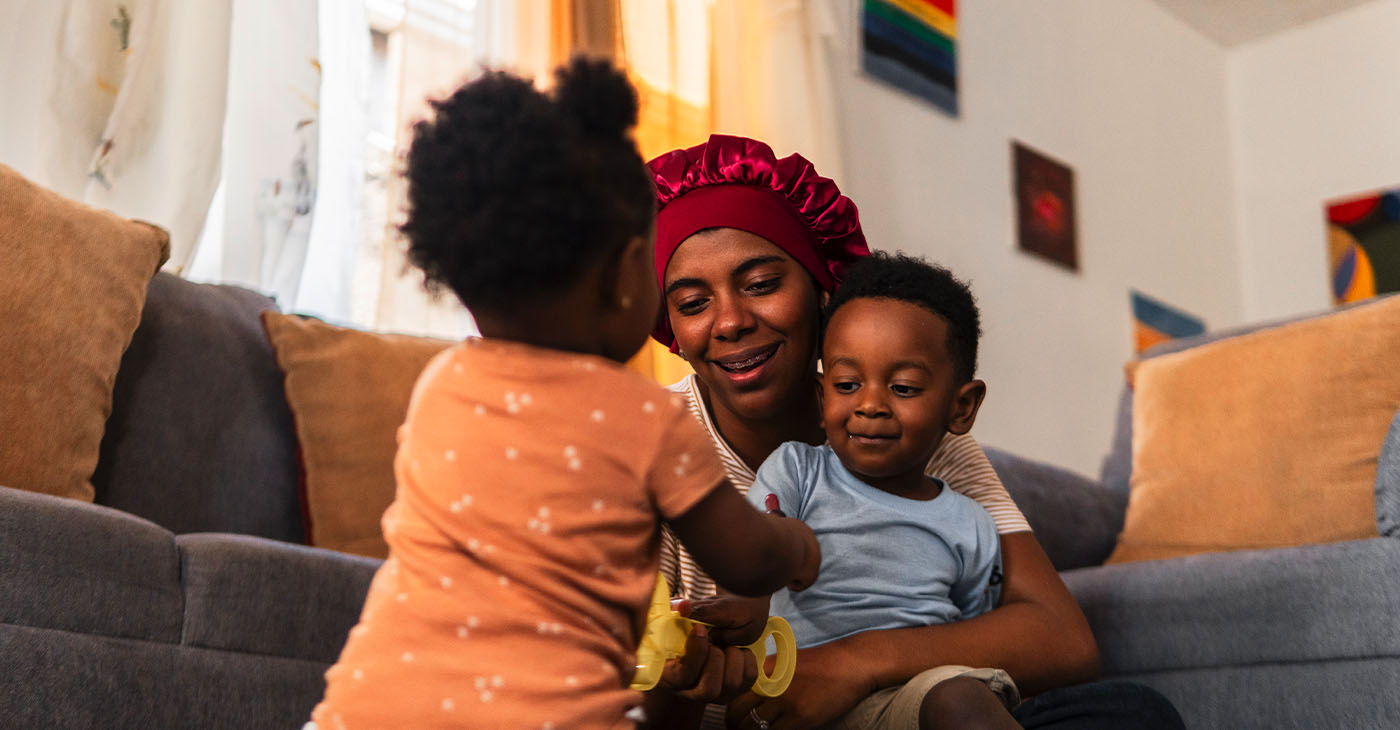
Swinging side by side with a friend on the playground. Sharing chalk over bright, colorful sidewalk drawings. Hiding behind a tree during a spirited game of hide-and-seek. These simple moments between children may seem small, but they matter more than we think: They lay the foundation for some of life’s most important skills.

Through everyday play, young children begin learning essential social and emotional skills like sharing, resolving conflicts, showing empathy, and managing their emotions. These social skills help shape emotional growth and set kids up for long-term success. Socialization in early childhood isn’t just a “nice-to-have”—it’s essential for development.

Yet today, many young children who haven’t yet started school aren’t getting enough consistent, meaningful interaction with peers. Research shows that there’s a decline in active free play and peer socialization when compared to previous generations.

There are many reasons for this. Children who are home with a parent during the day may spend most of their time with adults, limiting opportunities for peer play. Those in daycare or preschool may have restricted free play, and large classrooms can reduce supervision and social coaching. Some children live in rural areas, are homebound due to illness, have full schedules, or rely on screens to fill their playtime. And for some families, finding other families with young children to connect with isn’t easy.

While these challenges can feel significant, opportunities for connection still exist in every community. Families can take simple steps to help children build friendships, create a sense of belonging, and strengthen social skills. Here are some ideas to get started:

  • Storytime sessions at libraries or local bookstores
  • Community offerings such as parent-child workshops, art, music, gymnastics, swimming, or sports programs
  • Weekly events at children’s museums, which may include art projects, music workshops, or science experiments
  • Outdoor exploration, where kids can play with peers
  • Local parenting groups that organize playdates and group activities
  • Volunteer opportunities where children can participate, such as pet adoption events or packing meals at a food bank
  • Classes for kids at local businesses, including hardware, grocery, or craft stores

Some of these community activities are free or low-cost and give kids the chance to build friendships and practice social skills. Parents can also model positive social behavior by interacting with other parents and encouraging their children to play with their peers.

These may seem like small moments of connection, but they can have a powerful impact. Every time your child shares a toy, plays make-believe with peers, or races a friend down the slide, they’re not just playing—they’re learning the skills that build confidence, empathy, and lasting friendships. And it’s good for you, too. Creating intentional opportunities for play also helps you strengthen your own network of parents who can support one another as your children grow together.

Share. Facebook Twitter Pinterest LinkedIn Reddit WhatsApp Telegram Email
Previous ArticleTeens Reject Today’s News as Trump Intensifies His Assault on the Press
Next Article LIHEAP Funds Released After Weeks of Delay as States and the District Rush to Protect Households from the Cold
staff

Related Posts

VoChill

Don Lemon Made the Headlines, but Georgia Fort’s Arrest Shows No Journalist Is Safe

Black Educators, Others Reimagine Future of Education

Leave A Reply Cancel Reply

Video of the Week
https://www.youtube.com/watch?v=AxFXtgzTu4U
Advertisement
Video of the Week
https://www.youtube.com/watch?v=OjfvYnUXHuI
ABOUT US


The Windy City Word is a weekly newspaper that projects a positive image of the community it serves. It reflects life on the Greater West Side as seen by the people who live and work here.

OUR PICKS

Biden-⁠Harris Administration Announces $1.3 Billion in Additional Funding for HBCUs

2025 Audi S Q5 Walkaround and POV Test Drive in Aspen, CO

André 3000 played his flute on the West Side like a true Outkast would

MOST POPULAR

Birmingham-Partnered Warming Station Will Open Sunday and Monday Nights

Empowering Black Parenting: Tips and Insights That Matter

Why Tracking Racial Disparities in Special Education Still Matters 

© 2026 The Windy City Word. Site Designed by No Regret Medai.
  • Home
  • Lifestyle
  • Podcast
  • Contact Us

Type above and press Enter to search. Press Esc to cancel.