



Close Menu
  • Home
  • News
    • Local
  • Opinion
  • Business
  • Health
  • Education
  • Sports
  • Podcast

Subscribe to Updates

Get the latest creative news from FooBar about art, design and business.

What's Hot

What You Need to Know About The 83rd Golden Globes Awards

Empowering Black Parenting: Tips and Insights That Matter

Empowering Black Parenting: Tips and Insights That Matter

Facebook X (Twitter) Instagram
  • Lifestyle
  • Podcast
  • Contact Us
Facebook X (Twitter) Instagram Pinterest Vimeo
The Windy City Word
  • Home
  • News
    1. Local
    2. View All

    Uncle Remus Says Similar Restaurant Name Is Diluting Its Brand and Misleading Customers

    Youth curfew vote stalled in Chicago City Council’s public safety committee

    Organizers, CBA Coalition pushback on proposed luxury hotel near Obama Presidential Center

    New petition calls for state oversight and new leadership at Roseland Community Hospital

    Empowering Black Parenting: Tips and Insights That Matter

    The Awkward Trade: Trae Young heads to the Washington Wizards

    Trump’s Erasure Campaign Reaches Langston Golf Course

    Why Tracking Racial Disparities in Special Education Still Matters 

  • Opinion

    Capitalize on Slower Car Dealership Sales in 2025

    The High Cost Of Wealth Worship

    What Every Black Child Needs in the World

    Changing the Game: Westside Mom Shares Bally’s Job Experience with Son

    The Subtle Signs of Emotional Abuse: 10 Common Patterns

  • Business

    Illinois Department of Innovation & Technology supplier diversity office to host procurement webinar for vendors

    Crusader Publisher host Ukrainian Tech Businessmen eyeing Gary investment

    Sims applauds $220,000 in local Back to Business grants

    New Hire360 partnership to support diversity in local trades

    Taking your small business to the next level

  • Health

    Empowering Black Parenting: Tips and Insights That Matter

    Why Tracking Racial Disparities in Special Education Still Matters 

    Dying From a Name: Racism, Resentment, and Politics in Health Care Are Even More Unaffordable

    Rural America Faces the First Cut as ACA Support Hits a High

    A World Pulled Backward: Child Deaths Rise as Global Health Collapses Under Funding Cuts

  • Education

    COMMENTARY: Structural Inequality Undermines Jamaica’s Schools

    Educating the Early Childhood Educators

    School Choice Is a Path Forward for Our Communities

    42nd Annual UNCF Mayor’s Masked Ball To Raise Funds & Awareness For HBCU Students

    It’s Time to Dream Bigger About What School Could Be

  • Sports

    The Awkward Trade: Trae Young heads to the Washington Wizards

    Trump’s Erasure Campaign Reaches Langston Golf Course

    NFL Week 18: Playoff Scenarios Include two “Win or Go Home”

    NFL Week 17: The Playoff Picture Comes into Sharper Focus

    NFL Week 16: The Playoff Picture and Clinching Scenarios

  • Podcast
The Windy City Word
Featured

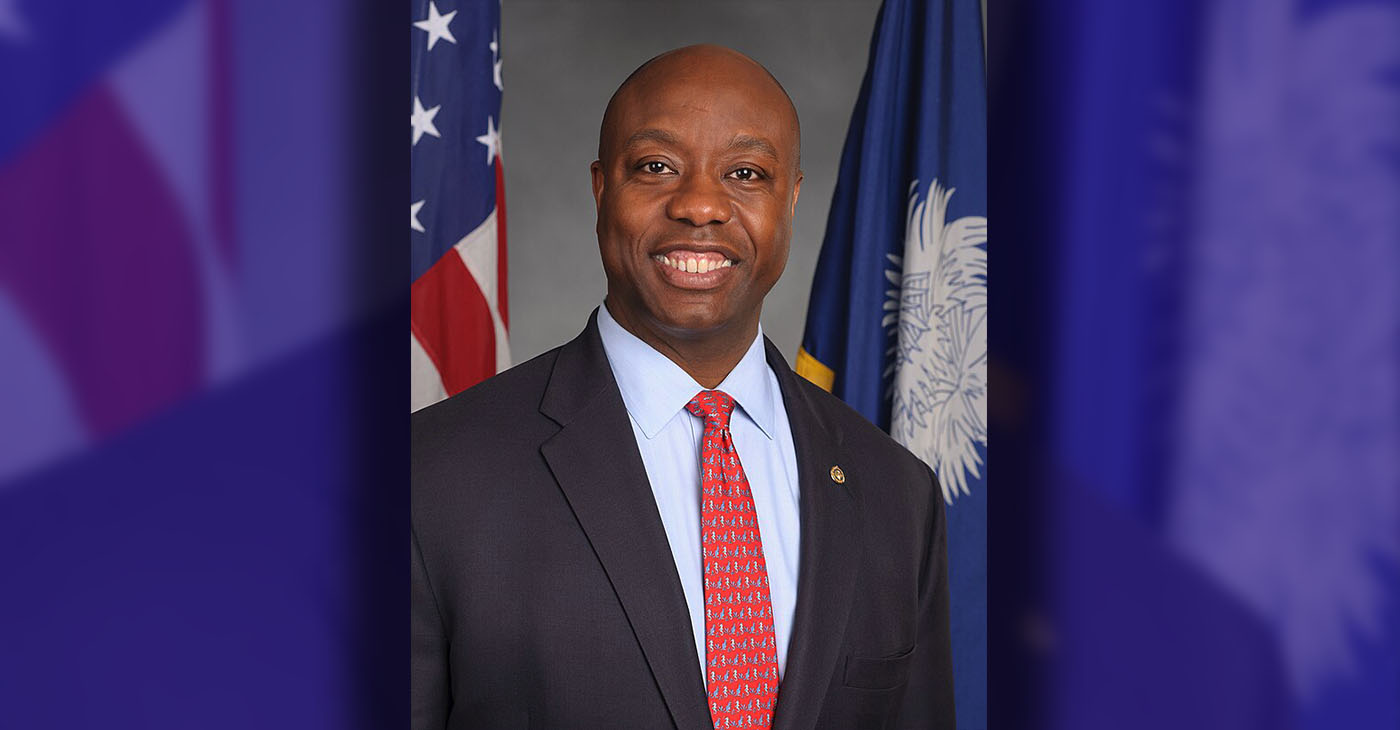
Sen. Tim Scott is Wrong – The New Tax Law Fuels Inequality, Strips Healthcare, and Displaces Black Communities

staffBy staffUpdated:No Comments3 Mins Read
Facebook Twitter Pinterest Telegram LinkedIn Tumblr Email Reddit
Share
Facebook Twitter LinkedIn Pinterest WhatsApp Email

By Stacy M. Brown
Black Press USA Senior National Correspondent

The legislation President Donald Trump signed into law on July 4—celebrated by Republican Sen. Tim Scott as a milestone of “fiscal responsibility” and “opportunity”—is, in fact, a sprawling blueprint for further concentrating wealth, destabilizing public schools, and stripping resources from Black communities. While Scott touted the bill as a transformative achievement for American families, independent analyses paint a different picture. The Committee for a Responsible Federal Budget projects the law will add trillions to the deficit over the next decade, driven by permanent corporate tax cuts and expanded defense spending. That debt load will almost certainly trigger future demands to slash Medicaid, SNAP, and housing assistance programs essential to millions of Black families.

Scott, who is Black, repeatedly claimed that the law delivers tax relief to working people; however, the Tax Policy Center estimates that the wealthiest 1% of households will collect the majority of tax benefits, averaging more than $60,000 per year. By contrast, the average middle-income household—where most Black families fall—will see only temporary, modest reductions, many of which expire in five years. Among the most dangerous provisions is the permanent expansion of the Opportunity Zone program, which Scott called “maximizing community impact.” Multiple studies, including those by the Government Accountability Office and the Brookings Institution, have found that Opportunity Zones have largely failed to reduce poverty or lift incomes for residents. Instead, they have accelerated gentrification, pushing long-time Black families and small businesses out of their neighborhoods as investors rush in to extract profit.

The law’s new permanent school choice tax credit has been framed as a lifeline for low-income children, but the reality is that it primarily benefits those who are already able to afford private school tuition. Public education researchers have warned that this diversion of public funding will deepen educational disparities that trap Black students in under-resourced schools while wealthier families receive tax subsidies. The repeal of Section 899, a tax provision that imposed penalties on certain foreign-owned corporations, was labeled by Scott as a job creator. Yet tax policy experts agree there is no evidence this giveaway will generate employment. What is certain is that multinational corporations will pocket billions in tax savings, while Black workers are left to hope for trickle-down benefits that rarely materialize.

Even as lawmakers made corporate tax cuts permanent, they allowed the expanded Child Tax Credit—responsible for record reductions in Black child poverty in recent years—to remain expired. In its place, the law provides structural tax advantages to investors and business owners, making it more difficult for Black families to build wealth or afford rising housing costs. The result is a sweeping law that strengthens systemic inequities under the banner of prosperity. House Democratic Leader Hakeem Jeffries put it bluntly: “The One Big Ugly Bill hurts everyday Americans and rewards billionaires. It’s the largest attack on healthcare in American history. More than 17 million people will lose their healthcare as a result… folks are going to die across the United States of America.”


Share. Facebook Twitter Pinterest LinkedIn Reddit WhatsApp Telegram Email
Previous ArticleTalent Over Tokenism: Black Mayors Slash Crime Despite Media Silence
Next Article Trump’s ‘Big Ugly Bill’ Puts Millions of Lives at Risk
staff

Related Posts

What You Need to Know About The 83rd Golden Globes Awards

Empowering Black Parenting: Tips and Insights That Matter

IN MEMORIAM: Thomas H. Watkins Built What Black Media Was Told Could Not Last

Leave A Reply Cancel Reply

Video of the Week
https://www.youtube.com/watch?v=AxFXtgzTu4U
Advertisement
Video of the Week
https://www.youtube.com/watch?v=OjfvYnUXHuI
ABOUT US


The Windy City Word is a weekly newspaper that projects a positive image of the community it serves. It reflects life on the Greater West Side as seen by the people who live and work here.

OUR PICKS

Chevrolet Traverse Marketing

Best Walk Through theToyota Lexus Museum 360 Video

2 Minute Warning – A Community Conversation

MOST POPULAR

Empowering Black Parenting: Tips and Insights That Matter

Why Tracking Racial Disparities in Special Education Still Matters 

Dying From a Name: Racism, Resentment, and Politics in Health Care Are Even More Unaffordable

© 2026 The Windy City Word. Site Designed by No Regret Medai.
  • Home
  • Lifestyle
  • Podcast
  • Contact Us

Type above and press Enter to search. Press Esc to cancel.