




By Stacy M. Brown
NNPA Newswire Senior National Correspondent
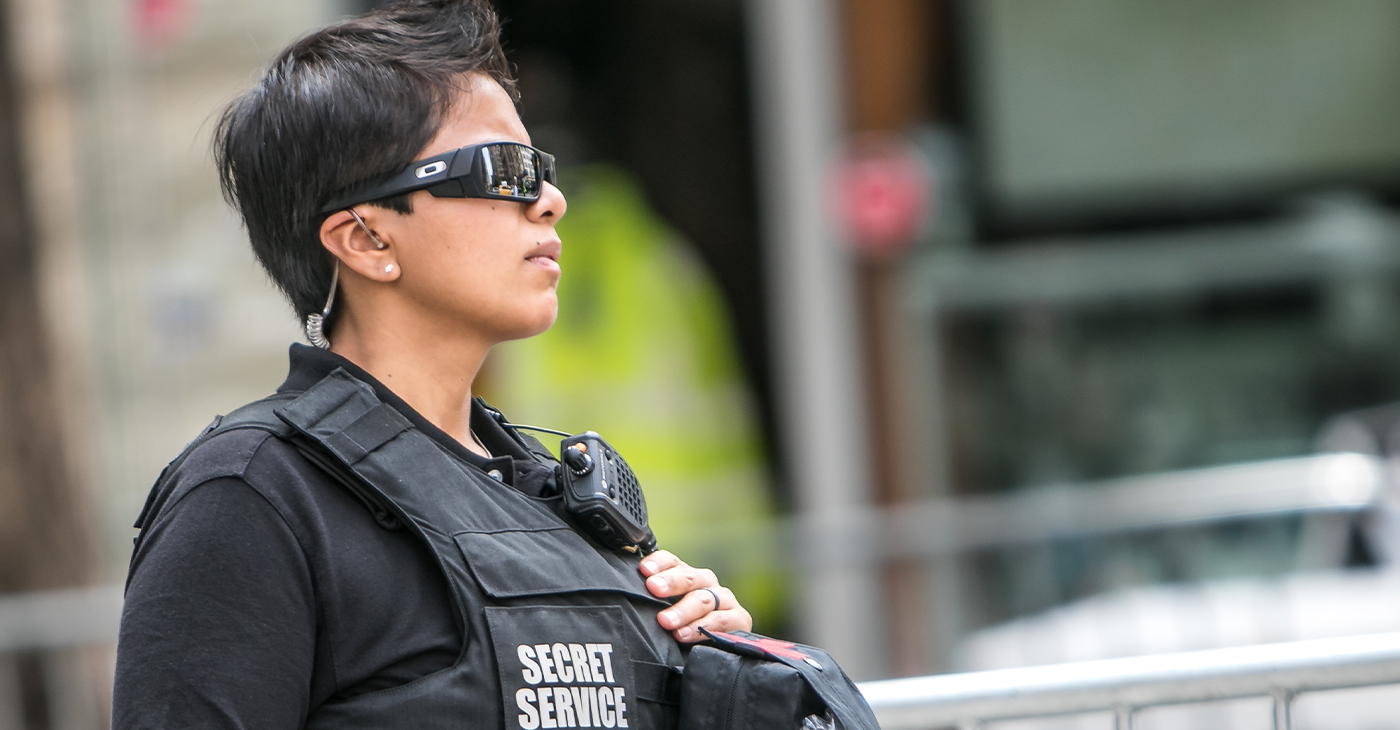
The U.S. Secret Service is preparing for one of the largest expansions in its history as officials confront what they describe as an unprecedented volume of credible threats, fueled by escalating global tensions and a series of aggressive U.S. actions overseas that have triggered unrest at home and abroad.
The agency plans to hire roughly 4,000 new employees by 2028, a surge that would increase its workforce by about 20 percent, according to internal planning documents and senior officials familiar with the effort. The expansion comes as the United States faces heightened security demands following military operations in Venezuela and Nigeria, along with continued threats and warnings directed at Cuba, Greenland, Colombia, Mexico, and other sovereign nations.
The strain on federal protection services became visible over the weekend as Venezuelan President Nicolás Maduro was transported under heavy guard to federal court in Manhattan, prompting protests across the United States and overseas. Demonstrations erupted in Washington, New York, Chicago, Detroit, Minneapolis, and San Francisco, while crowds gathered in Bogotá, Caracas, and other cities to denounce the U.S. operation that removed Maduro from power.
Outside the Metropolitan Detention Center in Brooklyn, protesters questioned the scope of American authority.
“What’s stopping Trump from doing this to other countries?” said Zoe Alexandra of the ANSWER Coalition.
The Secret Service has not publicly tied its expansion to any single event, but officials acknowledge that the protective mission has grown sharply. The agency is responsible for safeguarding the president, former presidents, visiting foreign leaders, major political candidates, and major public events, while responding to a surge in online and direct threats deemed credible by investigators.
Deputy Director Matthew Quinn said the agency’s workload has outpaced its staffing levels.
“Our numbers are low to meet those needs,” Quinn said.
Internal projections show the Secret Service aiming to increase its special agent ranks from about 3,500 to roughly 5,000, while adding hundreds of officers to the Uniformed Division and expanding specialized units, including counter-sniper teams, emergency response units, and canine explosives detection teams.
To attract recruits, the agency is offering some of the largest bonuses in federal law enforcement, with incentives reaching up to $60,000 for certain roles, including counter assault, counter sniper, and hazardous response positions.
The expansion effort unfolds during volatile international rumbles. The U.S. capture of Maduro has drawn condemnation from several world leaders, including Colombian President Gustavo Petro, who accused powerful interests of driving military escalation.
“A clan of pedophiles wants to destroy our democracy,” Petro said. “To keep Epstein’s list from coming out, they send warships to kill fishermen and threaten our neighbor with invasion for their oil.”
Inside the United States, lawmakers from both parties raised questions about the legality of the action and the precedent it could set. Some warned that escalating confrontations abroad increase the risk of retaliation at home, placing additional pressure on already stretched security agencies.
Former Department of Homeland Security Secretary Janet Napolitano said the agency faces steep obstacles.
“They are going to have to turn headquarters into a hiring machine,” Napolitano said.
As the Secret Service prepares for the 2028 presidential election cycle and the Los Angeles Olympics, officials acknowledge that even a successful expansion may not ease the pressure quickly.
“No matter what,” Quinn said, “it’s still going to be a rough summer.”