




By Tracy Chiles McGhee | Word In Black
As America prepares to celebrate 250 years of independence, a federal reading initiative reveals a glaring truth: the nation is still telling its story without Black women.
Anniversaries like America’s 250th anniversary of the signing of the Declaration of Independence reveal not only what is celebrated, but what is omitted and whose stories are positioned as central to the national memory. For example, out of the 24 titles included in the National Endowment for the Arts’ Big Read 2026-2027 Honoring America250 library, none are written by Black women.
The breakdown: 14 by white men, five by white women, three by Black men, one by a Native American woman, one by a Latina woman, and ZERO by Black women.
The absence of Black women authors spans genres — nonfiction, fiction, and poetry — excluding voices that have been foundational to American literature, American history, and American evolution. When Black women’s voices are missing from a high-profile national initiative, particularly at a moment of official commemoration, it reinforces a long-standing imbalance in how American literature is framed, funded, and circulated.
Shaping the Stories America Tells
For the 2026–27 grant cycle, NEA, through a partnership with Midwest, will award more than $1 million in project grants, ranging from $5,000 to $20,000, to organizations across the country. These grants support community-wide reading programs built around a single book selected from a curated library of 24 titles, all connected to the theme America250.
According to NEA, this cycle is designed to honor America’s rich artistic and cultural heritage, elevate a wide variety of voices and perspectives, inspire meaningful conversations, and strengthen community connections through shared reading. Grantees are encouraged to design expansive programming such as book discussions, lectures, writing workshops, panel conversations, performances, film screenings, poetry readings and community storytelling events, all using the selected book as a foundation for civic engagement and creative exploration.
It is a powerful model. Books, after all, remain among our most enduring civic tools. Yet the current offering reveals a clear and consequential gap. The omission is not symbolic. It’s structural — entrenched in the American spine that supports mythologies that are resolute, resistant to diverse stories and perspectives.
Black Women Writers and the National Canon
Consider how even this limited list of notable works from Black women broadens the reflective lens and adds to the national discussion:
“Poems on Various Subjects, Religious and Moral” (1773)
By Phillis Wheatley
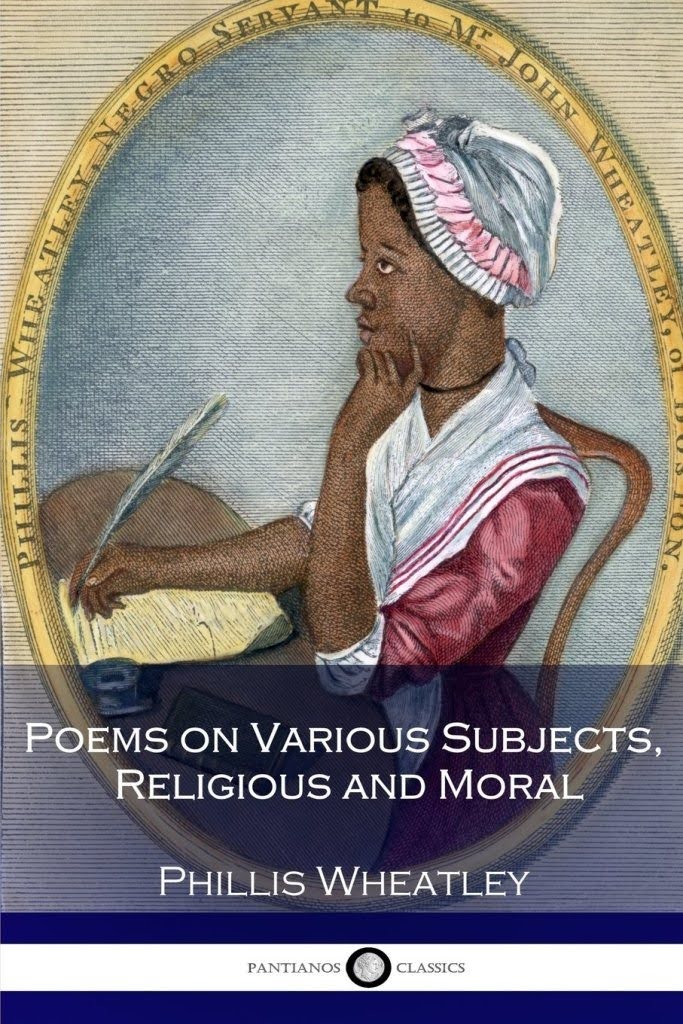
One of the earliest published American poets, Wheatley directly engages the nation’s founding era. Her work challenges long-held assumptions about who has been allowed to speak and be heard within the American literary tradition.
“Their Eyes Were Watching God” (1937)
By Zora Neale Hurston
Rooted in Black Southern life and folklore, Hurston’s novel remains one of the most widely taught and beloved works in the American canon, celebrating voice, self-definition and interior freedom.
“Annie Allen” (1949)
By Gwendolyn Brooks
Brooks’ Pulitzer Prize–winning collection captures everyday American life with precision and empathy, bridging personal experience and social reality in ways that continue to connect generations and communities.
“I Know Why the Caged Bird Sings” (1969)
By Maya Angelou
A groundbreaking memoir that chronicles Angelou’s early life in the Jim Crow South and the power of language, resilience and self-definition. A foundational American text, it invites community-wide conversations about race, gender, trauma and the redemptive force of storytelling.
“Beloved” (1987)
By Toni Morrison
One of the most significant novels in American literature, Beloved confronts the legacy of slavery with unmatched depth and care, inviting sustained conversations about memory, trauma, love and liberation.
“Blessing the Boats” (2000)
By Lucille Clifton
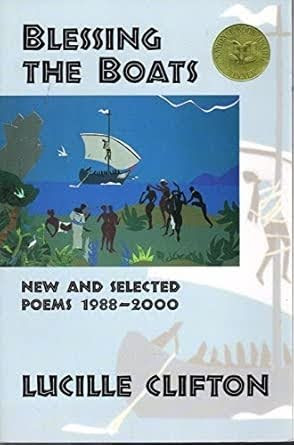
Clifton’s poetry offers language that is precise, intimate, and resonant—particularly well suited for communal reading, reflection and performance. The book won the 2000 National Book Award for Poetry.
“The Hemingses of Monticello” (2008)
By Annette Gordon-Reed
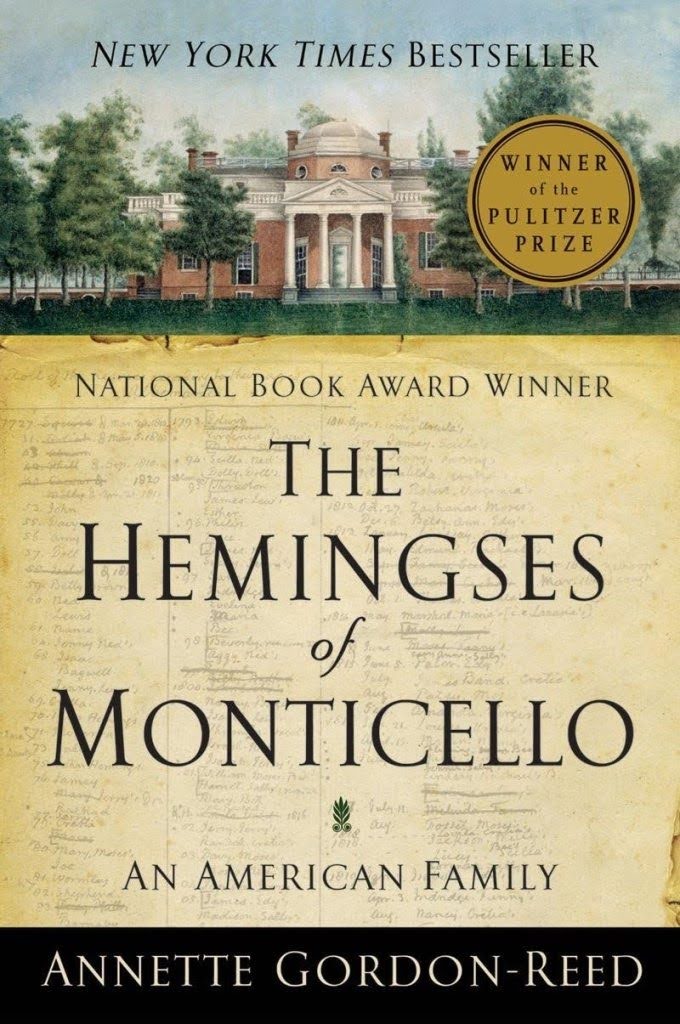
A Pulitzer Prize–winning reexamination of America’s founding myths, Gordon-Reed’s scholarship models historical rigor, ethical storytelling and intellectual courage, revealing the intertwined histories of race, power and democracy.
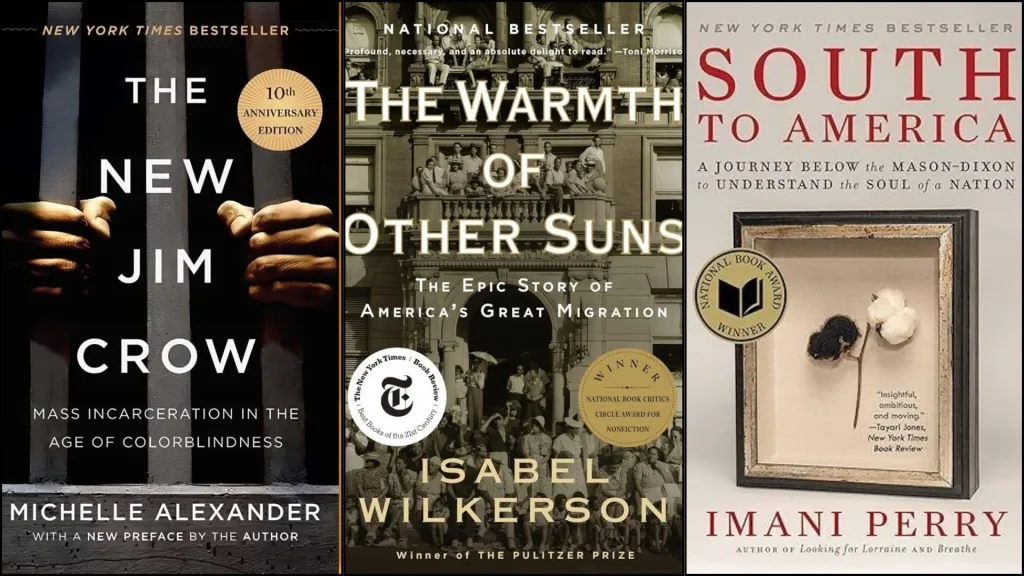
“The Warmth of Other Suns” (2010)
By Isabel Wilkerson
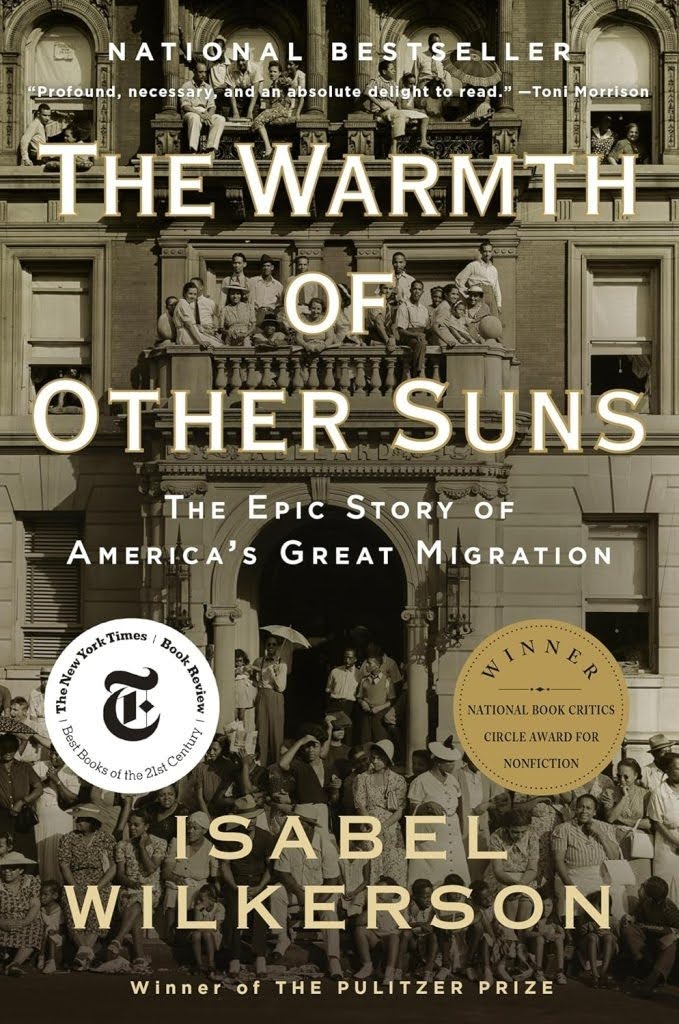
A landmark narrative of the Great Migration, Wilkerson’s book, a National Book Critics Circle award–winning work, reframes 20th-century American history through the intimate lives of those who moved in search of opportunity and freedom. It invites intergenerational dialogue and deep community reflection.
“The New Jim Crow” (2010)
By Michelle Alexander
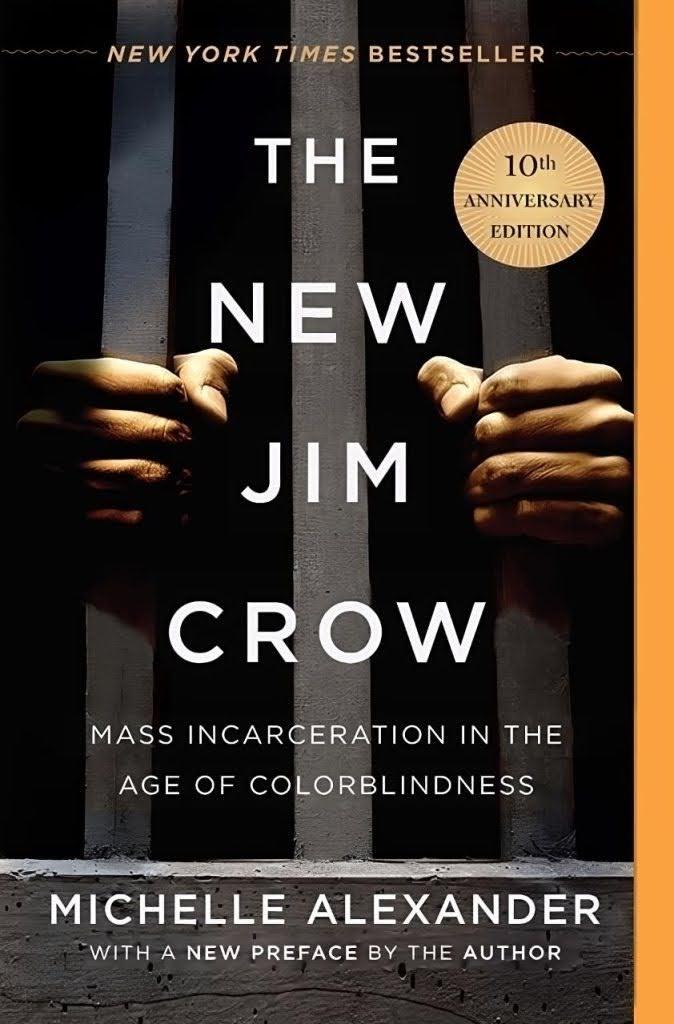
Winner of an NAACP Image Award for Outstanding Literary Work (Nonfiction), Alexander’s book exposes mass incarceration as a contemporary system of racial caste. Few books have so profoundly shaped public understanding of the U.S. criminal legal system, inspiring reading groups, policy debates, and grassroots education efforts nationwide.
“South to America: A Journey Below the Mason-Dixon to Understand the Soul of a Nation” (2022)
By Imani Perry
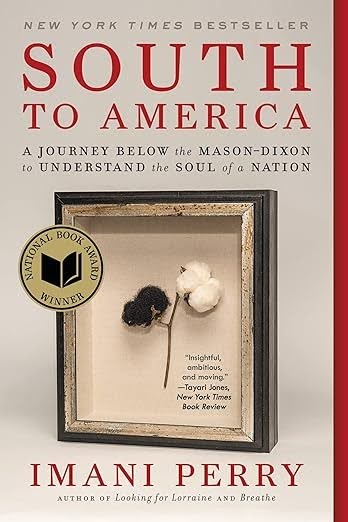
Winner of the National Book Award for Nonfiction, “South to America” explores race, memory, migration, and belonging, revealing how the South continues to shape the nation’s cultural and political life. It is well-suited for community-wide reading and interdisciplinary programming.
Rewriting the reading list is rewriting the national memory
We have the power to expand the lens and shape conversation. Who is on your reading list? Whose stories help you understand this country more fully? What books will you recommend to your community?
Our reading list is still being curated. Stories are still being told. Truths are still being revealed. Where do you fit into this vast American story in the past 250 years? The joy, the pain, the growth, the stagnancy, the exquisite humanity and the complete lack of civility. You will find the answer in the poetry and prose of many voices. Make sure you include those who refused to be silent so we all can be free.
“They ask me to remember/but they want me to remember/their memories/
and I keep on remembering mine” ― Lucille Clifton
The post Reading the Nation at 250: Who is missing from the story? appeared first on AFRO American Newspapers.
Based on reporting by Afro-American – Washington.
The post Reading the Nation at 250: Who Is Missing from the Story? appeared first on BlackPressUSA.