


The NASCAR Chicago Street Race, which is set to transform Grant Park into a pop-up urban racecourse during July Fourth weekend, is hoping to get some traction this week with the opening of its Chicago office and the launch of ticket sales.
NASCAR anticipates 100,000 attendees will descend on Chicago for its first-ever street course event, which will include two days of racing, concerts and other festivities.
Advertisement
Tickets will not come cheaply, however. On Tuesday, NASCAR began selling two-day reserved tickets starting at $465. Two-day general admission tickets, which start at $269, will go on sale a couple of months down the road.
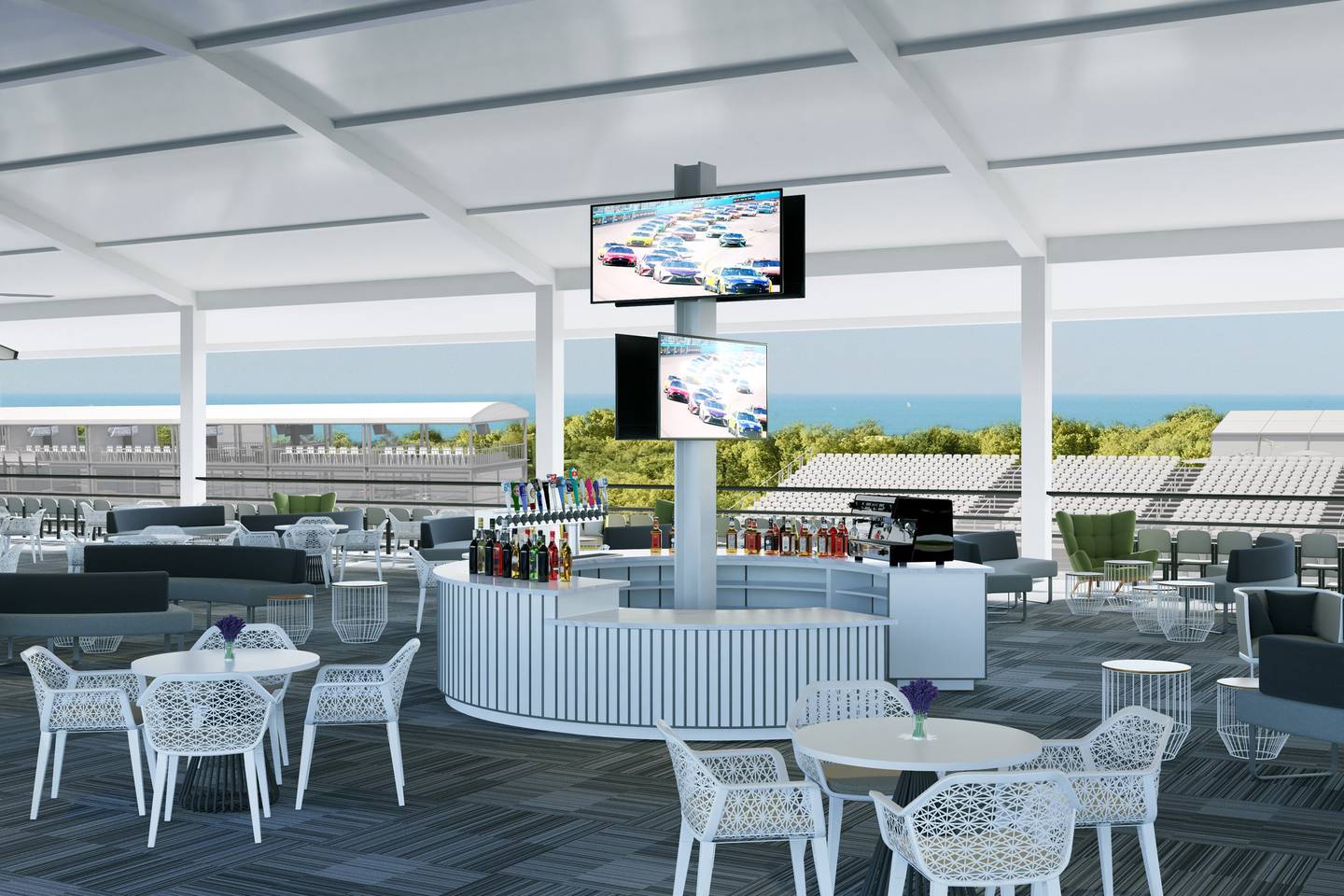
Premium club seats run a lot higher. At the top of the list are temporary hospitality suites perched above the pit road, where tickets for the President’s Paddock Club cost more than $3,000 each, according to the NASCAR Chicago website.
Advertisement
“It’s a temporary hospitality structure very similar to what you would see at a golf tournament,” said Julie Giese, 45, a veteran NASCAR executive named president of the Chicago Street Race. “Those are two-day experiences, all inclusive of food and beverage, with access to the concerts and the races.”
Giese said the ticket pricing for Chicago is comparable to other NASCAR races, including the permanent hospitality suites at facilities such as Daytona International Speedway in Florida, where she was previously involved in the $400 million redevelopment of that track.
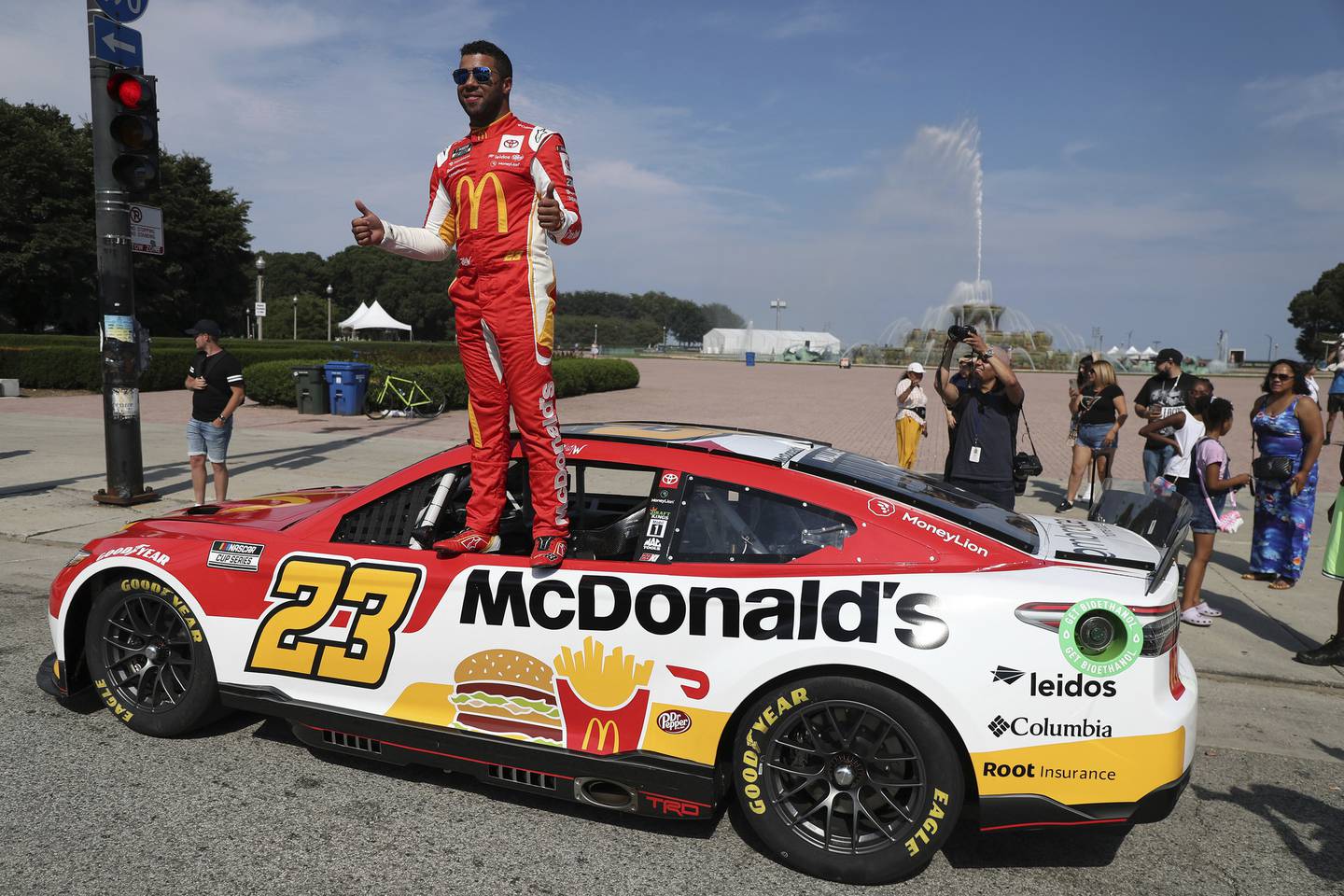
The televised Cup Series event, set for July 2, will feature a 12-turn, 2.2-mile racecourse, with top NASCAR drivers weaving in and around Grant Park on closed-off streets lined with temporary fences, grandstands and hospitality suites.
A separate Xfinity Series race, the second tier of NASCAR racing, is scheduled for July 1. NASCAR plans to host concerts following both races, looking to create a festival experience similar to other events held at Grant Park, such as Lollapalooza.
Giese, a Wisconsin native who previously headed the Phoenix Raceway, moved to Chicago and christened a new NASCAR office Wednesday at Two Prudential Plaza, a 5,000-square-foot space on the 28th floor overlooking the future site of the racecourse. Five of 12 employees have been hired for an ambitious sales and marketing effort charged with creating significant economic benefit for Florida-based NASCAR and the city.
Revenue for the event will be primarily generated through ticket sales and sponsorships, Giese said.
A study commissioned by NASCAR and conducted by CSL, a Texas-based sports and entertainment consulting firm, projects nearly $114 million in total economic impact from the inaugural event.
The study anticipates 100,000 attendees will buy tickets, with 39% staying overnight, leading to 24,000 hotel room nights in Chicago. The event is projected to generate nearly $9 million in tax revenue, including $3.2 million for the city itself, according to the CSL study.
Advertisement
NASCAR, which became a private company upon completion of its $2 billion merger with International Speedway Corp. in 2019, plans to invest more than $50 million in the Chicago Street Race, including construction, race services, administration, labor, food and beverage, and merchandising, according to the study.
The elaborate hospitality suites, grandstands and other temporary facilities are still in the conceptual phase, Giese said.
“Right now, the process we’re in is just working with our vendors to finalize the needs of what the structures are, footprints of all of them, capacities,” Giese said. “And then construction itself will start just a few weeks before the event.”
Allen Sanderson, a University of Chicago sports economist, said the real economic benefit for Chicago is likely to be significantly less than the projected $114 million.
“Take whatever number that the sponsoring organization gives you and move the decimal point one to the left, and you’re probably pretty close,” Sanderson said. “In other words, 90% is nonsense, 10% is about right.”
Sanderson questioned the multiplier effect used in the NASCAR Chicago study, a common method for calculating economic benefit that he said inflates the direct spending on hotels, restaurants and tickets with “double and triple counting.” The NASCAR economic impact study calls that indirect and induced benefit — the total spending that takes place as dollars from initial direct purchases are put back into the local economy.
Advertisement
In July, NASCAR struck a three-year deal to transform the Grant Park environs into a racecourse. Under the terms of the agreement, NASCAR will pay the Chicago Park District a permit fee of $500,000 for next year, $550,000 in 2024 and $605,000 in 2025, with an option to renew for two years. In addition, NASCAR will pay the Park District a $2 fee per admission ticket, and an escalating commission starting at 15% for food, beverage and merchandise sold at the event.
The proposed course will start on Columbus Drive in front of Buckingham Fountain, an area that will also serve as the pit road. From there, drivers will go south to Balbo Drive and then jog east toward Jean Baptiste Point DuSable Lake Shore Drive. Heading south along the lake, drivers will turn west on Roosevelt Road, working back north on Columbus Drive in a rough figure eight that will take in a piece of South Michigan Avenue before reaching the start/finish line.
NASCAR has full access to the racecourse area for nine days prior to and three days after the event. But the total staging window — the process of building and breaking down the temporary facilities — runs a full month, starting three weeks before the race weekend, according to the agreement.
In addition to overstating the real economic benefit, Sanderson said, there are hidden costs such as disruption and forgone income — revenue lost because resources are devoted to the event — not included in the projections.
“This isn’t just going to be a two-day event,” Sanderson said. “In the end, there’s going to be a lot more preparation in terms of getting ready with congestion and disruption. How do you put a price on Chicagoans not being able to use the center of the city for a few weeks?”