



By Stacy M. Brown
NNPA Newswire Senior National Correspondent
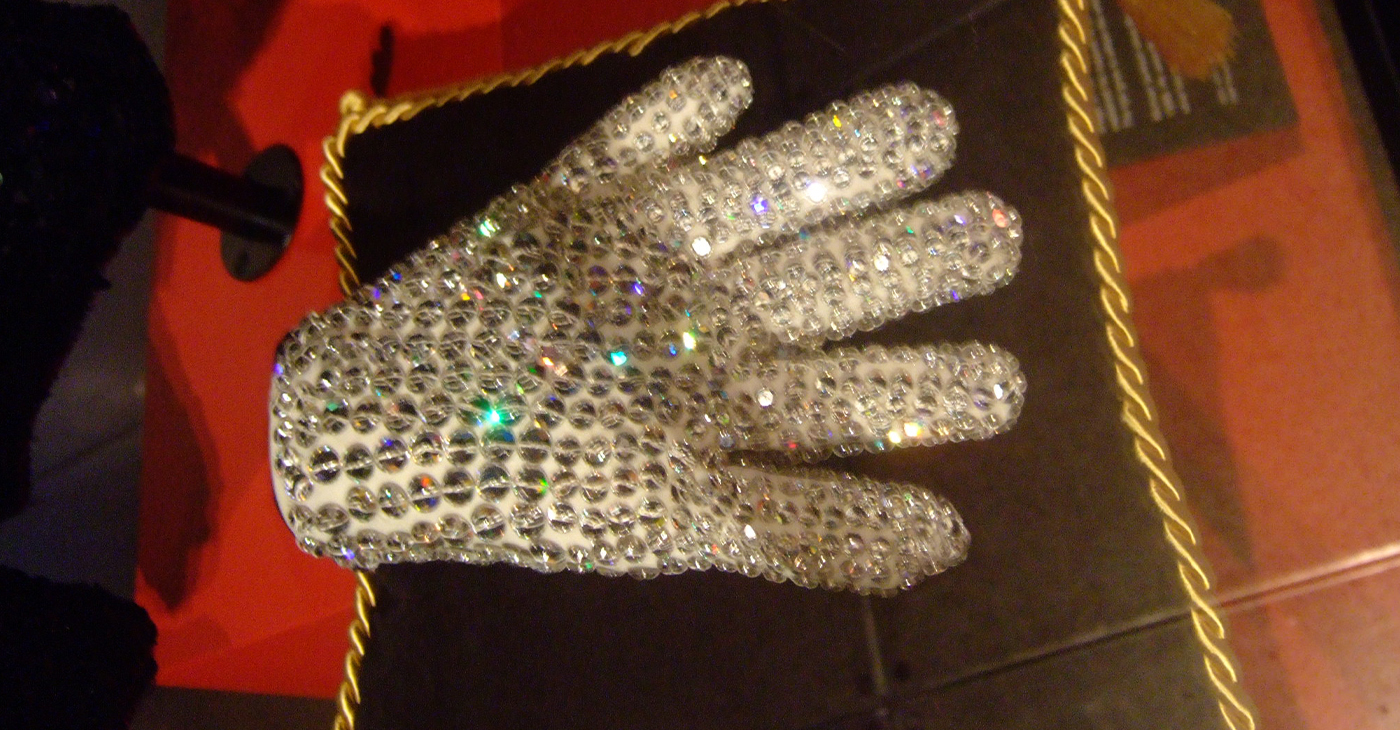
Tom Brady stepped into the broadcast booth and, without saying a word, said everything. One glove. Not a gimmick. Not nostalgia cosplay. Just a quiet, unmistakable signal that even in a football game between the Philadelphia Eagles and the Buffalo Bills, the most famous silhouette in modern culture still casts a shadow. Seventeen years after his death at 50, Michael Jackson remains unavoidable.
That is the strange gravity pulling audiences toward “Michael,” the biopic arriving April 24, 2026, still months away yet already moving like a global event. Posters are up from Tokyo to São Paulo. Trailers are breaking records. The marketing machine is humming, but the fascination is older than marketing. Jackson was not merely famous. He was universal.
The Beatles conquered an era and a hemisphere. Elvis owned America. Jackson belonged to the planet. His face, his glove, his lean-forward stance before the beat dropped were recognized in villages without electricity and cities that never slept. Only Muhammad Ali matched that level of global recognition, and even Ali did not moonwalk into living rooms every night.
What “Michael” understands, and what many previous attempts to frame Jackson never did, is that the story cannot be reduced to a ledger of controversy. Those chapters exist. They have been litigated, televised, replayed, monetized. This film chooses another lane. It treats Jackson’s life as a cultural force, not a courtroom transcript.
That choice matters because of who is involved. Prince Jackson, Michael’s eldest son and an executive producer, carries the responsibility of legacy without being forced to relive the ugliest moments of his childhood. Paris and Bigi are allowed distance from spectacle. This is not a public autopsy. It is a family-sanctioned remembrance.
Jaafar Jackson, Michael’s nephew, steps into the role with something no actor auditioning from the outside could ever possess. Muscle memory. Blood memory. The physicality is not imitation; it is inheritance. The way he tilts his head, holds a pause, lets silence work before sound arrives. These are not learned tricks. They are lived gestures.
Directed by Antoine Fuqua and written by John Logan, the film tracks Jackson from Gary, Indiana, to global isolation, without turning him into a saint or a spectacle. Quincy Jones appears. Motown appears. The grind appears. The joy appears. The loneliness appears. The point is not balance. The point is truth through artistry.
Lionsgate has openly acknowledged that Jackson’s story may not fit into a single film. Studio chief Adam Fogelson has floated the idea of more “Michael” beyond the first release, a notion that would sound indulgent for any other subject. For Jackson, it sounds almost conservative.
What separates Jackson from today’s megastars is not talent alone. It is reach through time. His audience includes people who were not alive when “Thriller” rewrote the rules, when “Bad” redefined spectacle, when “Dangerous” fused pop with global rhythm.
The film’s final power lies in restraint. It does not ask viewers to forget anything. It asks them to remember something else first. The music. The precision. The audacity. The way one man made the world move in unison.
“I never got the chance to see Michael Jackson live, and I’m not letting this once-in-a-lifetime opportunity slip away,” one viewer wrote under the trailer. “Buying this ticket feels like finally reaching out to the King of Pop himself — something I’ve dreamed of for years.”