

At this time in Chicago’s 2019 election cycle, nobody gave Lori Lightfoot a chance to win her long-shot bid for mayor.
Her name recognition couldn’t compare with Cook County Board President Toni Preckwinkle, or with Bill Daley, the son and brother of former mayors, or with Illinois Comptroller Susana Mendoza.
Advertisement
Unlike business owner Willie Wilson, who had a proven ability to attract Black votes, Lightfoot didn’t have a clear base of support.
She wasn’t even able to generate the level of attention public policy consultant Amara Enyia drew when she unveiled big money donations and endorsements from Kanye West and Chance the Rapper.
Advertisement
In late January 2019, a Sun-Times poll showed Preckwinkle and Daley led with around 12% of the vote respectively, with Wilson, Mendoza and City Hall veteran Gery Chico behind them, all virtually tied around 9%. Lightfoot was polling at just under 3%.
Lightfoot’s mayoral ambitions appeared so dim at one point that Fox 32 didn’t invite her on the main stage for a candidates’ debate, a slight the mayor still occasionally complains about by saying they sat her at the “kids’ table.”
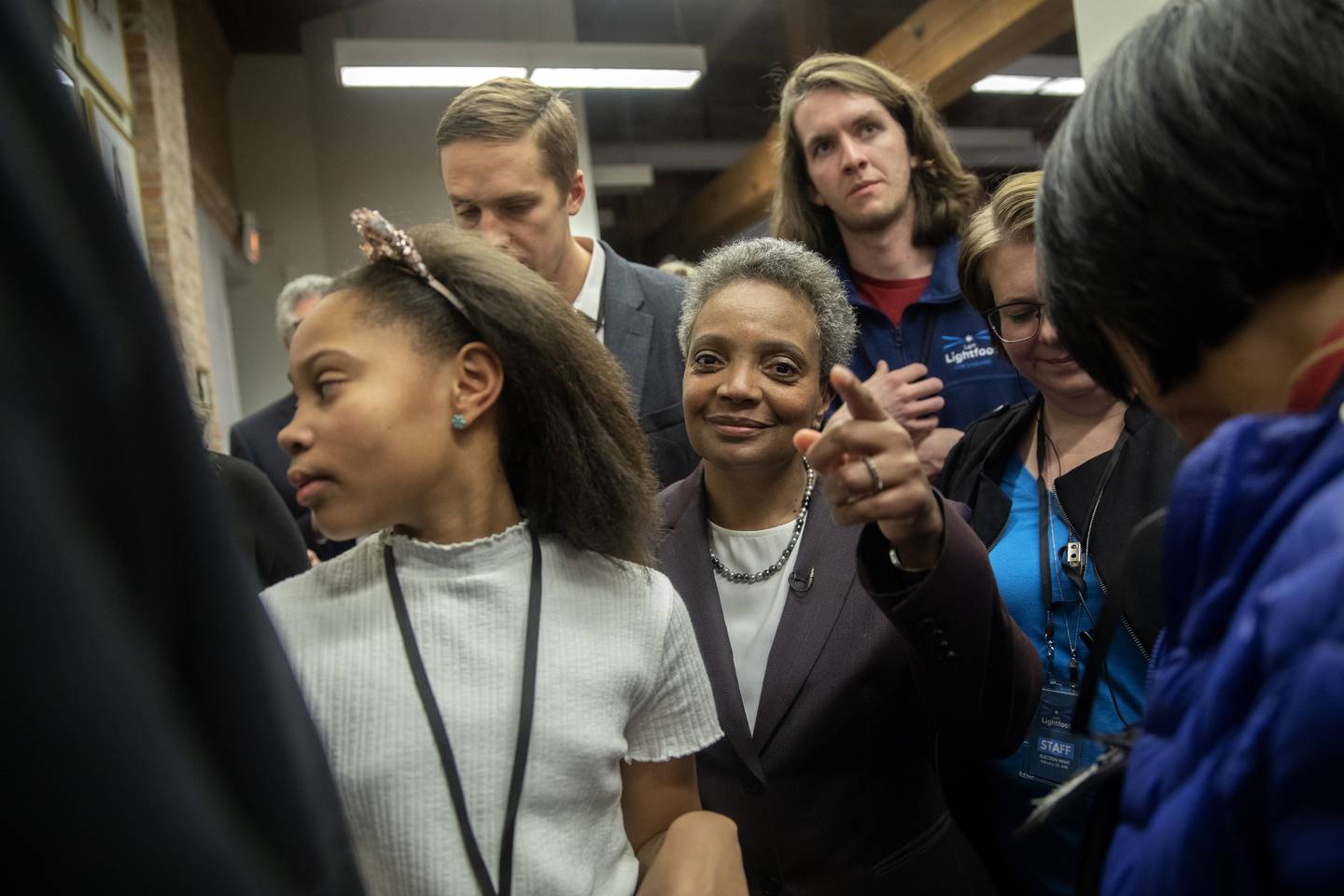
But Lightfoot, who carried her credibility as a former Chicago Police Board president, federal prosecutor and partner at the law firm Mayer Brown, kept campaigning and caught fire at the right moment, aided by the political maelstrom that followed Ald. Edward Burke, 14th, being charged with shaking down a Burger King.
That February, Lightfoot emerged from a field of 14 to land nearly 18% of the vote and a runoff bid against Preckwinkle, who got 16%.
The rest is history.
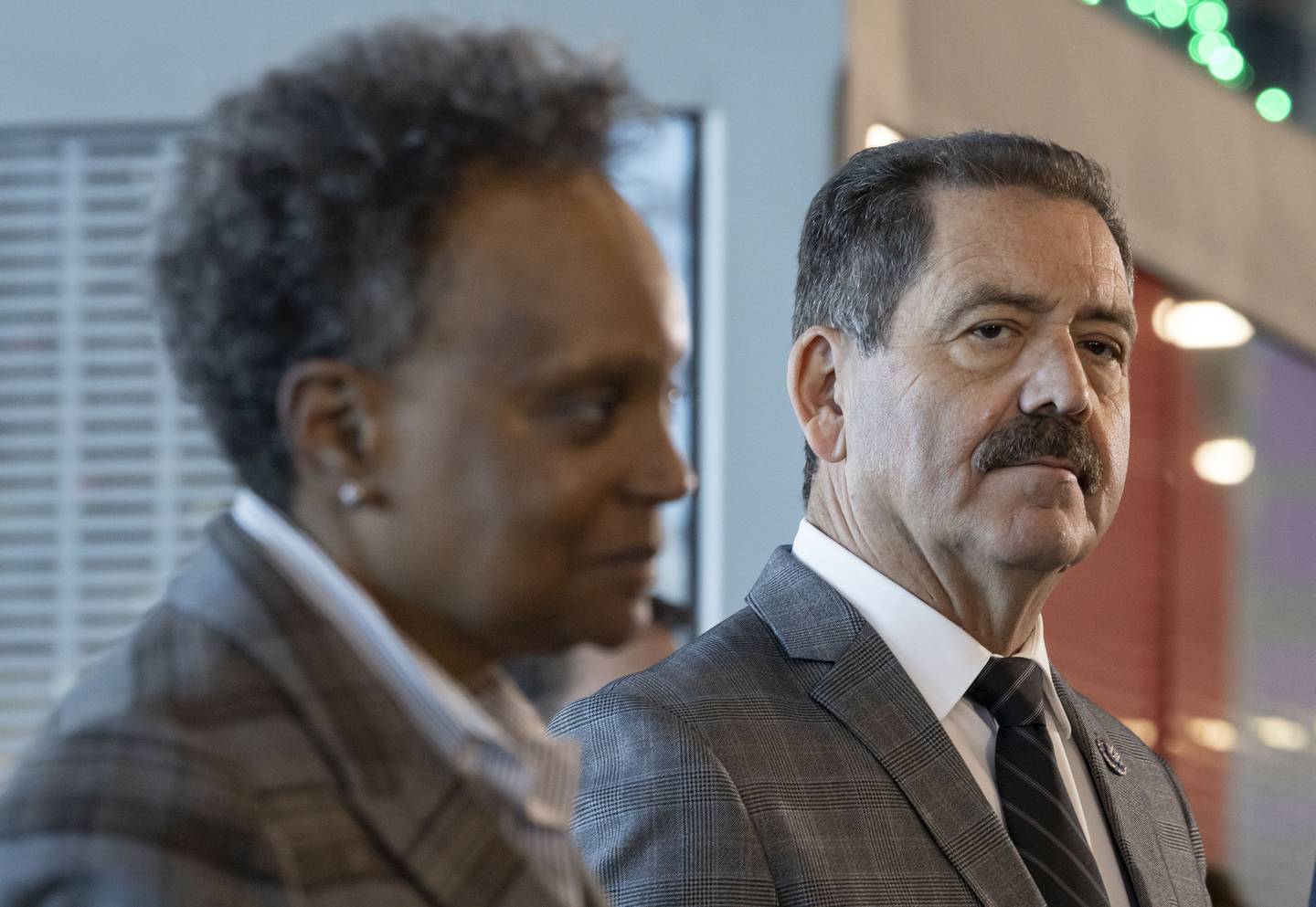
This time, Lightfoot is a big name, but so are some of her challengers, like U.S. Rep. Jesús “Chuy” García, who rode the prominence he gained from his 2015 mayoral run to a seat in Congress. Similarly, former Chicago Public Schools CEO Paul Vallas and Wilson are well-known figures who have run citywide before and are now trying to expand their support.
Lesser-known candidates making their first run for mayor in the Feb. 28 election face a different challenge breaking through and being recognized as realistic possibilities by city voters. But as Lightfoot’s stunning 2019 victory shows, leading in the polls two months from the election doesn’t guarantee victory.
“I don’t think it’s entirely impossible for an unexpected candidate to make it into the runoff,” veteran political strategist Rebecca Williams said. “There can be a lot of things that can sink or sail a candidate. (An) opportunity may come up, and someone might have an ability to shine and can use that moment to take them from being out of the mix to suddenly a little closer to the spotlight.”
Advertisement
Strategic voters may gravitate toward front-runners who seem the most viable options. But the margin of victory required to ascend to a mayoral runoff is far slimmer than a one-on-one contest, allowing otherwise minor hits to or boosts in reputation to turn seismic. That was the case in 2019, when Burke’s political corruption charges weakened Preckwinkle, Mendoza and Daley while invigorating Lightfoot’s campaign as a perceived outsider and reformer.
Chris Mooney, a political-science professor emeritus at the University of Illinois at Chicago, noted it’s often the political climate that determines an election’s outcome rather than the candidates. He likened someone running for office to “a water bug in the ocean,” hoping one of the fickle waves crashing around them breaks their way.
“Yes, you work hard, and you can maybe move yourself a little, but these big waves are going to really have a larger impact,” Mooney said. “It doesn’t mean you stop paddling for all your life because it’s all you got, right?”
Delmarie Cobb, another longtime Chicago political strategist, sees parallels between Lightfoot’s first election and former President Donald Trump’s 2016 victory. Though the two share little in common from a policy perspective, in both cases their voters were disenchanted with the political establishment and took a risk with someone they saw as a blank slate.
“The public sentiment was, ‘OK, we’ve had business as usual. Our lives haven’t changed. Why don’t we give somebody new a chance?’” Cobb said. “I mean, that’s why Donald Trump got in. In 2019, that’s why Lori Lightfoot got in.”
Even though the political corruption that Lightfoot first railed against is far from eradicated, Cobb said, the environment that heralded Lightfoot’s election has shifted.
Advertisement
There was a once-in-a-lifetime pandemic that brought the city to a standstill and dominated much of her term. A racial reckoning and crime surge still divides Chicago over the role of policing and causes of violence. Rising costs of living, from the gas pump to the property tax bill, worry families struggling to make ends meet.
Much of that is out of Lightfoot’s control, Cobb said, but the confluence of events and the intractability of those issues make it much harder this time to build a compelling but straightforward message, as the mayor’s “Bring in the Light” slogan proved in 2019.
That leaves an opportunity for Lightfoot’s challengers, including the lesser-known candidates.
“Anyone who’s polling at 1% now, you can’t decide that that’s where you’re going to end up,” Cobb said. “Because you never know what’s going to happen.”
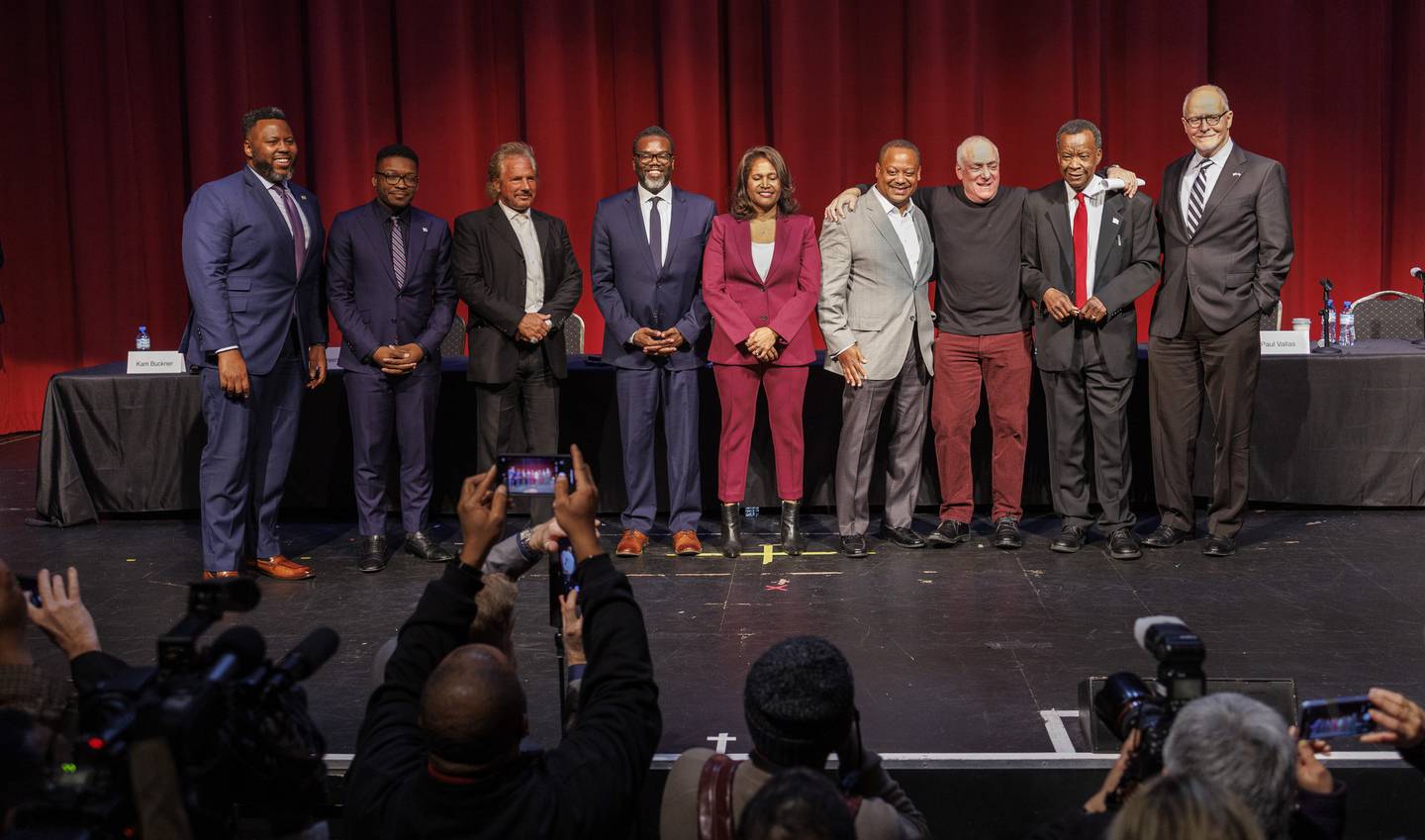
Among the top candidates looking to follow in Lightfoot’s footsteps and force their way into an unexpected runoff are Cook County Commissioner Brandon Johnson, Ald. Sophia King and state Rep. Kambium “Kam” Buckner.
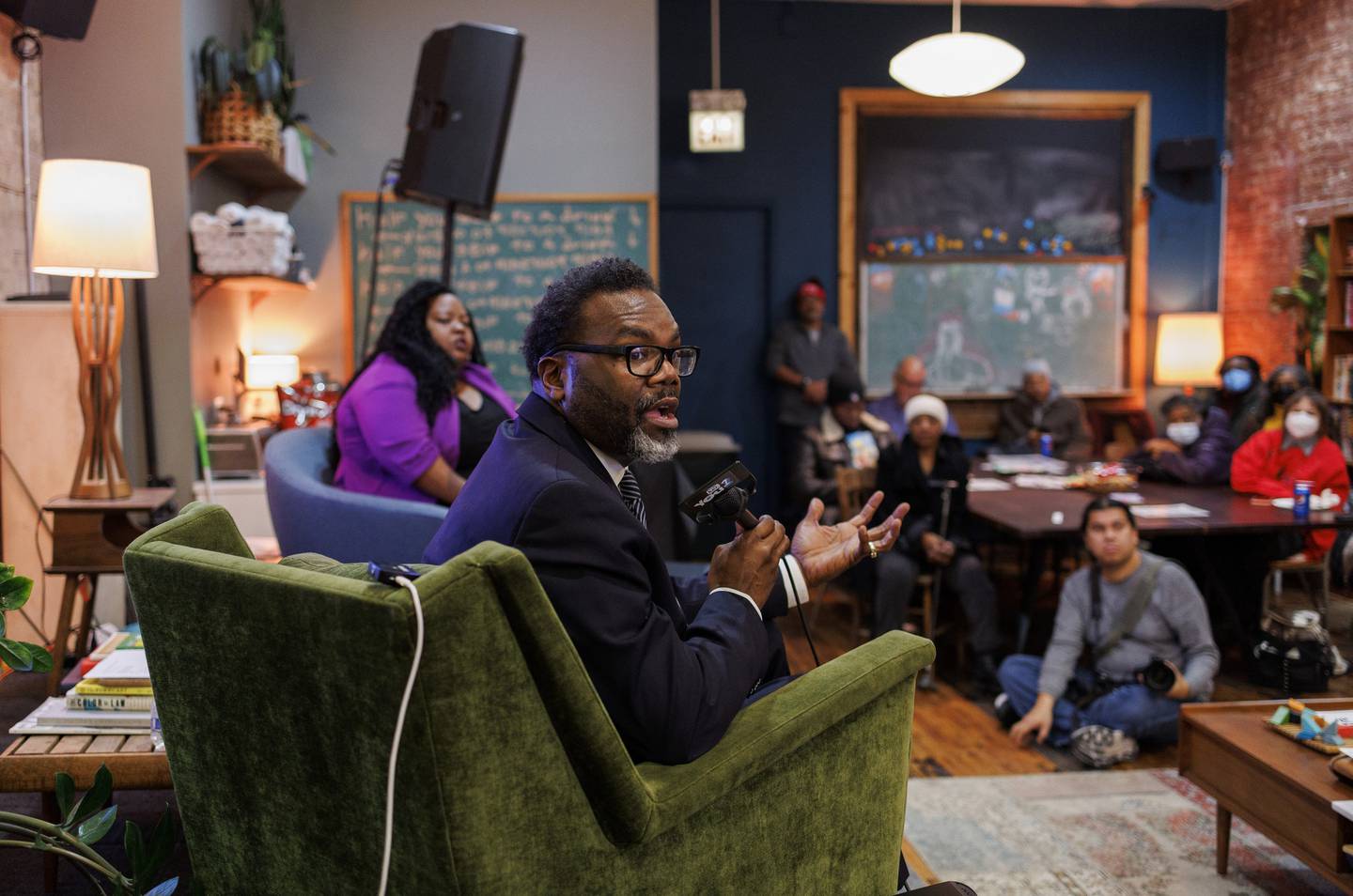
At this point in the 2023 campaign cycle, Johnson is in a better position than Lightfoot was in the 2019 race. He has secured support from powerful progressive labor groups, including two Service Employees International Union units and the Chicago Teachers Union, while Lightfoot did not have major institutional backing.
Advertisement
“Where we are now, the organizational strength that my candidacy is displaying, is what I’m most excited about. It’s multicultural, it’s multigenerational, it’s across the city, it’s obviously progressive,” Johnson said. “From the independent political organizations committed to my leadership to progressive leaders like (incoming U.S. Rep.) Delia Ramirez and (Ald.) Jeanette Taylor that are committed to my leadership. Many of the individuals who wish to be the progressive candidate can’t say they have the support of progressive labor as well.”
Johnson, the son of a pastor, is a longtime leader with the teachers union who lives on the West Side. He said he believes his message and “personal, lived experience is connecting with people.”
“When people get to know me, they not only appreciate my experience, they appreciate my judgment and they like me. That’s something that gives me confidence that the people of Chicago want something new,” Johnson said. “There were well-known candidates four years ago that the general public and the voting population just weren’t connecting with. I think it’s similar in this moment that if you look at all the polling for this upcoming election cycle, all the well-known candidates that are running right now are barely cracking 20%. That tells me that, when the city is heading in the wrong direction, voters are reluctant to return that power to the individuals who have been in power.”
In addition to raising his profile with voters, however, Johnson’s challenge is complicated by García’s late entry to the race. The congressman has long been a progressive favorite and threatens to overshadow candidates looking to make a runoff from the left.
King brings several potential strengths to the race. Aside from Lightfoot, she’s the only woman running for mayor. Her ward includes more of the lakefront than any other alderman’s, giving her a potential base with the city’s liberals. As chair of the City Council Progressive Caucus, King also helped push through the $15 minimum wage increase in 2019 that Lightfoot championed.
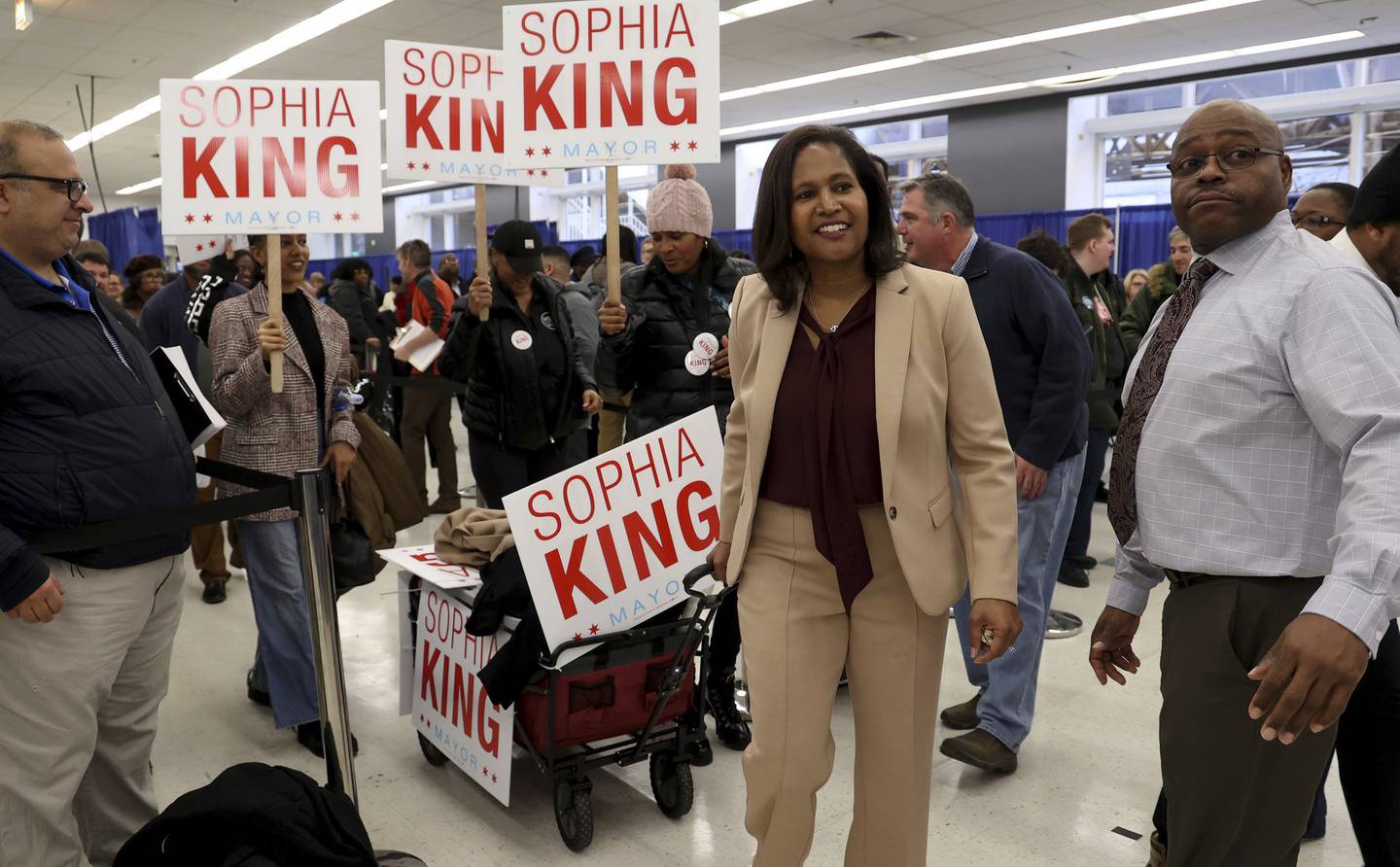
Reflecting on 2019 versus 2023, King said, “The mayor knows better than anyone how quickly things can change. When I’m out talking to voters, that’s what I hear they want: change, and quickly.”
Advertisement
As a candidate, King often touts her plan to boost the city’s Police Department by enticing retired officers to return, expanding surveillance technology and overhauling work schedules to allow for more time off.
“Nobody needs a poll to tell them voters want us to prioritize safety and we have a plan that addresses safety and justice, that uplifts the police and holds them accountable,” King said.
Like other challengers, though, King needs to raise money and generate institutional support to get her message out.
Buckner, the state legislator, also represents a large swath of the lakefront, including parts of downtown and the North Side. He’s been a key part of some of the biggest legislation to pass in Springfield over the past few years: He helped lead the fight for an elected Chicago school board and was a key proponent of the SAFE-T Act, the broad criminal justice reform bill that led to criticism from conservatives and some law enforcement groups, which he has had to rebut on the campaign trail.
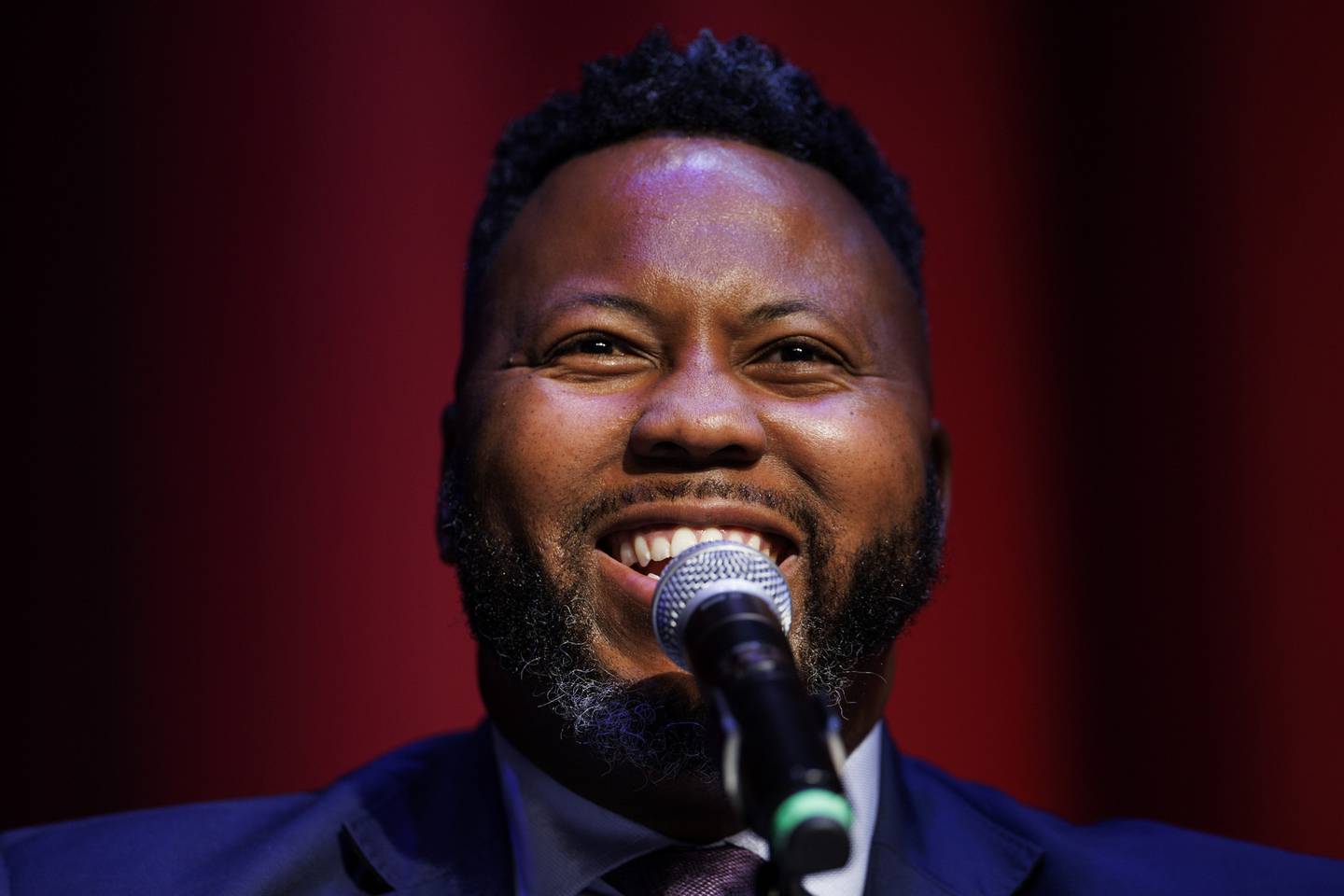
Buckner said that on the campaign trail he hears constantly about crime and emphasizes to residents that he too has a plan for public safety that will invest in both law enforcement and community resources. Buckner also said residents find him relatable as the son of a police officer and teacher, graduate of Chicago Public Schools and University of Illinois alum, where he played college football.
“As I meet the people of Chicago who I have not met yet, who don’t live in my district … they realize I’m the kid they’ve known their whole lives,” Buckner said.
Advertisement
His challenge, though, is similar to Johnson’s and King’s in generating support from progressives and lakefront liberals who have a variety of options. Buckner also has less money and institutional support than some of his rivals.
In an interview, Buckner notes that political campaigns sometimes fumble. If that happens this time, Buckner said he’s in position to come out of the mass scramble victorious.
“I feel real comfortable in the bottom of a fumble pile,” Buckner said.
South Side Ald. Roderick Sawyer, whose father was mayor in the late 1980s, is also running for the top job at City Hall. So is activist Ja’Mal Green, who filed to run for mayor in 2019 but dropped out after Wilson ally Rickey Hendon challenged his signatures.
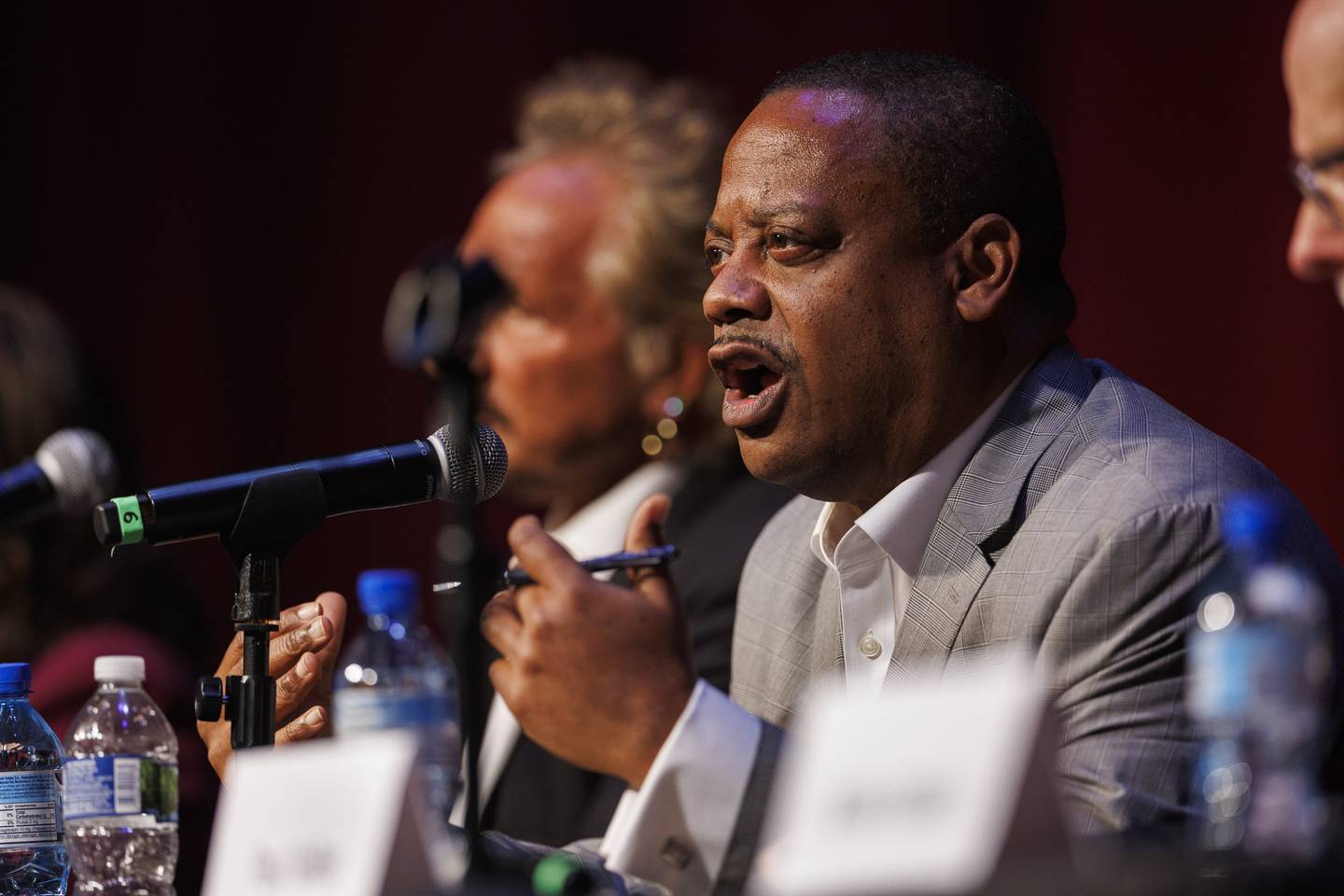
This time, Green will make the ballot after he and Hendon dropped challenges against one another in a bizarre turn of events where Hendon allegedly offered money to a Green volunteer to drop his challenge. Green’s youth — he’s 27 — and lack of elected experience are big hurdles for him to overcome.
Sawyer is a well-respected member of the City Council but has not raised serious money and until Wednesday was tied up with a petition challenge from Wilson. In an interview, Sawyer said the mayor’s 2019 campaign underscores a simple message: “Don’t give up.”
Advertisement
“I’m behind and I’ve got to get my name out there and my platform,” Sawyer said. “This was obviously restricting me from doing that and raising money but now that that’s behind me, I can get to work.”
Ironically, Lightfoot may again be an underdog this year as she faces a tough reelection campaign because of concerns about violent crime and fatigue with her combative style. That isn’t a great position to start as an incumbent, but the mayor has always thrived against people’s doubts.
On the day she launched her reelection campaign, Lightfoot summarized the situation.
“The fact of the matter is, I’m a Black woman in America,” Lightfoot said. “People are betting against us every single day.”
Chicago Tribune’s A.D. Quig contributed.


