




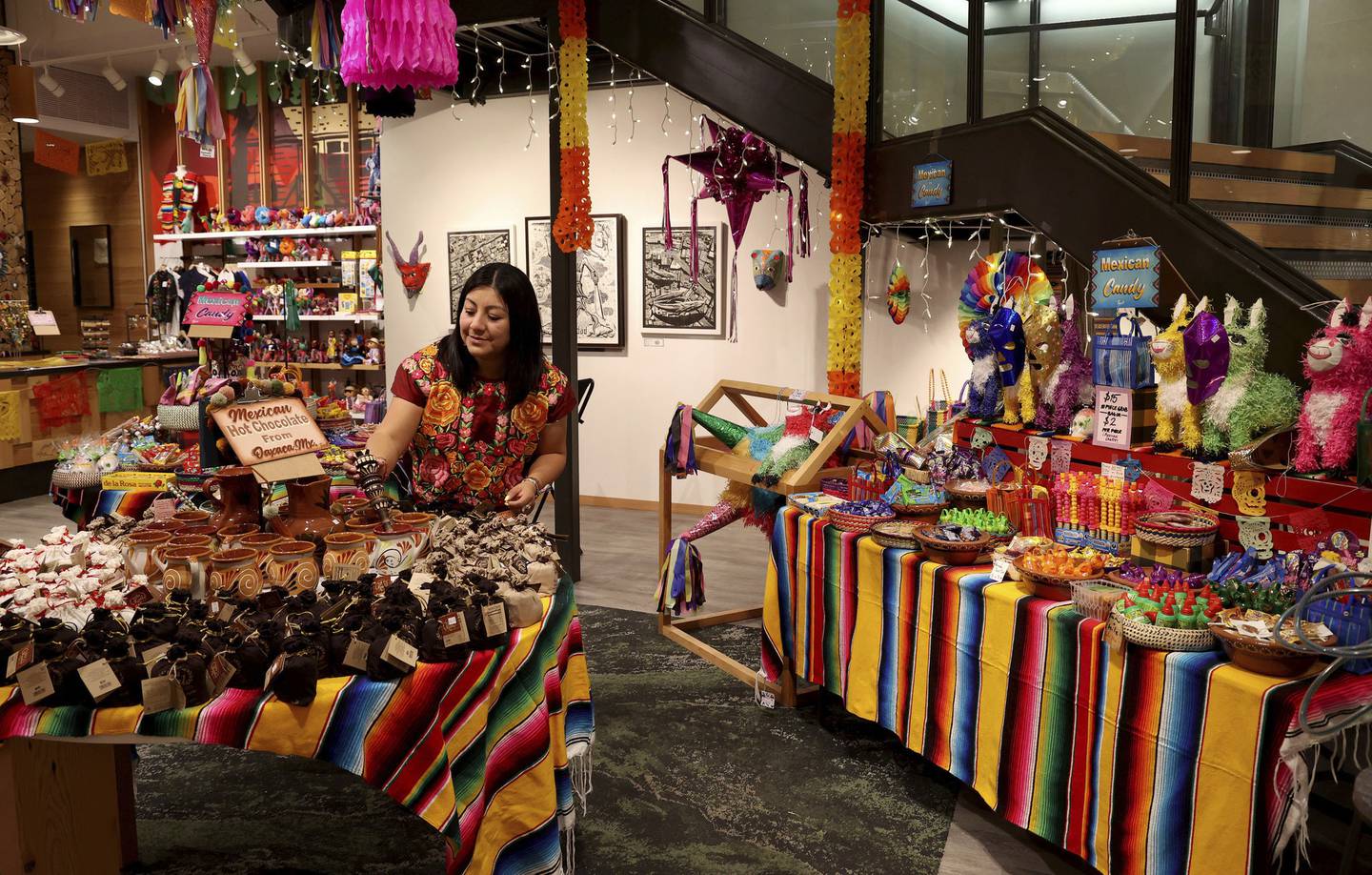
Hundreds of radiant rebozos and picturesque huipiles, made by Indigenous artisans in rural towns of Mexico, adorn the tall walls of a store on Chicago’s Michigan Avenue. Each item tells the story of a family — traditions that are centuries old — and how they got to the Magnificent Mile for the world to admire.
For many years, Erika Espinosa could fit all the merchandise on a small table that she would set up on the sidewalks of different neighborhoods, at festivals and community markets during the summer — even in her backyard. Colores Mexicanos, she said, was not only a business for her and her family, but also a reflection of the significant and thriving Mexican community in Chicago.
Advertisement
The small family business became a part of the Community Marketplace on the Chicago Riverwalk in 2021, getting the initial opportunity to showcase handcrafted items brought to Chicago from various regions of Mexico. Right before Black Friday, with the help of COVID-19 relief funds from the city’s Department of Business Affairs and Consumer Protections and the Magnificent Mile Association, the family turned an empty storefront in Chicago’s luxurious shopping district into the cultural hub they had always dreamed of.
“And the one our culture and our artisans deserve,” added Espinosa.
Advertisement
The story of Colores Mexicanos was recognized by Mayor Lori Lightfoot and her team as an example of the entrepreneurial, economic power and cultural value of immigrants during a recent trip to Mexico City to promote Chicago’s economic progress and reaffirm the sister city relationship that has been in place since 1991.
“To move from a home-based business into the Riverwalk with a small storefront that was only seasonal, to one of the most prominent retail corridors in the world is a testament to the real business vibrancy of Chicago — and a story that is really only possible in Chicago,” said Samir Mayekarv, deputy mayor of economic and neighborhood development, who accompanied the delegation.
“The Magnificent Mile is stronger because we have a neighborhood business that truly is unique on the corridor, and it is a real testament to the entrepreneurial sprit in the Latino community.”
Lightfoot led a delegation of city officials and 28 business leaders from the Chicago area, including Colores Mexicanos co-owner Leticia Espinosa, during the recent five-day trip to Mexico City, which included roundtables with Mexican government officials and top business organizations to explore new opportunities for partnerships and developments.
“As recovery from the COVID-19 pandemic continues, it is critical that we exchange ideas and share innovative methods for driving growth in our business sector,” Lightfoot said in a news release. The trip to Mexico City was the third international trip for the Lightfoot administration, and it also focused on promoting tourism to Chicago.
Meetings and roundtables set by World Business Chicago with over 50 Mexican local businesses and Chicago’s delegation, as well as a discussion with Business Coordinating Council — the largest representative body of the private sector in Mexico — resulted in more than seven investment opportunities and six visits coming to Chicago to explore the potential of sustainable investment in both Mexico City and Chicago.
But the partnerships go beyond potential economic stimulants. The conversations revolved around cultural investments and diplomacy exchange, Mayekar said.
The University of Illinois System inaugurated its first international office at the National Autónomous University of Mexico (UNAM), which will serve as a springboard for joining research in several areas. The Illinois Hispanic Chamber of Commerce also signed a memorandum of understanding with UNAM, providing the opportunity for engineering and architecture students from UNAM to intern with Chicago businesses.
Advertisement
There are nearly 700,000 Mexican-born residents in Chicago, according to the Migration Policy institute, making it the U.S. city with the second-largest population of Mexican immigrants. Many contribute to the nearly 80,000 Latino-owned business in Chicago, according to data from the Illinois Hispanic Chamber of Commerce.
“The benefit to Chicagoans most directly is by having prominent businesses and entrepreneurs in Mexico viewing Chicago as their base of growth,” Mayekar said. “(But) anytime you have closer cultural, diplomatic and business exchange between Mexico and Chicago, it’s a benefit to the diaspora here in Chicago.”
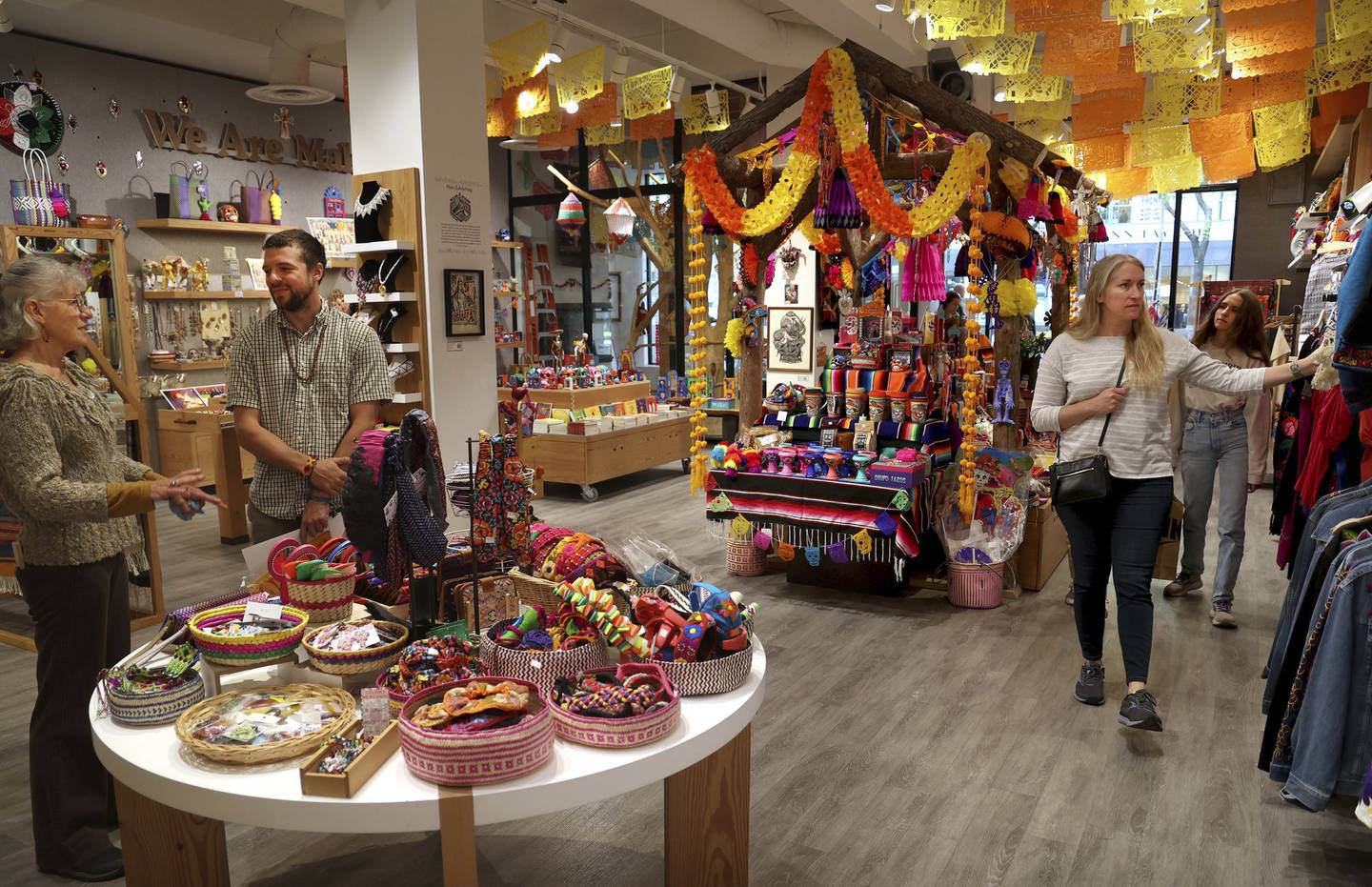
A tangible example of that, Mayekar said, is the story of Colores Mexicanos, which is not only thriving in Chicago and benefiting its immigrant owners, but is also growing the businesses of artisans in Mexico.
“We expect more Mexican American and Mexican entrepreneurs here in Chicago to be able to tap to new opportunities in Mexico and we hope to have business in Mexico to be able to tap here,” Mayekar said.
Sisters Erika and Leticia Espinosa immigrated to Chicago in the early 2000s. Though they’d always been interested in selling Mexican art, it wasn’t until 2017 when Erika finally decided to start. Leticia and other family members would bring a few items from their visits to Mexico, and the two realized that they were nowhere else to be found — and that “people in Chicago really appreciated it,” Erika Espinosa said.

Afternoon Briefing
Daily
Chicago Tribune editors’ top story picks, delivered to your inbox each afternoon.
“But most importantly, the artisan families in Mexico were finally getting the exposure they deserved,” she said. Since its inception, the goal has been fair trade by buying directly from artisans and staying transparent with artisans about pricing their items in the U.S.
Advertisement
Colores Mexicanos currently buys directly and constantly from more than 60 families from different regions throughout Mexico,
The sisters once tried their luck at a mall in Little Village but failed. Still, they persisted. Erika would sell items online and at festivals while Leticia worked as one of the editors at Hoy, the Spanish newspaper published at that time by the Chicago Tribune. That’s when they met Gabriel Neely-Streit, an avid writer and cultural lover who became the force they needed since he is fluent in English and knows how to navigate the system, said Erika Espinosa.
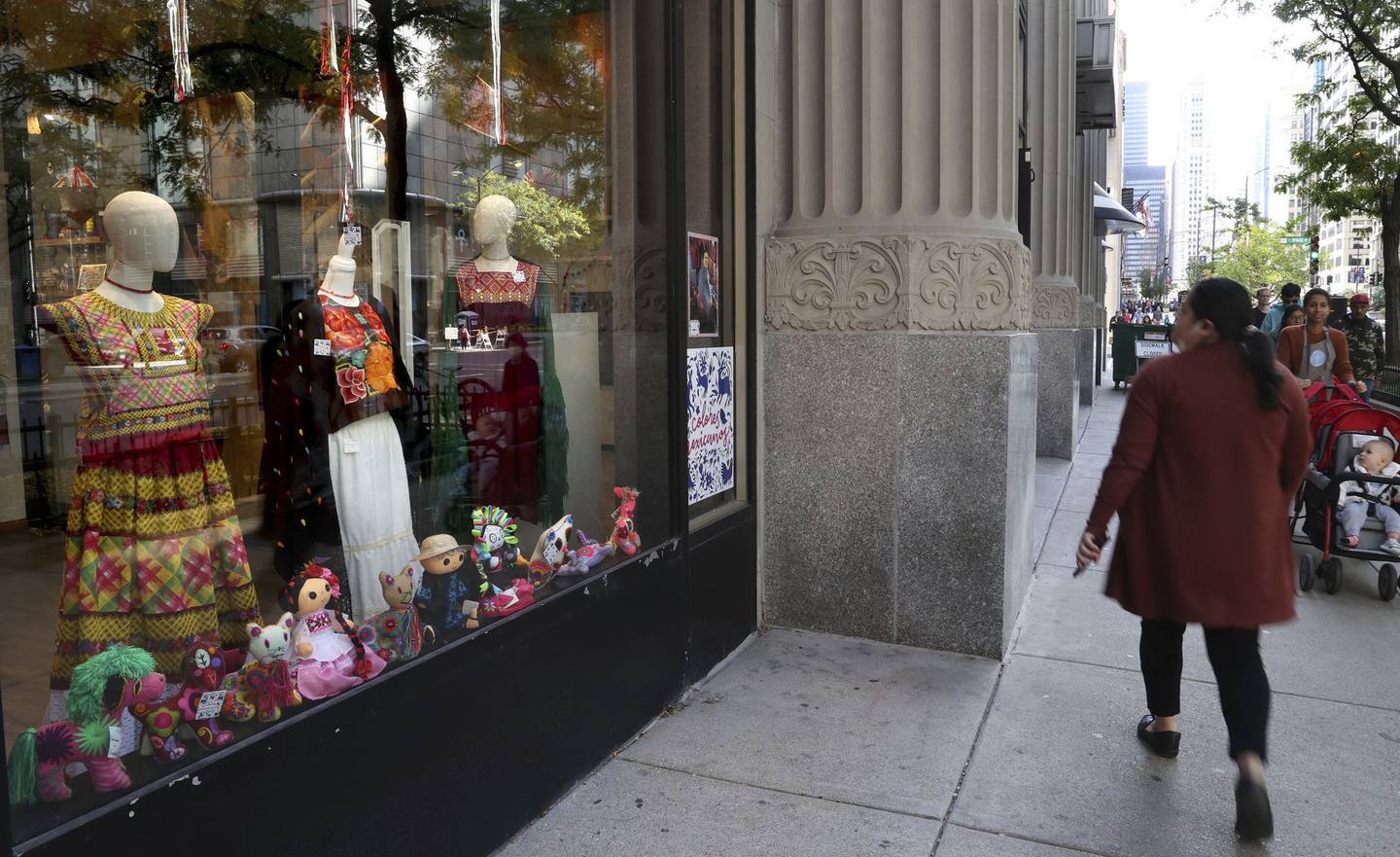
Though he loved the world of journalism and storytelling, Neely-Streit decided to shift gears when Tribune Publishing ended production of Hoy. He applied his love for storytelling through Colores Mexicanos, where he tells the story of each artisan that they buy from.
The three now are co-owners and have managed to keep their store on Michigan Avenue after the initial help from the city programs, said Neely-Streit. Though the shop was only set to be a holiday pop-up in an empty store, they have struck a deal with the landlord to stay on Michigan Avenue.
The success story of Colores Mexicanos highlights more than the economic power and the entrepreneurial ability of the immigrant community in Chicago. It shows that while the presence of the Mexican community is strong in Little Village, Pilsen and other traditionally Mexican areas, it is also strong in the Magnificent Mile, reflecting Chicago’s true diversity, said Ambassador Reyna Torres Mendivil, the consul general of Mexico in Chicago, who went on the late September trip.