


By Jheri Hardaway
Staff Writer
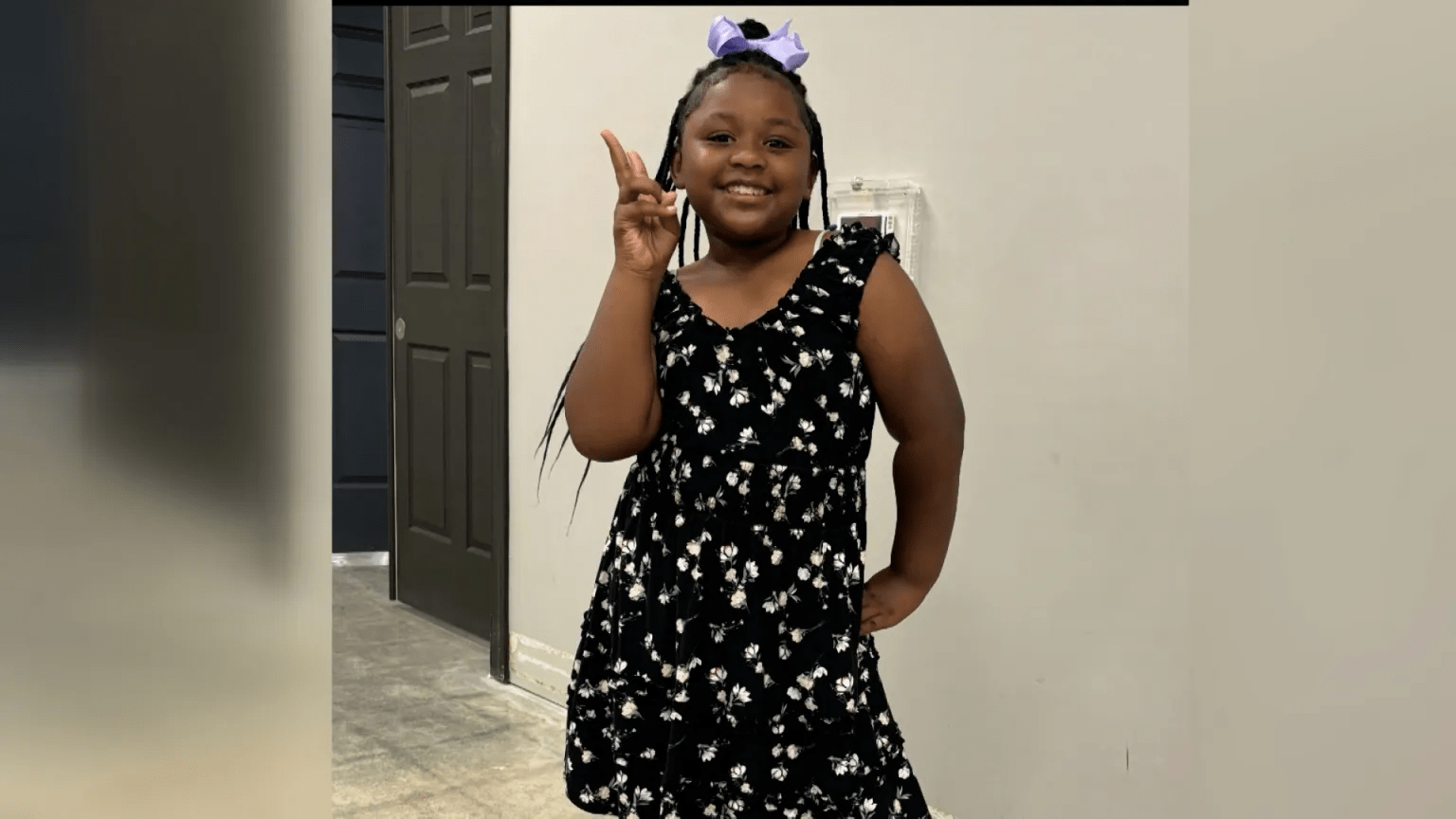
On Monday, July 6th Govenor Josh Stein signed House Bill 1173, widely known as Jaleeyah’s Law, in the presence of Jaleeyah’s mother, family, and community leaders. Jaleeyah’s Law is designed to increase penalties for gang-related crimes and provide stronger tools for prosecutors. The law is named in memory of 13-year-old Jaleeyah Tune who on December 21, 2025, was shot and killed while walking home with her sister. Three teens have been arrested in connection with her death, according to the Goldsboro Police Department; however, the circumstances and details surrounding the murder are not known to the public.
“It’s about giving prosecutors and communities stronger tools. It is about prevention, accountability and protection for families before tragedy happens,” said Whitney Brown-Tune, Jaleeyah’s mother, in a recent press conference. At the bill signing, Brown-Tune also emphasized, “Us as parents, we need to be more accountable for what our kids are doing on social media. It starts on social media before it hits the streets. Keep that in mind.”
Brown-Tune is completely correct. Social media’s profound impact has required changes in policing tactics and should prompt a shift in how we teach and parent our children, who are our future. Laws against organized crime are essential. Organized crime is just as American as student loans. The issue is how we define a gang. There are gangs, executing organized crimes that are not widely recognized as gangs by law enforcement. There are characteristics the state uses to define a gang member that are inaccurate. Jaleeyah’s Law – House Bill 1173 is necessary, but so is reform around law enforcement best practices.
As parents and community leaders do a better job of monitoring and protecting their children’s online presence. Law enforcement should work to better understand the social media landscape and the cultural factors that shape how some present themselves online. Wearing red or being photographed with a firearm are not enough to say someone is in a gang. Alongside this legislation should be more concrete and transparent criteria that law enforcement uses to define a gang member. Subjective social media observations are dangerous and can lead to wrongful convictions by biased law enforcement officials.
How do I know that law enforcement officials need advising on evaluating gang activity? I recently participated in the Harnett County Sheriff’s Office Citizen’s Academy. During the 13-week program, there is a night called “gang night.” The deputies presented a ton of insight into the gangs in and around Harnett County, along with information gathered from the North Carolina Gang Investigators Association.
During the presentation, I was alarmed that Harnett County is only 20% black but 80% of the gang presentation was about Black people. The deputies talked about people using the word “Cuz” as demonstrating gang affiliation, but I use “cuz,” and I’m not in a gang. They talked about the colors red, black, and green being associated with a gang. I’ve always known these colors as black liberation colors and wear them regularly; again, I am not in a gang. The presentation went as far as to show pictures of the Black Israelites, and the officer indicated, “They’re not necessarily a gang, but they’re a group that you should be aware of or afraid of.” I was upset; why vilify groups when they’ve committed no acts of violence? Why don’t they get the right to freedom of religion like other religious groups in America? The definition of a gang or a gang member needs to be evaluated and shared widely. At the conclusion of the Citizen’s Academy, we were encouraged to give feedback. The leadership of the Harnett County Sheriff’s Office expressed gratitude for the feedback and noted that they don’t know unless someone tells them.
I hope this knowledge empowers law enforcement leaders to be more culturally aware and transparent about what alarms them, so we can grow as a community. Dr. Randal Pinkett said, “If you are not prepared to make your organization more receptive to all people of all backgrounds, then you will not be competitive in the 20th century.”
As a Black American growing up in conservative Cary, North Carolina, I was raised to be considerate and aware of all cultures. Jaleeyah’s Law is important for maintaining safety; I hope we also make room for cultural understanding. The way the law is written, a teen or young adult could post something that is interpreted as gang-related and end up with “Enhance penalties for persons convicted of certain felonies if the offense was committed as part of criminal gang activity.”
Based on reporting by The Carolinian.
The post Governor Stein Signs Jaleeyah’s Law appeared first on BlackPressUSA.