

By Stacy M. Brown
Black Press USA Senior National Correspondent
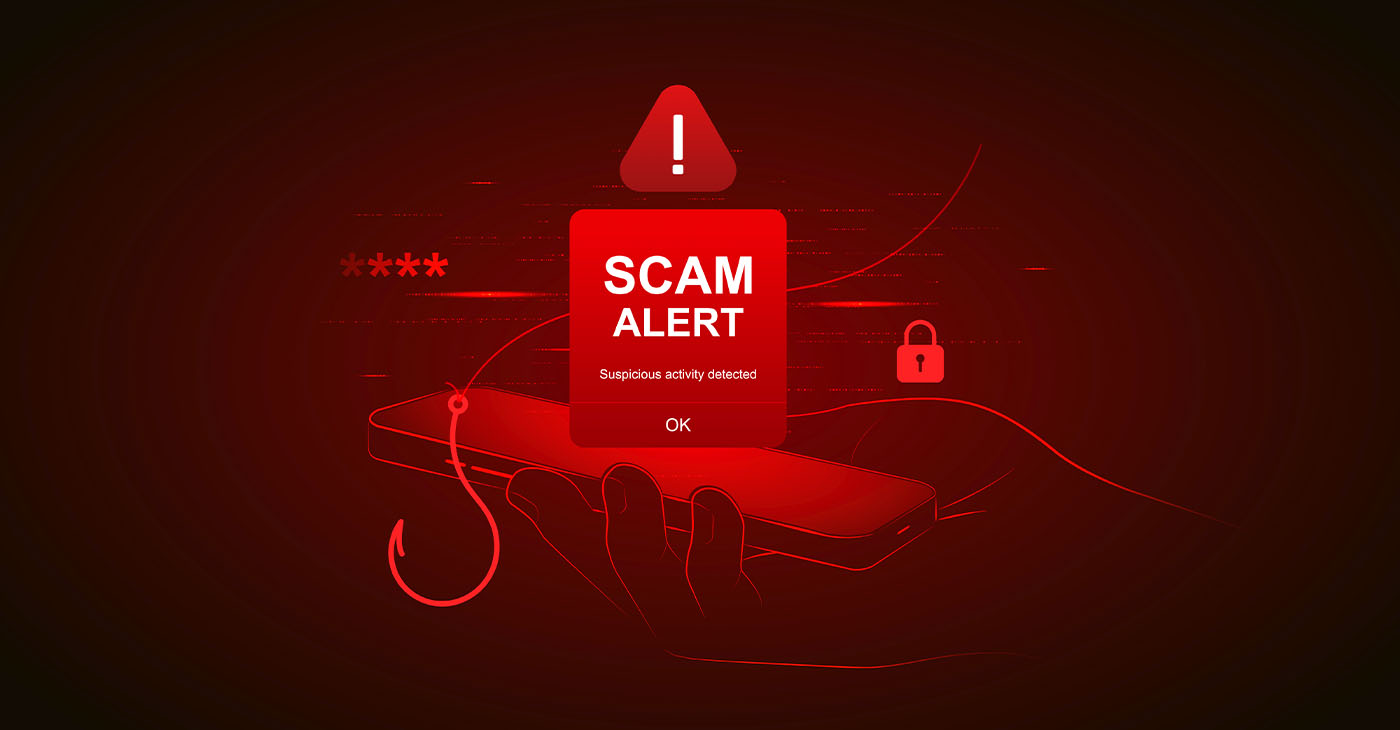
Holiday lights are blinking across the country, but so are the warning signals. From fake delivery texts to phony charities to scammers cloning voices with artificial intelligence, the holiday season has become a feeding ground for some of the most aggressive fraud tactics targeting Americans today. Law enforcement, consumer watchdogs, and financial institutions agree on one thing. No one is immune.
Capital One has tracked a surge in scams designed to look legitimate at first glance. The bank warns that criminals are impersonating associates and claiming a customer’s credit card has been compromised. Victims are told that their card needs to be collected for testing. A courier arrives, takes the card, and drains the account. Capital One officials explain that “it will never dispatch anyone to a residence to retrieve a card.”
Other schemes hitting customers include impostors posing as legitimate charities. They pressure donors and sometimes change payment amounts when people give in person. Capital One recommends verifying charitable groups through established evaluation websites and reviewing payment screens carefully.
Criminals are also exploiting the online shopping rush. Fraudsters build fake websites and social media storefronts, offer unrealistic discounts, and never deliver merchandise. Some sites use fraudulent checkout processes to steal both money and personal data. Capital One urges consumers to research businesses and verify reviews before buying.
Consumer Affairs has documented the same patterns nationwide. The outlet reports a spike in misleading social media ads directing people to buy products that never arrive, or that enroll shoppers in hidden subscriptions. Consumer Affairs noted that online purchase scams were one of the most dangerous fraud categories in the country based on the latest BBB Scam Tracker analysis.
Consumer Affairs also confirms that pyramid-style social media gift exchanges have reappeared. They promise dozens of gifts in exchange for one. The exchanges are illegal and are designed to harvest personal information belonging to participants and their contacts.
Holiday-themed apps aimed at children are another tool scammers use. Some contain hidden advertising and tracking functions, while others hide malware behind festive graphics.
AARP Research finds that the risk extends well beyond social media. Nearly nine out of ten adults in the United States say they have been targeted by or experienced some form of scam. Its latest survey shows that thirty percent of adults have had packages stolen from their doorsteps. It also shows sharp increases in money sent to strangers through peer-to-peer platforms and a rise in fraud linked to social media ads. AARP notes that forty-six percent of adults made purchases through social media in the past year, but only half understood that the ads are often untrustworthy.
Gift card fraud remains one of the most widespread problems. AARP reports that a third of adults have given or received a gift card with no balance because criminals drained the funds. Many gift cards placed on retail racks are secretly tampered with by thieves who record the numbers and wipe the funds moments after purchase.
Additionally, Morgan Stanley warns that package delivery scams escalate sharply in December. Criminals send text messages or emails urging people to click links to track packages, update delivery preferences, or pay new shipping fees. Clicking the link can install malware or direct victims to fraudulent forms requesting personal information. The firm notes that even missed delivery notices posted on doors may be fake and advises people to double-check any delivery claims through verified shipper websites.
Gift card scams have taken new forms as well. Criminals send emails or texts impersonating relatives or company officials and ask recipients to buy gift cards urgently. Morgan Stanley officials have urged people to call the individual directly before acting on any request.
The Better Business Bureau has cataloged a long list of holiday traps. They range from fake toll collection texts to fraudulent Advent calendar promotions and counterfeit luxury goods. The BBB confirms that online purchase scams were one of the top reported dangers last year and continues to warn consumers that payment requests through gift cards or wire transfers are immediate red flags.
The FBI has also issued its strongest holiday warning yet. The bureau reports that artificial intelligence has accelerated nearly every type of scam. In the first seven months of this year, more than nine thousand AI-related fraud complaints were submitted to the Internet Crime Complaint Center. Criminals are now using cloned voices, fake identification documents, and fabricated videos to impersonate loved ones and public figures. “Talk to your families. Protect each other from scams,” FBI Director Kash Patel said.
Experian’s latest guidance echoes the call for vigilance. The organization reports that the U.S. Postal Service was one of the most impersonated entities in 2024 and that fake delivery notifications continue to surge. Experian has told consumers not to click links in unsolicited messages and instead track packages through verified carrier sites. The company also reminds shoppers that card skimming remains a billion-dollar threat and that public wi-fi networks can expose people to interception of sensitive financial information.
Mastercard notes that even experienced shoppers fall for sophisticated schemes. Its global survey found that nearly half of consumers would ignore red flags if a discount appeared attractive enough or if a rare item seemed available. The company’s research shows that fraud is expanding as criminals use generative artificial intelligence to build convincing fake ads and manipulate consumers into entering financial information.
As Americans race to finish shopping, wrap presents, and prepare for family gatherings, experts say the most effective protection remains caution. Verified websites, traceable payments, skepticism toward unsolicited contacts, and a refusal to act under pressure can help keep thieves at bay.
“While you’re focused on finding the perfect gift, Mastercard is working behind the scenes to keep your transactions safe,” Alissa “Dr. Jay” Abdullah, deputy chief security officer for Mastercard, said on the company’s website. “Our goal is simple: make sure your holiday shopping is secure so you can focus on what matters most.”