

Close Menu
  • Home
  • News
    • Local
  • Opinion
  • Business
  • Health
  • Education
  • Sports
  • Podcast

Subscribe to Updates

Get the latest creative news from FooBar about art, design and business.

What's Hot

Poll Shows Support for Policies That Help Families Afford Child Care

Poll Shows Support for Policies That Help Families Afford Child Care

Trump’s MAGA Allies are Creating Executive Order Plan to Steal the 2026 Midterms

Facebook X (Twitter) Instagram
  • Lifestyle
  • Podcast
  • Contact Us
Facebook X (Twitter) Instagram Pinterest Vimeo
The Windy City Word
  • Home
  • News
    1. Local
    2. View All

    Uncle Remus Says Similar Restaurant Name Is Diluting Its Brand and Misleading Customers

    Youth curfew vote stalled in Chicago City Council’s public safety committee

    Organizers, CBA Coalition pushback on proposed luxury hotel near Obama Presidential Center

    New petition calls for state oversight and new leadership at Roseland Community Hospital

    Food Pyramid Blind Spots: What Supermarket Civil Rights Teaches Us 

    NBA: Hawks’ CJ McCollum made it work during a “storm”

    Birmingham-Partnered Warming Station Will Open Sunday and Monday Nights

    Skater Emmanuel Savary Sharpens Routines for the 2026 U.S. Championships

  • Opinion

    Capitalize on Slower Car Dealership Sales in 2025

    The High Cost Of Wealth Worship

    What Every Black Child Needs in the World

    Changing the Game: Westside Mom Shares Bally’s Job Experience with Son

    The Subtle Signs of Emotional Abuse: 10 Common Patterns

  • Business

    Illinois Department of Innovation & Technology supplier diversity office to host procurement webinar for vendors

    Crusader Publisher host Ukrainian Tech Businessmen eyeing Gary investment

    Sims applauds $220,000 in local Back to Business grants

    New Hire360 partnership to support diversity in local trades

    Taking your small business to the next level

  • Health

    Food Pyramid Blind Spots: What Supermarket Civil Rights Teaches Us 

    Birmingham-Partnered Warming Station Will Open Sunday and Monday Nights

    Empowering Black Parenting: Tips and Insights That Matter

    Why Tracking Racial Disparities in Special Education Still Matters 

    Dying From a Name: Racism, Resentment, and Politics in Health Care Are Even More Unaffordable

  • Education

    Poll Shows Support for Policies That Help Families Afford Child Care

    Cuts to Childcare Grants Leave Rural Students in Limbo

    Why Black Parents Should Consider Montessori

    Black Educators, Others Reimagine Future of Education

    OP-ED: Economic Empowerment Has Always Been a Part of Black History

  • Sports

    NBA: Hawks’ CJ McCollum made it work during a “storm”

    Skater Emmanuel Savary Sharpens Routines for the 2026 U.S. Championships

    NFL Divisional Round: The Schedule is Set

    NFL Divisional Round: The Schedule is Set

    A Jacksonville journalist brings humanity to an NFL Press Conference

  • Podcast
The Windy City Word
Local

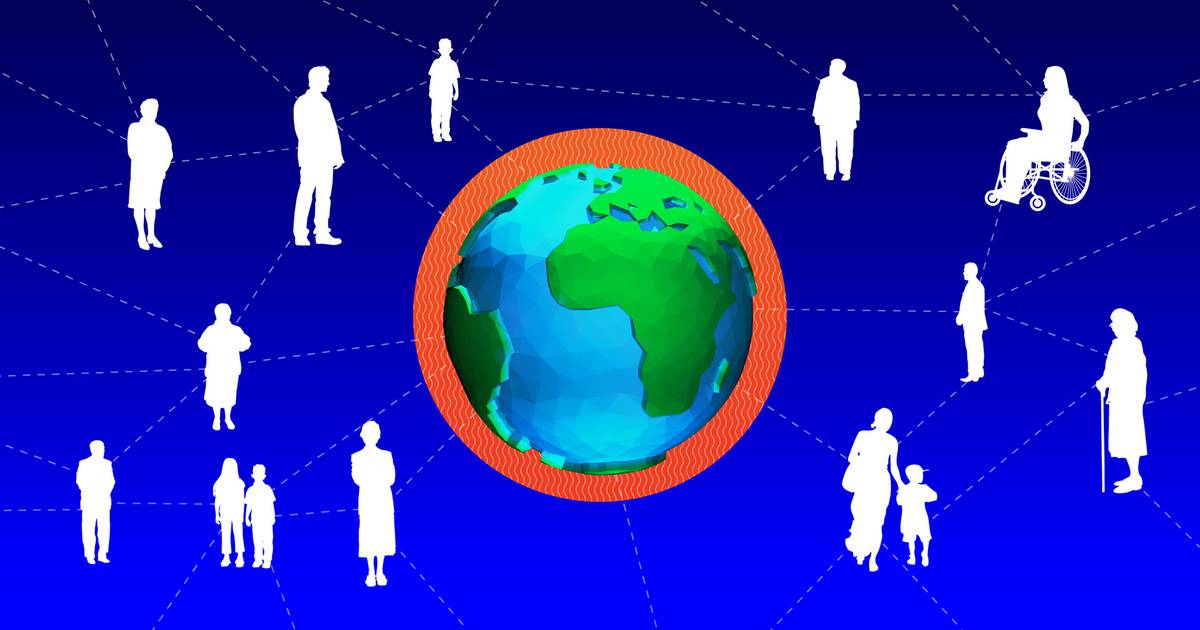
Can people’s individual actions make a difference in how much carbon dioxide is emitted on an international scale?

staffBy staffUpdated:No Comments3 Mins Read
Facebook Twitter Pinterest Telegram LinkedIn Tumblr Email Reddit
Share
Facebook Twitter LinkedIn Pinterest WhatsApp Email

International organizations like the United Nations have called on individuals to limit their carbon footprint and live more sustainably, along with governments and corporations.

Some argue it would be more effective to focus on changing government and corporate policy to limit emissions from the energy and agriculture sectors than asking individuals to limit their carbon footprint, but experts say that while that’s true, every bit of emissions reduction helps.

Advertisement

“We should all be the most responsible citizens we can be in every sense of the word and contribute to a sustainable existence on this planet,” said University of Pennsylvania climate scientist Michael Mann. He said that means, in part, minimizing our carbon footprints as individuals.

And that can take a lot of different forms.

Advertisement

[ What are the biggest sources of carbon emissions? ]

The United Nations Act Now campaign for individual climate action suggests people can minimize their personal carbon footprint directly by changing their energy and transportation use and food consumption. Other, less direct methods for reducing carbon emissions include divesting from fossil fuel companies in retirement plans, protesting to support climate action and lobbying government officials to pass environmentally sustainable policies.

Kim Cobb, a Brown University climate scientist, said there are consequences to individuals having “outsized” carbon footprints. And still there are people who engage in the environmental movement who don’t consider their personal carbon footprint.

“I think we’re living in an anti-gravity moment where people are able to say, ‘I’m not concerned about my first, personal carbon footprint. Collective action matters the most,’” she said. In the future, though, “there will be a moral and social cost to bear by those individuals.”

Still, there are some climate impacts that people aren’t individually responsible for and can’t change on their own. Over 70% of all greenhouse gas emissions produced between 1988 and 2015 came from 100 fossil fuel companies, according a 2017 report by CDP, formerly known as the Carbon Disclosure Project.

[ Why do small degrees of warming matter? ]

And despite the United Nations’ warnings to drastically cut greenhouse gas emissions, countries are planning on extracting double the amount of fossil fuels than what would be consistent with keeping the global temperature rise below 2.7 degrees Fahrenheit, even as they pledge to make ambitious cuts.

So, although there are things individuals can do to minimize their personal carbon footprints, Mann said, “we must not allow … polluters to reframe the discussion so that it falls entirely upon individuals, which takes the pressure off of them.”

“We can’t pass legislation ourselves that incentivizes renewable energy or that blocks new fossil fuel infrastructure. We can’t impose regulations on industry. We can’t negotiate directly with international partners. We need our policymakers to do that,” Mann said. “Those things can only be enacted at the systematic level, and that’s why we have to keep the pressure on policymakers and on corporations and those who are in a position to make the changes that we can’t make ourselves.”

[ Who is most vulnerable to climate change? ]

Share. Facebook Twitter Pinterest LinkedIn Reddit WhatsApp Telegram Email
Previous ArticleWhen monkeypox reaches rural communities, it collides with strained public health systems
Next Article Britt Reid, former Kansas City Chiefs assistant coach, sentenced to 3 years in prison
staff

Related Posts

Uncle Remus Says Similar Restaurant Name Is Diluting Its Brand and Misleading Customers

Youth curfew vote stalled in Chicago City Council’s public safety committee

Organizers, CBA Coalition pushback on proposed luxury hotel near Obama Presidential Center

Leave A Reply Cancel Reply

Video of the Week
https://www.youtube.com/watch?v=AxFXtgzTu4U
Advertisement
Video of the Week
https://www.youtube.com/watch?v=OjfvYnUXHuI
ABOUT US


The Windy City Word is a weekly newspaper that projects a positive image of the community it serves. It reflects life on the Greater West Side as seen by the people who live and work here.

OUR PICKS

Photo essay: The liberation of Friendsgiving

2 Minute Warning Livestream : Looking Inside of Florida PoliTricks

Rivian’s Strategy to Compete with Cybertruck Buyers

MOST POPULAR

Food Pyramid Blind Spots: What Supermarket Civil Rights Teaches Us 

Birmingham-Partnered Warming Station Will Open Sunday and Monday Nights

Empowering Black Parenting: Tips and Insights That Matter

© 2026 The Windy City Word. Site Designed by No Regret Medai.
  • Home
  • Lifestyle
  • Podcast
  • Contact Us

Type above and press Enter to search. Press Esc to cancel.