

A body of water near Palos Park in suburban Cook County has been renamed by the U.S. Board on Geographic Names to remove a slur for Indigenous women, a change members of the Native American community welcome with the hope that future generations are spared harm from the word.
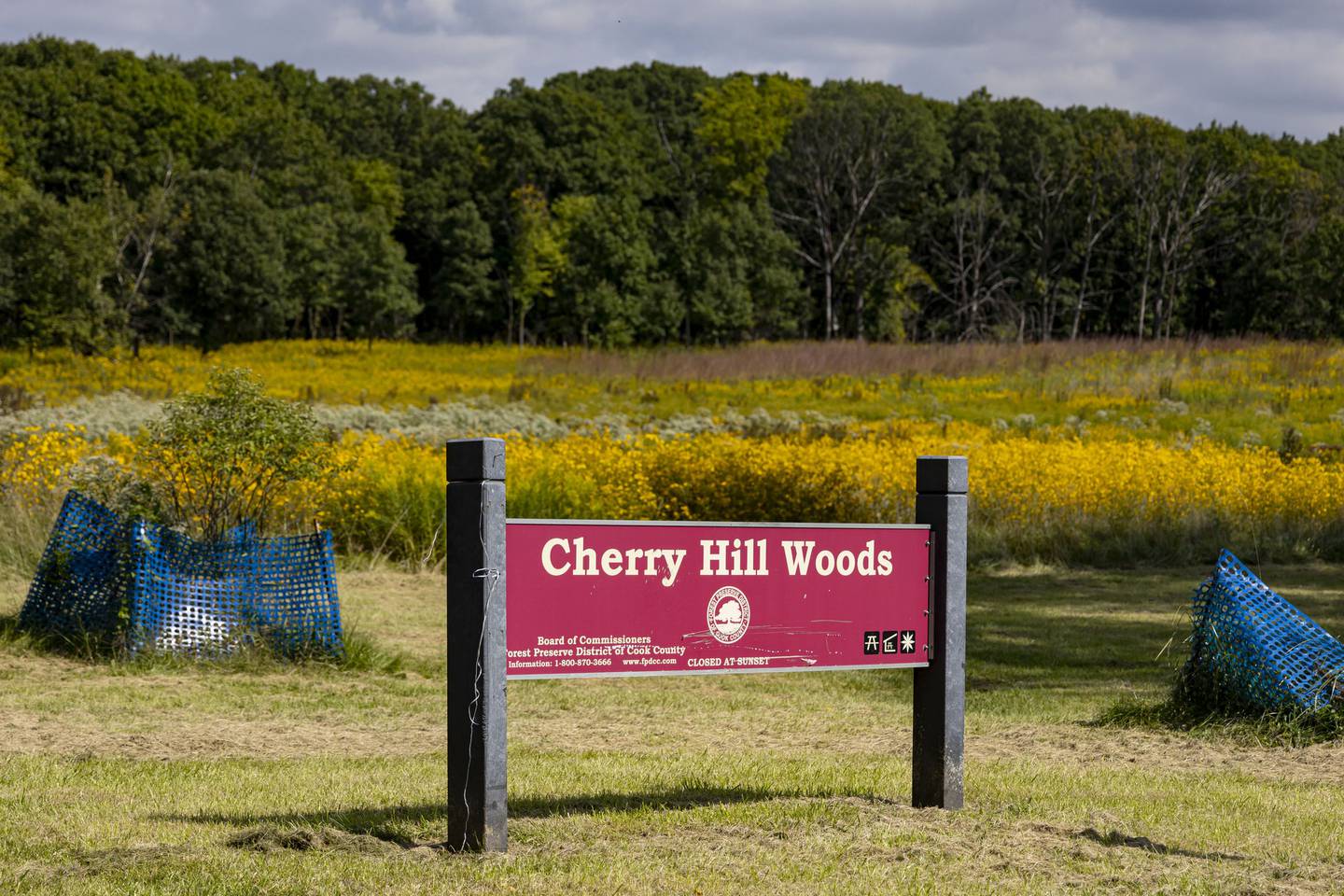
The shallow body of waternow dubbed Cherry Hill Woods Sloughs, is one of nearly 650 geographic features across the country to receive a new name after U.S. Interior Secretary Deb Haaland, who is the first Native American to lead a cabinet agency, issued a secretarial order in November that declared the word “squaw” derogatory and created a process for reviewing and replacing geographic names that use the term.
Advertisement
Formerly known as Laughing Squaw Sloughs, the water feature is one of two sites renamed in Illinois on Sept. 8. The other is an island in Calhoun County formerly known as Squaw Island. It will now be named Calhoun Island.
Dorene Wiese, a 73-year-old member of the White Earth Ojibwe Nationand president of the American Indian Association of Illinois, remembers being called the word starting in kindergarten in Minneapolis.
Advertisement
“As a child, you know that it’s not good, people are calling you a name,” Wiese said. “And then when you get older, you realize it was really worse than we had thought.”
Dating back to the 1800s, cartoon drawings depicted Indigenous women and used the term in an offensive way, Wiese said. She hopes that removing references to the word in place names will be a step to ensure the next generation won’t be subjected to its offense, or even know of the word at all.
“That’s our hope, that in the future that will be erased,” she said.
Removing references to the word started in Illinois more than a year ago.
In 2019, Jim Denomie began raising awareness that a creek in Lake County, named Squaw Creekat the time, contained a slur. Denomie is a citizen of the Bad River Chippewa Indians of Lake Superior and a member of the creek’s drainage district, an agency that is largely responsible for ensuring the health of farm fields and reducing environmental contamination, Chairperson Patrick Duby said.
“But then I’m like, ‘We can take on more than one project,’ ” Duby said. “So I started looking into how can we correct a wrong.”
[ Column: Welcome the new year and the new Manitou Creek ]
The group worked with local historians, tribes, school district, state senators and more to gather public support and submit a proposal to the Board on Geographic Names to change the name of the waterway to Manitou Creek. Manitou refers to a spirit, Denomie said.
“The water itself is the lifeblood of our mother Earth,” he added.
Advertisement
With more than 30 letters of recommendation from levels of government, businesses, tribes and citizens, they submitted a proposal for renaming the creek in September, Duby said, expecting it to be some time before they heard back.
The renaming process, as outlined on the Board on Geographic Names website, takes at least six months and requires a “compelling reason” and “evidence of support for the change.“ In this instance, the board approved the new name of Manitou Creek in early December, and the Manitou Creek Drainage District’s efforts were soon part of a national movement.
Under Haaland’s order, the Derogatory Geographic Names Task Force received more than 1,000 recommendations for name removal and consulted nearly 70 tribal nations, according to the Department of the Interior. Since February, the word has been referred to as “sq___” in all official communications from the department.
In 2021, sq___ became the third term declared derogatory in all uses by the Board on Geographic Names, following pejorative terms for Black people and Japanese people in the ’60s and ’70s.
Haaland issued an additional order creating the advisory committee on reconciliation in place names tasked with soliciting feedback for additional derogatory terms used on federal land.
“I feel a deep obligation to use my platform to ensure that our public lands and waters are accessible and welcoming. That starts with removing racist and derogatory names that have graced federal locations for far too long,” Haaland said in a news release.
Advertisement
While Illinois does not have any federally-recognized tribes within the state, Chicago has one of the largest urban Native American populations in the country. Many members of the Native American community still feel cultural ties to natural places and their names signify honor, said Jasmine Gurneau, president of the Chicago American Indian Community Collaborative.
“They are more than just recreation spaces, they are culturally significant, spiritually significant to us,” she said.
The former name of Cherry Hill Woods Sloughs was identified as problematic a few years ago by the Forest Preserves, said Carl Vogel, a spokesman for the Cook County Forest Preseve District in an emailed statement. It was likely coined in the 1940s when the area was used as a landmark for camping.
Today, the area is not accessible by trailand no signage or amenities greet visitors at the site and is not one of the five campsites designated by the Forest Preserve District.
The forest district submitted the name to the task force in April, recommending that it be renamed Muskrat Sloughs, a name selected with input from the Native American community, Vogel said. Gurneau said the muskrat is an animal that plays an important role in many of the creation stories of the Great Lakes tribes.

Afternoon Briefing
Daily
Chicago Tribune editors’ top story picks, delivered to your inbox each afternoon.
According to a February news release from the Department of the Interior, the task force would prioritize names received from the public and Tribal nations. Both Vogel and Gurneau said it’s unclear why the name Muskrat Sloughs wasn’t selected.
Advertisement
“Regardless, the main issue is that the derogatory name will no longer appear in any capacity,” Vogel said in the statement.
The Forest Preserve District will continue to review names to ensure they are respectful, he said. Gurneau said these reviews involve not only looking for potentially derogatory names but also for opportunities to educate communities on what current names represent and honor. For example, she said she is currently working the Skokie Park District, which has several parks named after tribal nations.
“Maybe the tribe doesn’t want that name to be changed, but what a great opportunity it is to uplift that community,” she said.
Wiese said before that Thursday’s announcement, she didn’t know there were places in Illinois that still used the word. Currently based in Chicago, Wiese’s current goals as president of the American Indian Association of Illinois are raising awareness of the references to Native Americans in public school mascots across the state and working toward the inclusion of American Indian history in public school curricula.
“I think anything that draws attention to Native history in Illinois is important because we have so little information about American Indians here and around the country.” Wiese said. “It’s really been a huge lift to try to get an interest in anything about Native Americans in Chicago and Illinois.”