
Close Menu
  • Home
  • News
    • Local
  • Opinion
  • Business
  • Health
  • Education
  • Sports
  • Podcast

Subscribe to Updates

Get the latest creative news from FooBar about art, design and business.

What's Hot

Federal Agents Search Ilhan Omar’s Home Just 22 Days Before Election

‘We Are Ready’: NAACP Launches Voter Protection Hub Ahead of Midterms

Comedy and Loss Collide in Kevonstage’s ‘Grief Sucks’ at the Pageant

Facebook X (Twitter) Instagram
  • Lifestyle
  • Podcast
  • Contact Us
Facebook X (Twitter) Instagram Pinterest Vimeo
The Windy City Word
  • Home
  • News
    1. Local
    2. View All

    Youth curfew vote stalled in Chicago City Council’s public safety committee

    Organizers, CBA Coalition pushback on proposed luxury hotel near Obama Presidential Center

    New petition calls for state oversight and new leadership at Roseland Community Hospital

    UFC Gym to replace shuttered Esporta in Morgan Park

    OP-ED: She’s Not Non-Compliant, She’s Hungry: Addressing Food Justice to Improve Breast Cancer Outcomes

    Cash for Moms: As Medicaid Cuts Loom, Cities Test a New Approach to Black Maternal Health

    More Families to Benefit from Evidence-Based Home Visiting

    Allen Temple Baptist Church Hosts Free Prostate Cancer Screenings on Oct. 17

  • Opinion

    Rep Davis, Olive Post CDR., Call on Trump to Restore file of Black Vietnam War Hero to Website

    Capitalize on Slower Car Dealership Sales in 2025

    The High Cost Of Wealth Worship

    What Every Black Child Needs in the World

    Changing the Game: Westside Mom Shares Bally’s Job Experience with Son

  • Business

    Illinois Department of Innovation & Technology supplier diversity office to host procurement webinar for vendors

    Crusader Publisher host Ukrainian Tech Businessmen eyeing Gary investment

    Sims applauds $220,000 in local Back to Business grants

    New Hire360 partnership to support diversity in local trades

    Taking your small business to the next level

  • Health

    OP-ED: She’s Not Non-Compliant, She’s Hungry: Addressing Food Justice to Improve Breast Cancer Outcomes

    Cash for Moms: As Medicaid Cuts Loom, Cities Test a New Approach to Black Maternal Health

    More Families to Benefit from Evidence-Based Home Visiting

    Allen Temple Baptist Church Hosts Free Prostate Cancer Screenings on Oct. 17

    Houston’s ‘call Me Mother’ Exhibit Opens Today, Spotlighting Black Maternal Health

  • Education

    Author Kristen Amundson Explains ‘The Grandparent Effect’ and How It’s Helping Children Thrive Through Love, Support, and Connection

    Responsible AI Development Requires a Seat at the Table for Black America

    COMMENTARY: Being Frank: a Safe Place

    Outnumbered: Elbert Cox’s Equation for Greatness

    Gov. Newsom’s Latest Appointees Include Sacramento Advocate for Formerly Incarcerated Students; State’s New Tech Chief

  • Sports

    Jaguars Do Better: Top of Ladder or Resting at the Bottom

    NFL: Bryce Young is Proving “Patience is a Virtue”

    WNBA Playoffs: DeWanna Bonner and Atlanta Dream dominate on defense, Win Game 1

    Angel Reese Wins 2026 WNBA Defensive Player of the Year

    A Viral Moment with Purpose: Keep Your Head Up Gives Back

  • Podcast
The Windy City Word
Featured

A Revolutionary Voice Falls Silent, but Questions About His Conviction Grow Louder

staffBy staffUpdated:No Comments4 Mins Read
Facebook Twitter Pinterest Telegram LinkedIn Tumblr Email Reddit
Share
Facebook Twitter LinkedIn Pinterest WhatsApp Email

By Stacy M. Brown
Black Press USA Senior National Correspondent

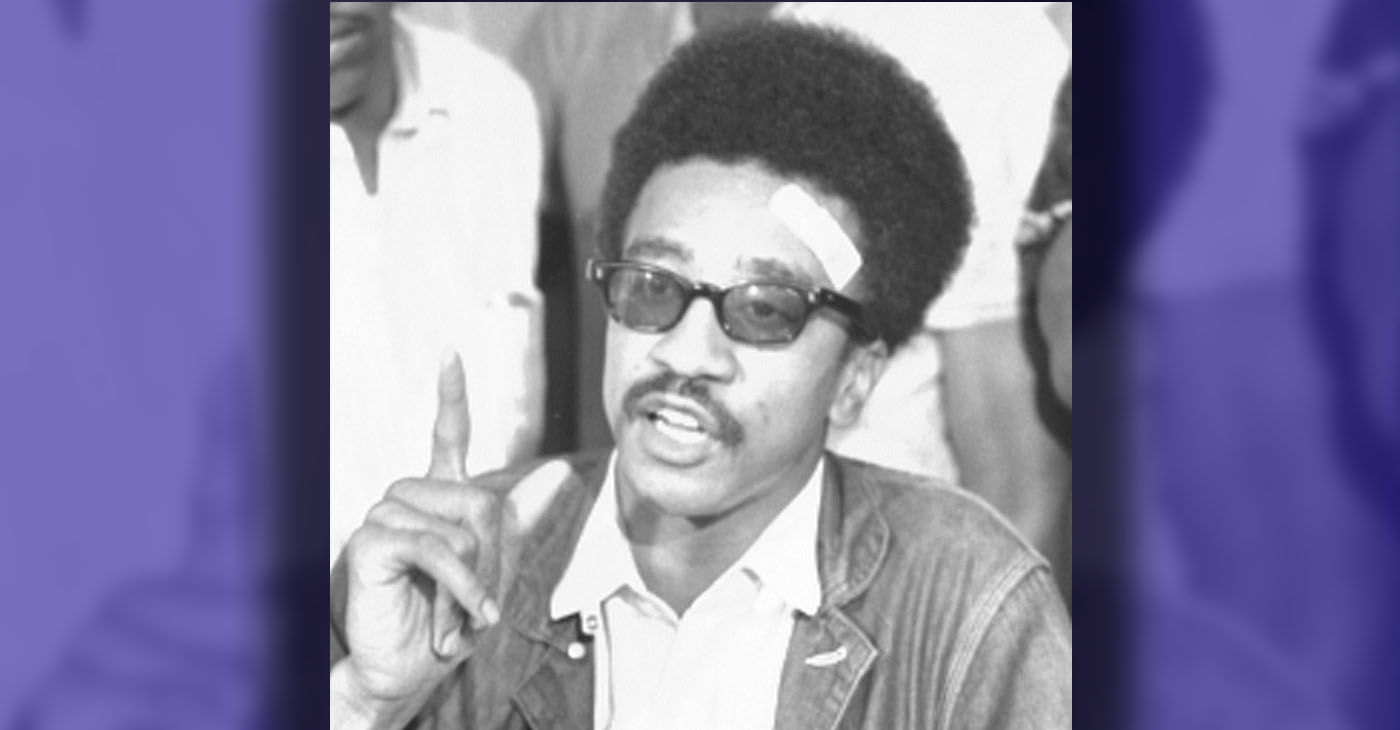
Rap Brown did not wait for permission to define himself. Long before federal agents called him a menace and politicians wrote laws in his name, he was a young man from Baton Rouge who believed the country needed an honest confrontation with its own history. Long before he died at 82 in a federal medical facility in North Carolina, he had already become Imam Jamil Abdullah Al-Amin, a name he adopted after turning to Islam inside Attica.

“Violence is necessary. Violence is a part of America’s culture. It is as American as cherry pie,” he said during the height of the Black Power movement.

Brown grew up fighting his way to and from school. He was sent to a Catholic orphanage for discipline and learned early that resistance required both strength and wit. He earned the nickname “Rap” for his unmatched wordplay on the streets of Baton Rouge. His political direction began with his older brother, Ed Brown, who introduced him to the Nonviolent Action Group at Howard University, where Brown met future movement leaders like Courtland Cox, Muriel Tillinghast, and Stokely Carmichael. Carmichael later described him as a serious and strong brother whose calm presence inspired confidence.

By 1967, Brown became chairman of the Student Nonviolent Coordinating Committee at just 23 and immediately pushed the group to remove the word “nonviolent” from its name. His speeches captured the rage of Black communities across America. He reminded audiences that Black people had waited a century after emancipation for promises that never came. “Black folk built America, and if it don’t come around, we’re gonna burn America down,” he told crowds from college campuses to street corners.

Federal authorities responded with surveillance and suppression. FBI COINTELPRO documents placed him on a list of four men considered top targets to disrupt. Congress passed the federal anti-riot statute in 1968 and openly called it the “H. Rap Brown Law.” When asked for comment, Brown rejected the idea that a statute could contain widespread fury. “We don’t control anybody,” he said. “The Black people are rebelling.”

His arrest record grew as law enforcement pursued him across states. In 1971, he was wounded in a police shootout in New York, denied the charges, and was convicted of robbery and assault. He served five years in Attica. That time behind bars reshaped him. The foreword to “Die Nigger Die” describes his spiritual shift as a change rooted in self-discipline and study, noting that he embraced Islam and emerged committed to building a moral path forward.

After his release, now known as Imam Jamil Abdullah Al-Amin, he settled in Atlanta’s West End. He founded a mosque, ran a small store, organized youth programs, and worked to rid the neighborhood of drugs. He preached self-control and responsibility. He explained that the Muslim’s duty began with teaching oneself and then guiding one’s family, adding that successful struggle required remembrance of the Creator along with the doing of good deeds.

To many in Atlanta, he became a trusted spiritual leader. A local Islamic civic leader called him a pillar of the Muslim community. To law enforcement, he remained the militant figure they had pursued in the 1960s. FBI agents infiltrated his religious circle. The New York Times reported that some investigations began shortly after the first World Trade Center bombing in 1993.

In 2000, two Fulton County deputies were shot while serving a warrant. One died. The surviving deputy identified Imam Al-Amin. He denied involvement. Federal inmate Otis Jackson later confessed repeatedly and under oath to being the shooter. The Fulton County District Attorney’s Conviction Integrity Unit interviewed Jackson but never moved to vacate the conviction.

After Imam Al-Amin died in federal custody, CAIR and its Georgia chapter renewed their call for justice. CAIR National Executive Director Nihad Awad issued a statement that read, “To God we belong, and to Him we return. Imam Jamil Al-Amin was a hero of the civil rights movement and a victim of injustice who passed away in prison, jailed for a crime he did not commit.” Awad added that the justice system should reopen the case and clear his name.

Brown’s life spanned eras of open segregation, mass rebellion, state repression, spiritual transformation, and community leadership. He understood that freedom movements required structure and purpose. In one of his clearest reflections on struggle, he said liberation movements had to rest on political principles that gave meaning and substance to the lives of the masses. “And it is this struggle,” he said, “that advances the creation of a people’s ideology.”


Share. Facebook Twitter Pinterest LinkedIn Reddit WhatsApp Telegram Email
Previous ArticleBeyoncé and Jay-Z make rare public appearance with Lewis Hamilton at Las Vegas Grand Prix
Next Article IN MEMORIAM: Jimmy Cliff: Music Pioneer and Partner to Bob Marley, Dies at 81
staff

Related Posts

Federal Agents Search Ilhan Omar’s Home Just 22 Days Before Election

‘We Are Ready’: NAACP Launches Voter Protection Hub Ahead of Midterms

Comedy and Loss Collide in Kevonstage’s ‘Grief Sucks’ at the Pageant

Leave A Reply Cancel Reply

Video of the Week
https://www.youtube.com/watch?v=AxFXtgzTu4U
Advertisement
Video of the Week
https://www.youtube.com/watch?v=OjfvYnUXHuI
ABOUT US


The Windy City Word is a weekly newspaper that projects a positive image of the community it serves. It reflects life on the Greater West Side as seen by the people who live and work here.

OUR PICKS

2 Minute Warning – 2025 Invesco QQQ Orange Blossom Classic: Built on History, Fueled by Pride

Exploring the @Nissan Rogue: Is the $48K Trim Worth It?

Tiguan’s Killer Look: Grill, Wheels & Brakes That Wow!

MOST POPULAR

OP-ED: She’s Not Non-Compliant, She’s Hungry: Addressing Food Justice to Improve Breast Cancer Outcomes

Cash for Moms: As Medicaid Cuts Loom, Cities Test a New Approach to Black Maternal Health

More Families to Benefit from Evidence-Based Home Visiting

© 2026 The Windy City Word. Site Designed by No Regret Medai.
  • Home
  • Lifestyle
  • Podcast
  • Contact Us

Type above and press Enter to search. Press Esc to cancel.