



By Stacy M. Brown
Black Press USA Senior National Correspondent
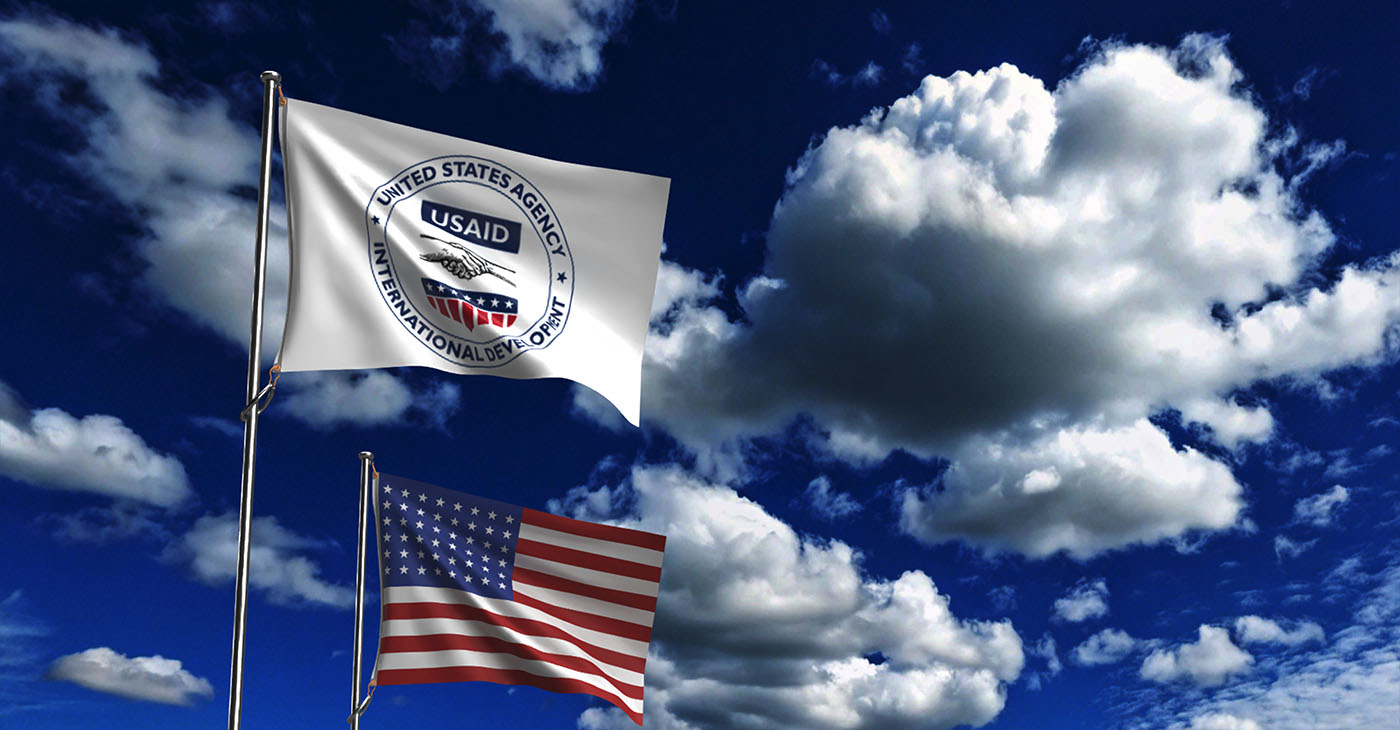
The Trump administration’s decision to dismantle the United States Agency for International Development has triggered a humanitarian catastrophe that can only be described as state-engineered cruelty. Reports from The New Yorker, KFF, ABC News, and humanitarian groups reveal a grim portrait of what happens when governance becomes an instrument of vengeance rather than stewardship.
President Trump’s second term began not with promises of compassion but with an executive order freezing all foreign aid, a move that would become the prelude to the deliberate erasure of the world’s largest aid agency. Within weeks, USAID was gutted—its workers dismissed, its programs dismantled, its warehouses of medicine and food left to rot. As of November, estimates show that more than 600,000 people—two-thirds of them children—have died from the ripple effects of that act. This is not the invisible hand of fate. It is the heavy hand of policy. The Trump administration didn’t merely stop aid—it severed a lifeline for the world’s poor. Clinics once sustained by USAID have shuttered across Africa and Asia. Health workers who used to deliver antiretrovirals and malaria nets are now unemployed. The World Food Programme, stripped of U.S. support, operates at less than half its needed capacity in places like Kenya’s Kakuma refugee camp, where starving mothers now cradle their dying children in silence.
The cruelty of this moment lies not just in the deaths but in the lies used to justify them. Trump’s lieutenants—Secretary of State Marco Rubio and Department of Government Efficiency head Elon Musk—called USAID a bloated relic. They claimed they were rooting out waste. Yet the numbers tell another story. The administration spent $40 billion to prop up Argentina’s far-right junta, $170 million on two private jets for South Dakota Governor Kristi Noem, and even allowed FBI Director Kash Patel to use a $60 million government aircraft to attend a wrestling event where his girlfriend performed. Trump himself has spent over $30 million in taxpayer funds playing golf while slashing food aid for American families and cutting health care for the poor. He poured $300 into destroying the White House’s east wing and creating a vanity ballroom while gutting funding for global nutrition programs. Meanwhile, USAID—an agency that costs each American about twenty-four dollars a year—had saved ninety-two million lives since its founding. Its programs helped cut child mortality in half, controlled outbreaks of HIV and tuberculosis, and lifted entire nations from the edge of despair. The Trump administration snuffed out that light in a single stroke of the pen.
The results are biblical in scale and bureaucratic in method. In Myanmar, where 20 million people depended on U.S. aid, HIV and malaria deaths are climbing again. In Bangladesh, more than a million Rohingya refugees are now on the brink of starvation. Across sub-Saharan Africa, clinics that once thrived under USAID’s maternal health programs have closed, leaving women to give birth in the dark, unaided, and unseen. Even in the Caribbean, where Hurricane Melissa tore through Jamaica and Haiti, the consequences of the agency’s destruction were immediate. The State Department, now responsible for aid delivery, scrambled to respond with barely $24 million in assistance, less than what USAID could have mobilized in a day. Officials in Washington hailed it as a success, blind to the reality that lives were lost because the machinery of mercy had been dismantled.
At home, the hypocrisy is just as staggering. The administration argues it cannot afford to sustain food programs like SNAP and WIC, while the federal deficit has ballooned by nearly $7.8 trillion under Trump, and has been driven by tax cuts for the wealthy and reckless spending disguised as nationalism. The debt, the deaths, the decadence, they are all part of the same rot. The death of USAID marks more than the end of an agency. It is the end of a promise that America would use its wealth to heal, not to harm. The cruelty is the point, but cruelty has a cost. It stains the conscience of a nation that once sent doctors where there were none, food where there was hunger, hope where there was despair. Atul Gawande, writing in The New Yorker, called it “public man-made death.” He described the children of Kenya’s Kakuma camp, dying for lack of a peanut-paste packet that once cost sixty cents. He warned that these deaths, though quiet and dispersed, are no less real than those caused by bombs or bullets. “We cannot let the people affected—health workers like those of Clinic 7, families like Rovina Naboi’s—go unseen,” he wrote. “And we cannot let the consequences go unaccounted for.”
In the end, Trump’s legacy may not be written in the walls he promised to build, but in the graves of those he let die, not out of necessity, but out of indifference.