



By Delegate N. Scott Phillips
As Americans celebrate the 250th anniversary of our nation’s founding, we should do so with both pride and purpose. Two hundred and fifty years is an extraordinary milestone and is worthy of reflection on the ideals of democracy, and liberty and justice for all. For African Americans, the American story has always been one of profound contradiction. We have consistently believed in the promise of this nation, even when the nation did not believe in us. So, this seminal moment in our history should not only invite celebration; it should also demand honest examination of how well America has delivered on its promise. In 1963, Dr. King, argued that the Declaration of Independence and the Constitution were a “promissory note” guaranteeing certain rights to all Americans but “has come back marked insufficient funds” for Black Americans. In 2026, we must assess the progress made since Dr. King’s dream speech.
Let’s be clear, African Americans have done our part, we have fought in every war, built businesses, advanced science, created culture, and strengthened our democracy, often while being denied its full benefits. There has been undeniable progress, but significant challenges still remain.
As Chairman of the Maryland Legislative Black Caucus, I believe this moment calls for our collective vigilance and less complacency. The distance between our founding ideals and our lived reality has narrowed since the civil rights movement, but it has not disappeared. Equity in economic and educational opportunity, access to affordable housing, fair protection under the law, and competent political representation remain unfinished business.
One of the greatest Marylanders ever, Frederick Douglass, famously challenged America to reconcile its lofty aspirational principles with its actual treatment of Black citizens in his speech What to the Slave Is the Fourth of July? His words resonate to this day because the answer to his question remains incomplete and insufficient. Every generation inherits the responsibility to move this nation closer to its own ideals and ours is no exception.
Maryland has a lot to be proud of when it comes to the political ascension of African Americans in our state. None but the Old Line State can boast that Blacks serve as Governor, Attorney General, State Treasurer, US Senator, Mayors, and County Executives of over 62% of Maryland’s population and a legislative Black Caucus that comprises 29% of the legislature, the largest percentage in the nation. We have made meaningful investments in education, entrepreneurship, criminal justice reform, and community development.
Yet with all that has been accomplished, disparities persist and since better outcomes are possible, we must stay committed to doing better and doing more. The reality in Maryland is that Black families continue to face significant wealth gaps. Black-owned businesses still encounter barriers to accessing capital and procurement opportunities. Black communities are disproportionately impacted by economic instability and health inequities. These are not abstract statistics; they are realities that shape the everyday lives of too many Black Marylanders.
The timing of this year’s Independence Day reflection is especially significant as Maryland prepares for Governor Moore to convene a special legislative session on congressional redistricting. Redistricting is far more than drawing lines on a map. It determines whose communities remain whole, and whose interests are represented in the halls of power.
The Maryland Legislative Black Caucus believes that we have an obligation to ensure that African American voting strength is not diluted and that the hard-fought gains secured through generations of sacrifice are preserved. Fair representation is not about guaranteeing outcomes; it is about guaranteeing opportunity. Every Marylander deserves an equal voice in choosing those who represent them.
Our democracy is strongest when every community can participate fully and meaningfully. Protecting Black electoral influence is not a partisan objective; it is a democratic imperative rooted in the fundamental principle that every vote should carry equal weight. As legal and political challenges continue to reshape the landscape of voting rights across the country, Maryland must remain committed to protecting the inclusive representation that has been fought for generation after generation.
The Maryland Legislative Black Caucus will continue to advocate for policies that expand opportunity, protect civil rights, and strengthen our democracy. We recognize that representation is only the beginning. True progress will be evident in positive measurable outcomes in economic mobility, educational achievement, better public safety, and fair access to justice for every Marylander.
As we gather with family and friends this Fourth of July, let us celebrate how far America has come but never denying how far we still must go. Patriotism is not measured solely by our willingness to celebrate our nation’s achievements, but also by our commitment to perfecting our imperfect union.
America’s 250th birthday should inspire us to renew the fight for the promise of our democracy. We owe it to those who fought for but never lived long enough to enjoy the blessings of freedom and to the next generation who should inherit a better America than their foreparents.
That is the work of the Maryland Legislative Black Caucus and all people of good conscience who lead while serving as educators, mavens of business and industry, faith leaders and community activists; and this task before us cannot be lost amid celebratory parades, commemorative speeches and patriotic celebrations from the city to the shore. It requires us to redouble our persistence, and principled leadership in the pursuit of America’s promise.
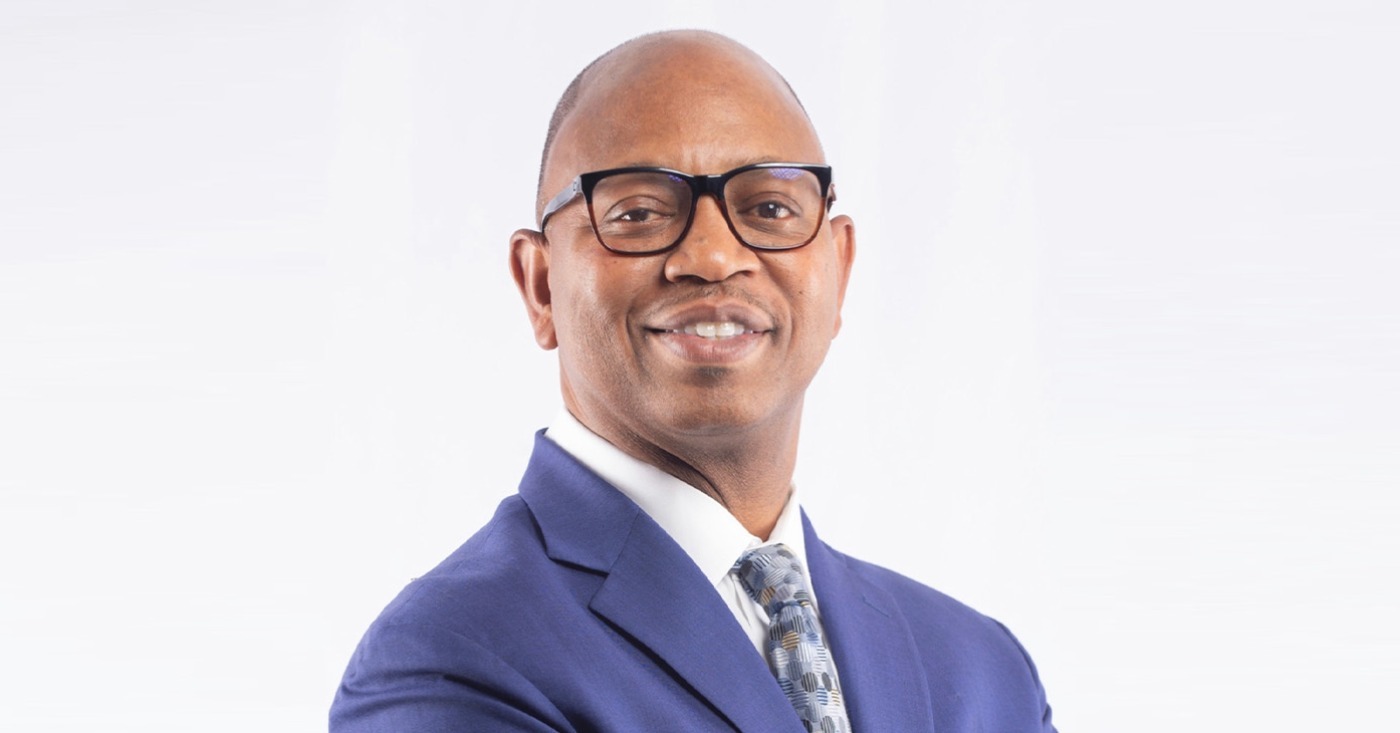
Delegate N. Scott Phillips is the Chairman of the Legislative Black Caucus of Maryland.
The post OP-ED: 250 Years of America – Progress on the Promise? appeared first on BlackPressUSA.