





By Shikha D | San Diego Voice and Viewpoint
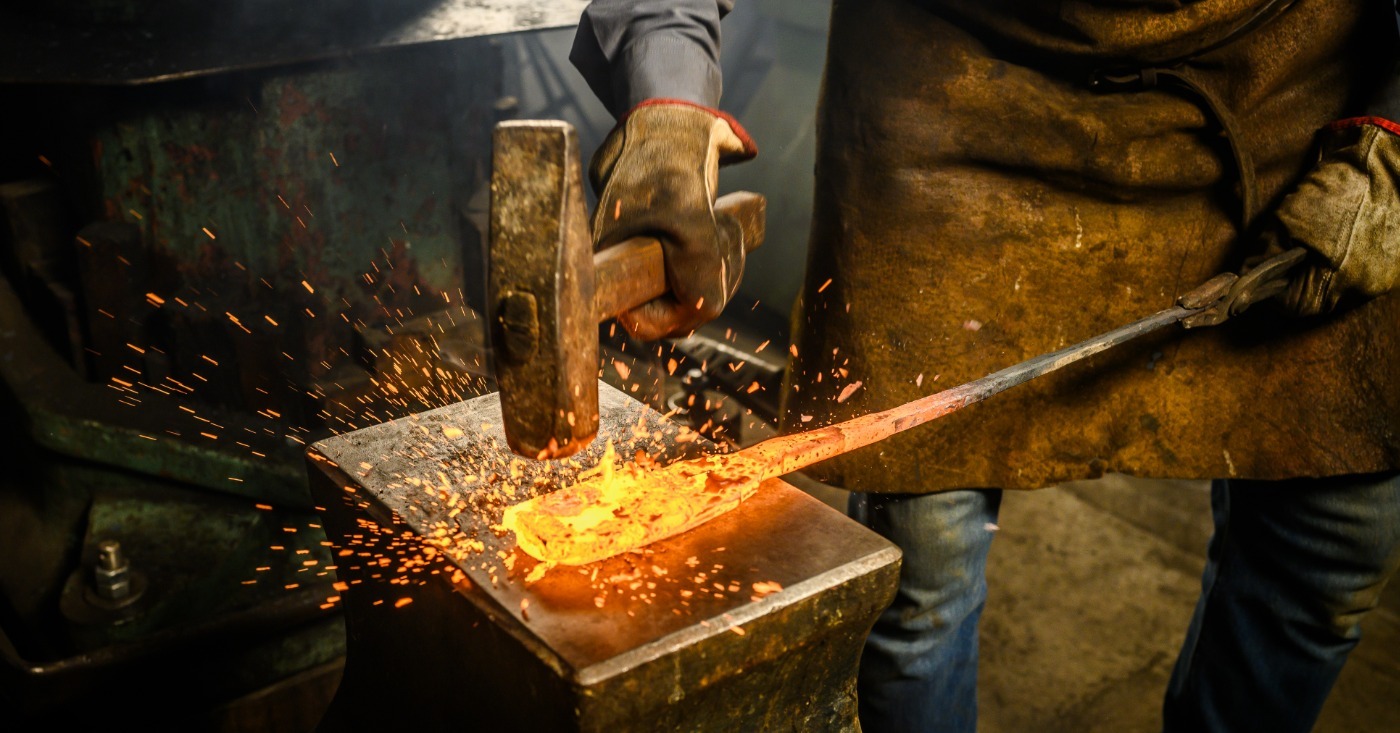
Some things to know about Black blacksmiths are that skilled artisans worked under very difficult conditions, ironwork was a form of artistic expression for them, and it still defines and shapes the Southern landscape.
You probably had no idea, but a lot of the ironwork that you see as you walk through many historic Southern cities comes from the labor and creativity of Black blacksmiths.
One great example from Charleston ironwork is Philip Simmons, considered an ironworking legend. Some say that Charleston, from end to end, is truly decorated by his hand.
These include the iron gates, decorative balconies, ornate fences, hand-forged railings, and detailed architectural metalwork that’s become a part of a lot of iconic buildings in the Southern USA. Most people see these architectural elements and immediately attribute them to the whites, which is why it’s important to recognize the central role Black blacksmiths played in creating much of this enduring ironwork.
Through exceptional skill, creativity, and craftsmanship, generations of Black artisans helped shape the visual identity of Southern cities. American ironwork history should be taught in schools so that Black blacksmiths can get the recognition they deserve.
Blacksmithing Was an Essential Trade
During the eighteenth and nineteenth centuries, blacksmithing was among the most important skilled trades in America.
Blacksmiths produced a wide variety of essential items, including:
- Tools
- Farming equipment
- Horseshoes
- Hand-forged hardware
- Structural components
- Decorative architectural features
Communities depended heavily on these craftsmen for both practical and aesthetic needs.
In many Southern cities, Black blacksmiths became highly valued for their technical abilities and artistic expertise. Their work supported construction projects, transportation systems, agriculture, and urban development during periods of significant growth.
The importance of their contributions extended far beyond decorative ironwork alone.
Craftsmanship Shaped the Southern Landscape
Many of the architectural details now associated with historic Southern charm were created through the labor and skill of Black ironworkers.
The following elements became defining features of homes, public buildings, and commercial properties:
- Decorative gates
- Balcony railings
- Fences
- Staircases
- Ornamental designs
These elements combined functionality with artistry, adding character and distinction to urban environments.
The handcrafted nature of ironwork meant that each piece reflected the knowledge and craftsmanship of the artisan who created it.
Many designs continue to attract admiration from architects, preservationists, and visitors today.
Skilled Artisans Worked Under Difficult Conditions
The history of Black blacksmiths in the South is deeply connected to broader historical realities.
Many highly skilled Black artisans worked during periods when opportunities, recognition, and economic independence were severely limited. Despite these obstacles, they developed sophisticated expertise and made significant contributions to their communities and local economies.
In many cases, their work became integral to major construction projects and public infrastructure.
Although the finished ironwork often received attention, the identities and stories of the craftsmen who created it were not always fully documented or recognized. Today, historians continue working to better understand and highlight these important contributions.
Ironwork Became a Form of Artistic Expression
Blacksmithing required more than technical knowledge.
Creating decorative architectural ironwork demanded:
- Creativity
- Precision
- Artistic vision
Skilled artisans transformed raw metal into elegant patterns, intricate scrollwork, floral motifs, geometric designs, and custom features that enhanced the appearance of buildings and public spaces.
The resulting work often blended functionality with artistry. If you would like to bring some of this beautiful artistry into your own home, consider these hand-forged wrought iron hardware pieces.
These designs contributed to the distinctive visual identity of many Southern cities and helped establish architectural traditions that continue influencing design today.
Preservation Efforts Highlight Historical Contributions
As interest in historic preservation grows, more attention is being given to the craftsmen who created many of the structures and decorative elements that survive today.
Preservation projects frequently involve restoring original ironwork and researching the history behind these pieces. Historians, museums, cultural organizations, and preservation groups are increasingly recognizing the role Black artisans played in shaping the built environment.
These efforts help ensure that important contributions are not lost to history.
Understanding who created these blacksmithing heritage works provides a more complete picture of Southern architectural development.
Their Influence Remains Visible Today
One of the remarkable aspects of traditional ironwork is its durability.
Many pieces created generations ago remain in use today, continuing to serve both functional and decorative purposes. Visitors walking through historic districts may unknowingly encounter the wrought iron craftsmanship of Black blacksmiths whose work has endured for decades or even centuries.
This lasting presence demonstrates the quality and significance of their craftsmanship. Their influence remains woven into the physical fabric of many communities.
Frequently Asked Questions
How Are New Generations of Craftsmen Inspired by the Past?
The legacy of Black blacksmiths continues to inspire contemporary metalworkers, artists, and craftspeople.
Modern artisans often study historical techniques and design traditions to better understand the skills that shaped earlier generations of work. Educational programs, cultural exhibits, and preservation initiatives are helping bring greater awareness to this important chapter of American craftsmanship.
By highlighting these achievements, communities can celebrate both artistic excellence and historical contributions.
How Can You Support Black Blacksmiths From the Old South?
The best way to acknowledge the hard work, artistry, and creativity of Black blacksmiths is to know their history, their names, and their hand-forced hardware. Consider the following tips:
- Read up on their history
- Support artisan Black blacksmiths in current times by buying their works
- Speak to others and spread this knowledge about Black blacksmiths
It’s all about spreading the beauty of Black blacksmithing heritage to everyone in America.
Realize the Contributions of Black Blacksmiths To the South
Black blacksmiths played a vital role in building the American ironwork history. Through their expertise, they transformed iron into works of lasting beauty that continue to influence the character of Southern architecture today.
You can still see their beauty as you walk around the towns and cities of the Southern USA. It’s amazing how long these pieces have lasted. They were made to last, but they also have such aesthetic beauty.
Please check out related articles on our website for more interesting content.
Based on reporting by San Diego Voice & Viewpoint.
The post Black Blacksmiths Built the Ironwork Still Defining Southern Cities appeared first on BlackPressUSA.