




By Lauren Burke
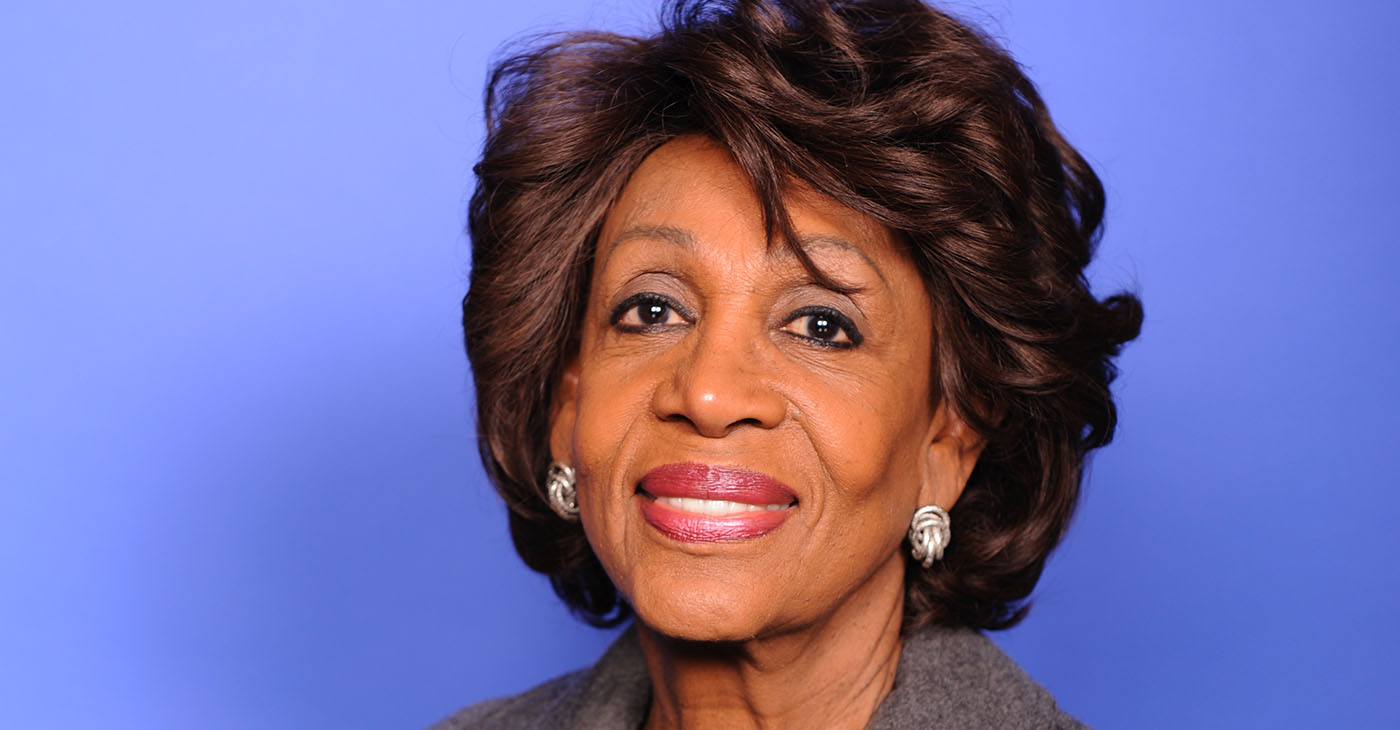
Representative Maxine Waters, the veteran California Democrat and longtime standard-bearer of congressional leadership, received the National Council of Negro Women’s highest honor on December 5.
At the organization’s 90th annual gala in Washington DC, Rep. Waters was presented with the Uncommon Height Crystal Stair Award, named after Dr. Dorothy Height, the legendary civil rights leader who led the council for more than four decades. The honor recognized not only Waters’s decades in public office but her role as one of Washington’s most unyielding critics of inequality, corporate power and political retrenchment on civil rights.
In her acceptance speech, the California Congresswoman framed the moment as a continuation of unfinished work. She reflected on Dr. Height’s place among the “Big Six” leaders of the civil rights movement during the 60s and praised her ability to build institutions as well as movements. The work has extended far beyond marches to include policy change.
“Dr. Height did more than protest injustice,” Waters said on Dec. 6. “She built something that would last.”
Congresswoman Waters, 87, has made a career of combining activism with power. First elected to Congress in 1990, she is now the ranking member of the House Financial Services Committee and previously served as its chair. She was the first Black woman to lead the powerful panel. From that position, she shaped debates over banking regulation, housing policy and economic inequality, often pressing institutions she argued were insulated from accountability. As chair during the Trump administration, Ms. Waters became a central figure in congressional oversight of Wall Street and the federal government’s financial apparatus.
Congresswoman Waters used her gavel to scrutinize major banks, defend the Consumer Financial Protection Bureau against efforts to weaken it, and press federal agencies to enforce fair housing and lending laws. She was also a leading voice in imposing financial sanctions on Russia after its invasion of Ukraine, arguing that economic tools were essential to global accountability.
Over three decades in office, Ms. Waters has been a consistent advocate for affordable housing, consumer protections, pay equity and racial justice. She played a key role in shaping housing provisions in pandemic-era relief legislation and has long argued that economic policy is inseparable from civil rights.
Her remarks on Saturday night took on a sharper political edge as she turned from history to the present day. Waters condemned attacks on diversity initiatives, voting rights and public education. Such policies, she said, amounted to an assault on Black families themselves — the very communities Dr. Height sought to strengthen through initiatives like the National Black Family Reunion, which the two women once organized together in Los Angeles.
“Dr. Height taught us how to fight moments like this,” Ms. Waters said. “She would not wait. She would act.”
Waters’ words reflected a consistent theme: Confrontation as a moral obligation. Revered by supporters for her fearlessness and criticized by opponents for her bluntness, she has remained unapologetic about using her platform to challenge presidents, corporations and colleagues alike.
“As long as I have a voice and a vote,” Ms. Waters said, “I will continue to march, build and fight.”
The National Council of Negro Women created an evening that served as a bridge between generations by honoring a living lawmaker whose career has been shaped by the movement’s pioneers, and who continues to argue that their lessons are as urgent now more than ever.