




by Alexander Hinton, Rutgers University – Newark
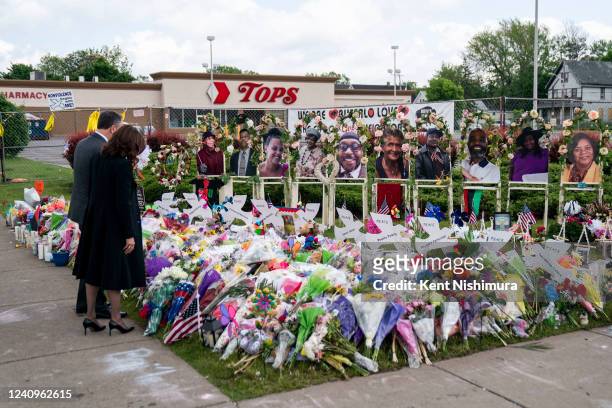
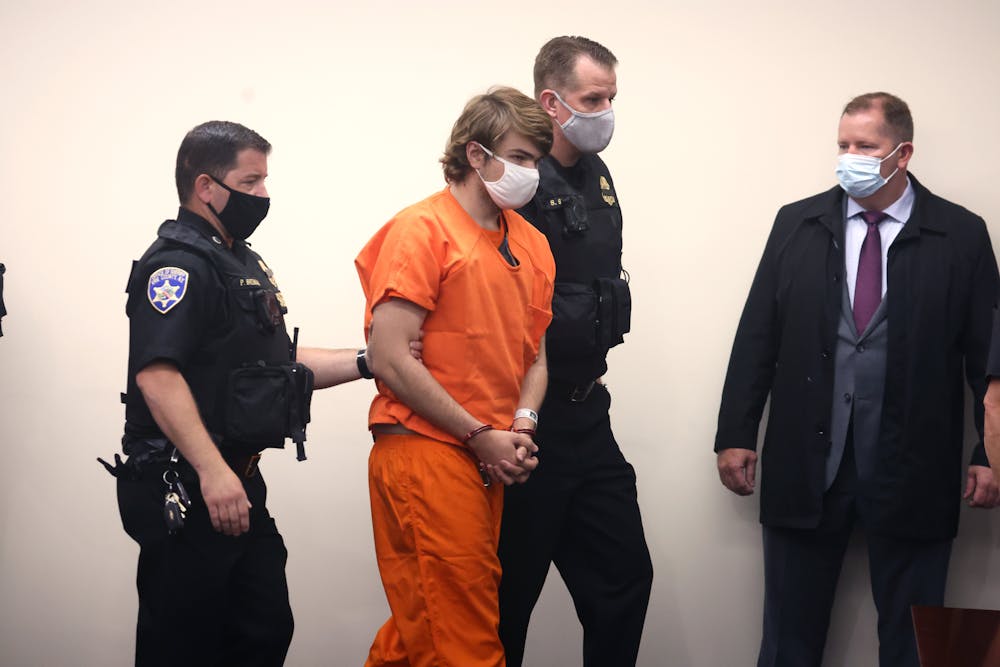
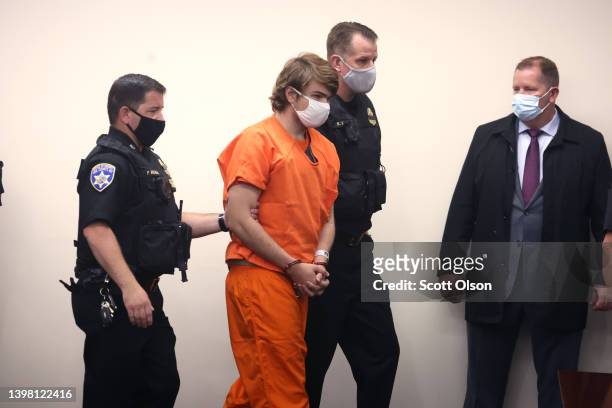
On Feb. 15, 2023, a judge informed Payton Gendron – a White 19-year-old who killed 10 Black people at a Buffalo Tops market in 2022 – that “You will never see the light of day as a free man ever again.”
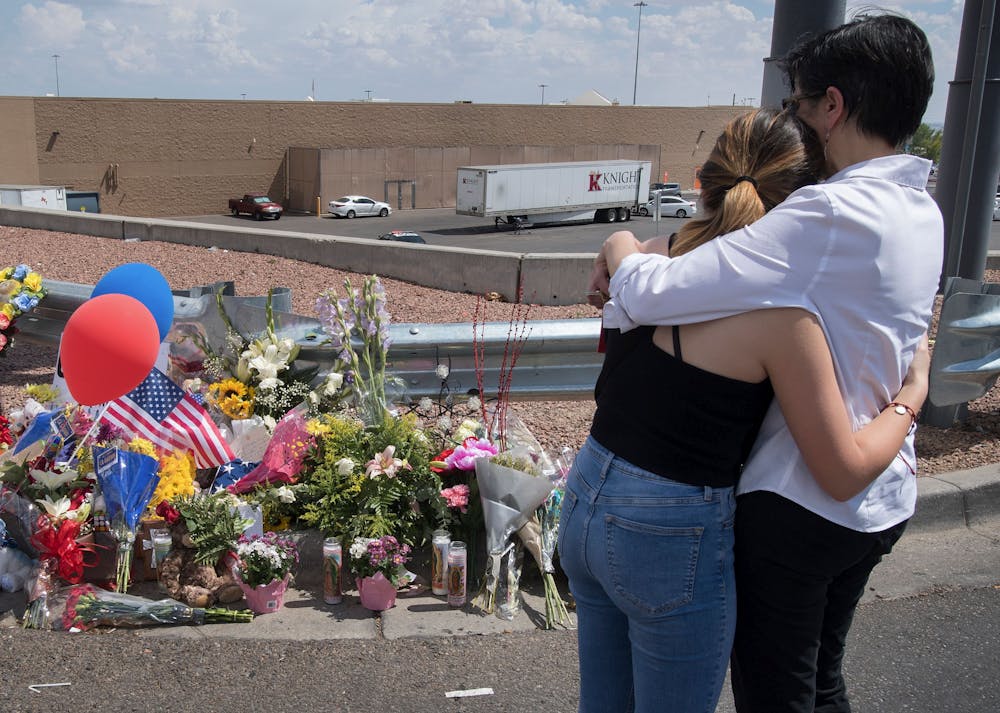
The week before, Patrick Crusius – a White 24-year-old who gunned down 23 people at an El Paso Walmart in 2019 – received 90 consecutive life sentences.
The threat of domestic terrorism remains high in the United States – especially the danger posed by White power extremists, many of whom believe white people are being “replaced” by people of color.
I am a scholar of political violence and extremism and wrote about these beliefs in a 2021 book, “It Can Happen Here: White Power and the Rising Threat of Genocide in the US.” I think it’s important to understand the lessons that can be learned from events like the Buffalo and El Paso mass shootings.
After decades of research on numerous attacks that have left scores dead, we have learned that extremists are almost always part of a pack, not lone wolves. But the myth of the lone wolf shooter remains tenacious, reappearing in media coverage after almost every mass shooting or act of far-right extremist violence. Because this myth misdirects people from the actual causes of extremist violence, it impedes society’s ability to prevent attacks.
The lone wolf extremist myth is dangerous
FBI Director Christopher Wray said in August 2022 that the nation’s top threat comes from far-right extremist “lone actors” – who, he explained, work alone, instead of “as part of a large group.”
Wray is wrong, and the myth of the lone wolf extremist – the mistaken idea that violent extremists largely act alone – continues to directly inform research, law enforcement and the popular imagination.
I think that Wray’s focus on extremism is much needed and long overdue. However, his line of thinking is dangerous and misleading. By focusing on individuals or small groups, it overlooks broader networks and long-term dangers and so can impede efforts to combat far-right extremist violence – which Wray has singled out as the country’s most lethal domestic threat.
Not a new trend
Far-right extremists may physically carry out an attack alone or as part of a small group of people, but they are almost always networked and identify with larger groups and causes.
This was true long before the social media age. Take Timothy McVeigh. He is often depicted as the archetypal lone wolf madman who blew up the Oklahoma City Federal Building in 1995.
In fact, McVeigh was part of a pack. He had accomplices and was connected across the far-right extremist landscape.
The same is true of Gendron and Crusius, who were also characterized in media coverage as lone wolves.
“He talked about how he didn’t like school because he didn’t have friends. He would say he was lonely,” a classmate of Gendron said shortly after Gendron carried out the mass shooting.
Both were active on far-right extremist social media platforms and posted manifestos before their attacks. Gendron’s manifesto discusses how he was radicalized on the dark web and inspired to attack after watching videos of Brenton Tarrant’s 2019 massacre of 51 people at two mosques in Christchurch, New Zealand.
Almost a quarter of Gendron’s manifesto is directly taken from Tarrant’s, which was titled “The Great Replacement.” This fear of white replacement, centered around perceived white demographic decline, was also a motive for Crusius. His manifesto pays homage to Tarrant, before explaining his attack was “a response to the Hispanic invasion of Texas.”
The lone wolf myth also suggests that extremists are abnormal deviants with anti-social personalities.
After Gendron’s rampage, for example, New York Attorney General Letitia James called him a “sick, demented individual.” Crusius, in turn, was described by the White House and news articles as “evil,” “psychotic” and an “anti-social loner.”
The vast majority of far-right extremists are, in fact, otherwise ordinary men and women. They live in rural areas, suburbs and cities. They are students and working professionals. And they believe their extremist cause is justified. This point was illustrated by the spectrum of participants in the Jan. 6, 2021, Capitol insurrection.
Tracing the lone wolf mythology
How did the lone-wolf metaphor come to misinform the public’s view of extremists, and why is it so tenacious?
Part of the answer is linked to White supremacist Louis Beam, who wrote the essay “Leaderless Resistance” in 1983. In it, he called for far-right extremists to act individually or in small groups that couldn’t be traced up a chain of command. According to his lawyer, McVeigh was one of those influenced by Beam’s call.
After Beam formulated this idea, both far-right extremists and law enforcement increasingly used the lone wolf term. In 1998, the FBI even mounted an “Operation Lone Wolf” to investigate a West Coast white supremacist cell.
The 9/11 terrorist attacks further turned U.S. attention to Islamic militant “lone wolves.” A decade later, the term became mainstream.
And so it was not a surprise when, after the Buffalo shooting, New York State Senator James Sanders said, “Although this is probably a lone-wolf incident, this is not the first mass shooting we have seen, and sadly it will not be the last.”
The tenacity of the lone wolf myth has several sources. It’s convenient – evocative and powerful enough to draw and keep people’s attention.
By using this term, which individualizes extremism, law enforcement officials may also depoliticize their work. Instead of focusing on movements like white nationalism that have sympathizers in the various levels of government, from sheriffs to senators, they focus on individuals.
The lone wolf extremist myth diverts from what should be the focus of deterrence efforts: understanding how far-right extremists network, organize and, as the Jan. 6 insurrection showed, build coalitions across diverse groups, especially through the use of social media.
Such understanding provides a basis for developing long-term strategies to prevent extremists like Gendron and Crusius from carrying out more violent attacks.
Alexander Hinton, Distinguished Professor of Anthropology; Director, Center for the Study of Genocide and Human Rights, Rutgers University – Newark
This article is republished from The Conversation under a Creative Commons license. Read the original article.
About Post Author