




By Alison Green
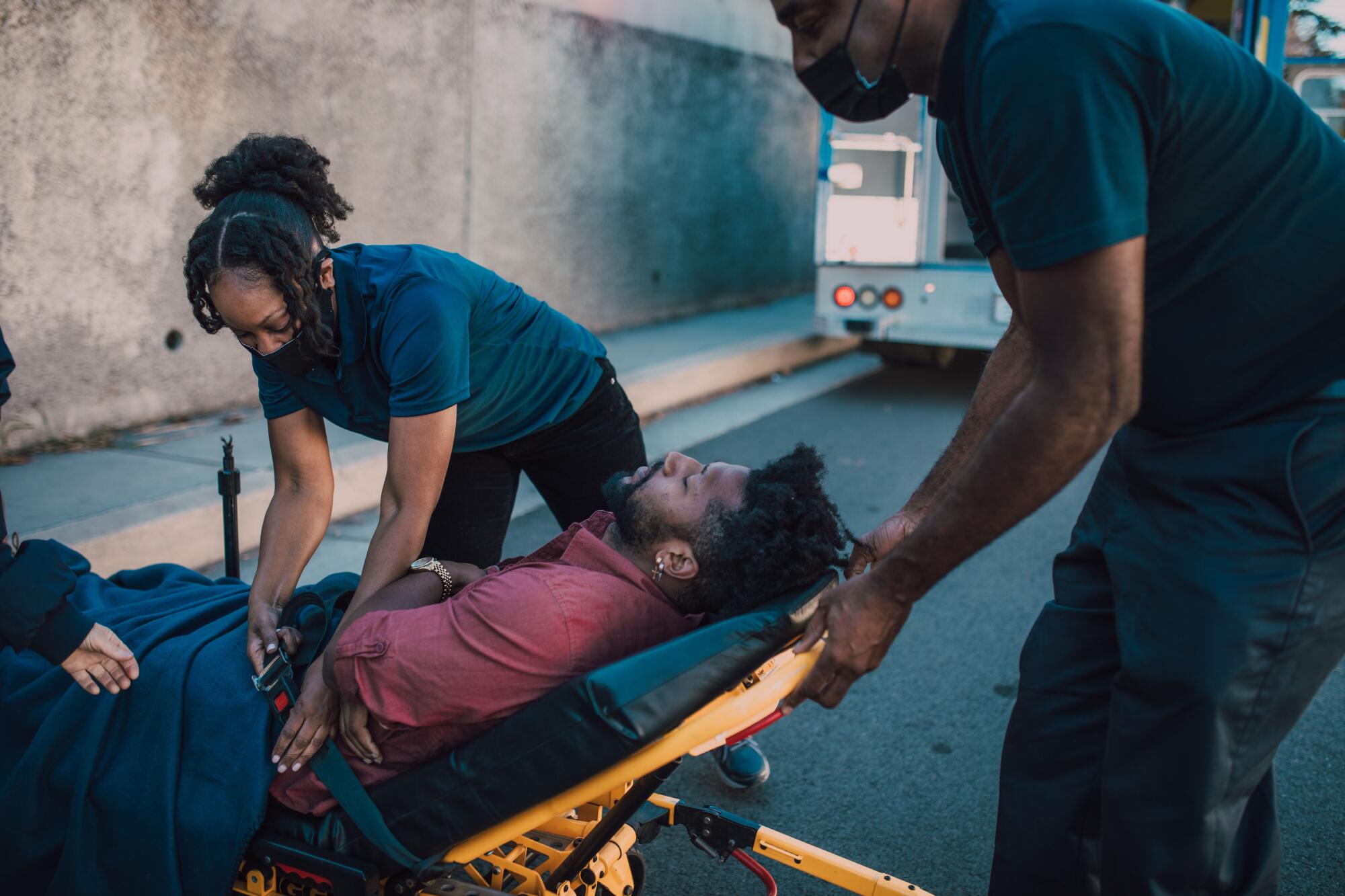
Delaying medical treatment, failing to document evidence, discussing the accident carelessly, accepting settlements too quickly, and missing important legal deadlines are among the common mistakes that can affect an injury compensation claim.
Could a simple mistake after an accident reduce the compensation you receive or even prevent a claim from moving forward?
According to the National Safety Council, 54.5 million Americans sought medical attention for an injury in 2024. With so many injuries occurring each year, claims involving insurance companies, medical records, and compensation are far from uncommon.
After an injury, your attention is usually focused on recovery. Medical appointments, insurance compensation paperwork, and time away from work can quickly become priorities. However, a delayed doctor’s visit, missing documentation, or an overlooked deadline may create big challenges later.
Who Is Responsible for Injury Compensation?
Responsibility for injury compensation usually falls on the person, business, or party whose actions caused the injury.
In some situations, the answer is fairly straightforward.
A distracted driver who causes a collision may be responsible for the damages that follow. Other cases can be less clear. A property owner, employer, manufacturer, or another party may share responsibility depending on the circumstances.
Liability is not always determined immediately after an accident. Evidence, witness statements, medical records, and other details often help establish who may be responsible for medical expenses, lost income, and other losses.
Can Delaying Injury Treatment Hurt Your Compensation Claim?
Some injuries take time to make themselves known.
You may leave the scene of an accident feeling shaken but otherwise unharmed. A day later, your neck feels stiff. A few days after that, you’re dealing with persistent pain that wasn’t obvious at first.
This is one reason medical attention is often recommended after an accident, even when symptoms seem minor. Treatment creates a record of your injuries and helps establish a timeline between the accident and the medical issues that followed.
A long gap between an accident and a doctor’s visit can complicate matters. Insurance companies may question whether the injury resulted from the accident or another event that occurred afterward.
How Poor Documentation Can Weaken an Injury Claim
The details of an accident may seem easy to remember at first. However, a few weeks later, it can become harder to recall exactly what happened, who was present, or what was said at the scene.
Documentation helps fill those gaps. Photos of injuries, damage to property, medical records, receipts, and witness contact information can all help create a clearer picture of what happened.
A lack of documentation does not automatically prevent someone from pursuing personal injury compensation, but it may make it more difficult to support certain claims or demonstrate the full impact of the injury.
Why Talking Too Freely About an Accident Can Create Problems
After an accident, you may discuss what happened with friends, family members, insurance representatives, or even people on social media. Most conversations seem harmless at the time, especially when you’re simply describing your experience.
Problems can arise when statements are taken out of context or interpreted differently later. A social media photo, an offhand remark about feeling better, or an inaccurate description of the accident may create confusion about the severity of an injury or how it occurred.
Being honest is important. Being careful is equally important. Sticking to the facts and avoiding unnecessary speculation can help prevent misunderstandings that may affect an injury claim.
Accepting a Settlement Too Quickly Can Be Costly
After an accident, a quick resolution can sound appealing, but the first insurance settlement offer is not always the best one. Medical bills may be piling up, work may have been disrupted, and moving on from the situation often feels like the easiest option.
The challenge is that some injuries take time to fully understand. Ongoing treatment, rehabilitation, or complications may not become clear immediately. Once a settlement is accepted, there is often little opportunity to seek additional compensation if future expenses arise.
Carefully reviewing an offer and understanding the full extent of your injuries can help you make a more informed decision.
Missing a Statute of Limitations
Legal deadlines have a way of sneaking up on people. After an injury, your focus is usually on recovery, so filing deadlines may feel like something that can be dealt with later. Unfortunately, waiting too long can have serious consequences.
Every state sets time limits for filing personal injury claims, commonly known as statutes of limitations. Once the deadline passes, your ability to pursue compensation may be significantly limited or lost altogether.
Thus, understanding what happens if you miss the statutes of limitations in your state is important because missing a deadline can affect a case, regardless of how strong the underlying claim may be. Acting promptly can help preserve important legal rights while evidence and records remain readily available.
FAQs
Can You Pursue Compensation If You Were Partially at Fault?
Possibly. Many states allow injured parties to recover compensation even when they share some responsibility for an accident. The amount recovered may be reduced based on the percentage of fault assigned to each party.
Should You Keep Records of Expenses After an Injury?
Yes. Medical bills, prescription costs, transportation expenses, and documentation of lost income can help provide a clearer picture of the financial impact of an injury.
Do All Injury Claims End Up in Court?
No. Many injury claims are resolved through negotiations and settlements before reaching a courtroom. The outcome often depends on the facts of the case and whether the parties can reach an agreement.
Can an Injury Claim Include More Than Medical Expenses?
It can. Depending on the circumstances, compensation may include lost wages, rehabilitation costs, property damage, and other losses related to the injury.
Why Is Witness Information Important After an Accident?
Witnesses can sometimes provide details that support or clarify what happened. Collecting contact information early can be helpful if questions arise later during the claims process.
Small Mistakes Can Have Big Consequences
Injury compensation claims are often influenced by decisions made after an accident. Waiting too long to seek medical care, failing to document important details, speaking carelessly about the accident, accepting a settlement too quickly, or missing legal deadlines can all create costly challenges.
Explore our website for more coverage of the issues that affect individuals and families in the Black community.
The post The Injury Compensation Mistakes Most People Don’t Realize They’re Making appeared first on BlackPressUSA.