


Miracle Boyd held onto the bullhorn, twirling the cord as she waited for her fellow protesters to finish their chants for justice.
Then she made sure her voice boomed enough to project across the noisy Loop street.
Advertisement
“Growing up, I lost more than 10 — more than 10 — of my classmates to gun violence. I got an uncle who was killed in 2012 to gun violence. What are we gonna do? What are we gonna do?” Boyd asked the crowd, her ponytail swinging back and forth. “We can’t keep living these tragedies and investing in these punitive systems.”
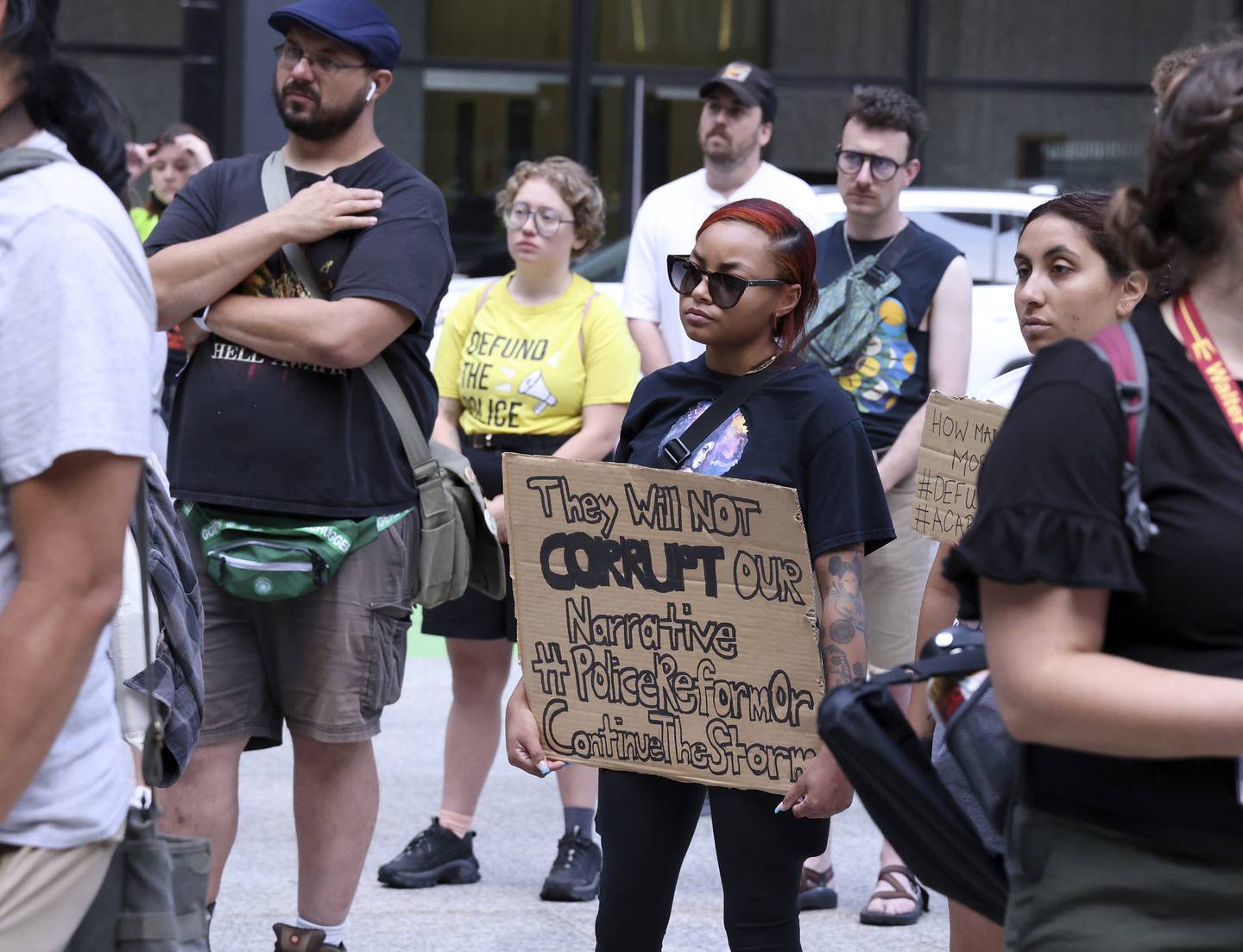
Boyd’s mention of “punitive systems” was one of many digs at law enforcement during a July 6 rally in Chicago to condemn the fatal shooting of an unarmed Black man by Akron, Ohio, police. The protest took place two days after the mass shooting in Highland Park; it was also near the two-year anniversary of the day a Chicago officer punched Boyd during the infamous Columbus statue protest in Grant Park — one of several tense demonstrations during a summer that saw cries for racial justice reach a crescendo. The officer involved recently resigned, it emerged last week.
Advertisement
For Boyd, not much has changed since; she still tries to make it to every protest. Once there, she repeats the same demand she’s had the past couple years: Pass the “Peace Book” ordinance now.
Spearheaded by a South Side-based youth activist group that Boyd belongs to called “Good Kids Mad City,” the Peace Book idea cropped up about four years ago, and its current iteration calls for 2% of the Chicago police budget to be reallocated to peace initiatives that do not involve law enforcement or incarceration.
The proposal was recently introduced in the Chicago City Council by a bloc of progressive aldermen, but supporters are frustrated by what they say is a lack of buy-in after multiple meetings between the organizers and Mayor Lori Lightfoot’s administration.
“We keep talking about youth and youth violence, and … here we have something that the youth have come up with on their own, and we’re just stonewalling them,” South Side Ald. Leslie Hairston, who co-sponsored the legislation, said in a phone interview. “That’s not progress.”
Good Kids Mad City, a riff off rapper Kendrick Lamar’s album “good kid, m.A.A.d city,” was started in 2018 after the mass shooting at Marjory Stoneman Douglas High School in Parkland, Florida, propelled a new generation of students into gun control activism.
The budding activists who hailed from the South and West sides sought to ensure the national conversation on gun violence did not overlook Chicago, where the prevalence of gunfire is entrenched in the city’s narrative yet rarely garners as much sympathy as shootings in whiter, wealthier areas. The student activists from Parkland supported them.
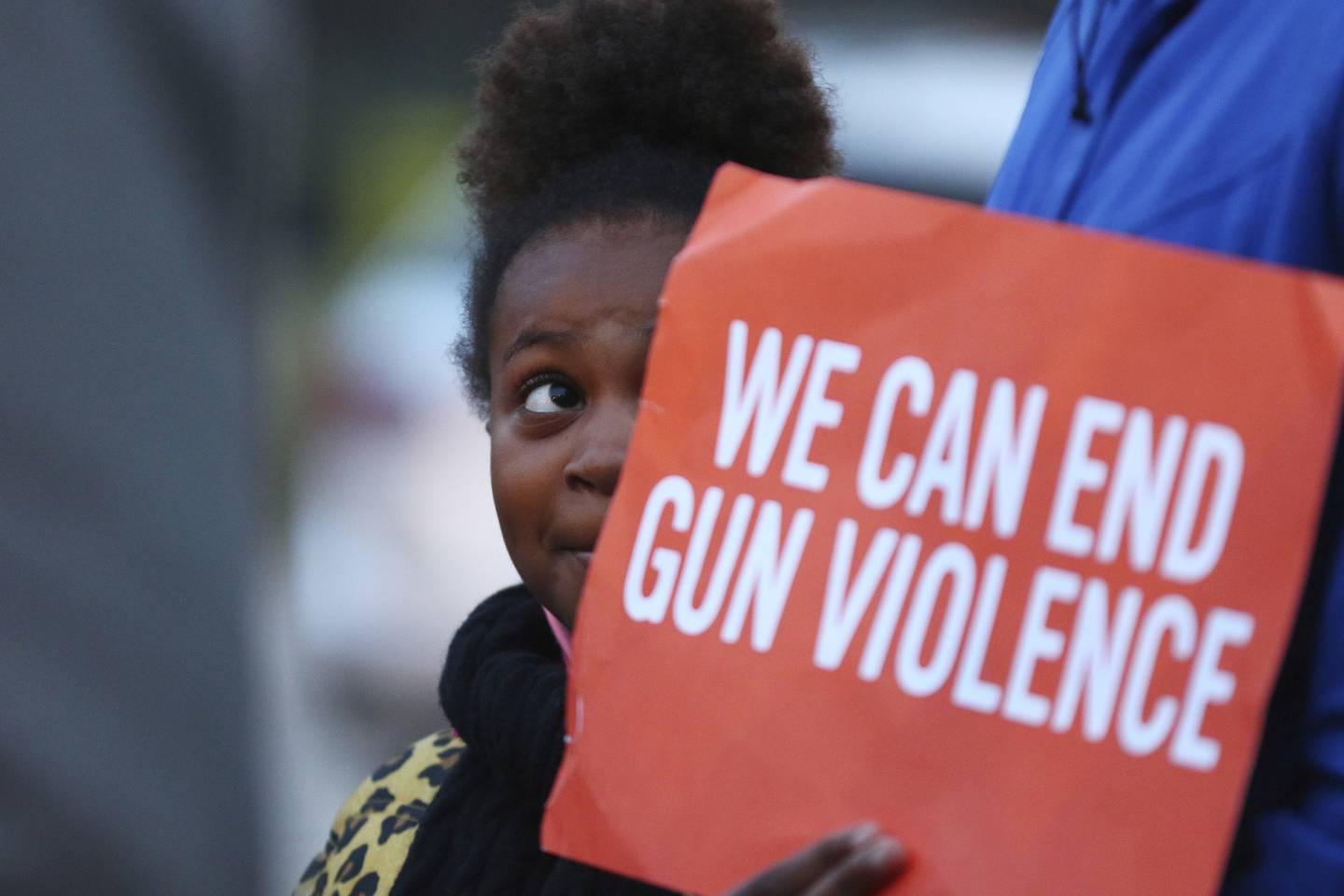
Four years later — and on the heels of the deadly Highland Park mass shooting, Illinois’ worst in recent history — it remains to be seen whether that aspiration can be fulfilled.
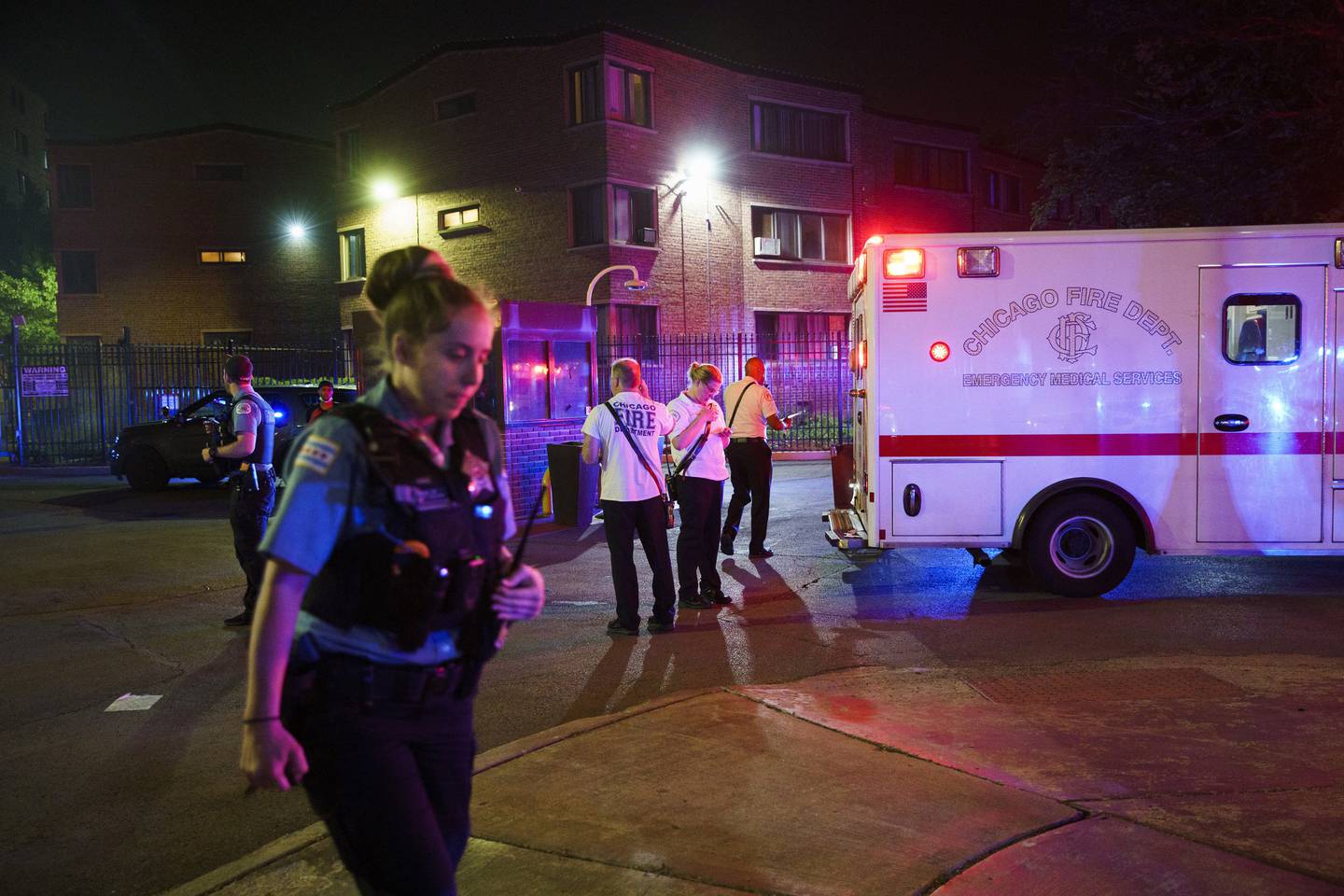
Chicago Ald. Jeanette Taylor, 20th, said she is praying for the families grappling with grief and trauma after the Fourth of July massacre in the northern suburb. But she notes her South Side ward, which includes the troubled Parkway Gardens housing complex, gets little attention for its shootings.
Advertisement
“That’s a wealthy (city),” Taylor said about Highland Park. “Of course it was going to get that attention. It’s going to get all the resources that’s needed. … And then we’re just left to, ‘Oh, that’s the norm in Chicago. It happens, be OK with it.’ It’s problematic for me.”
The so-called Peace Book legislation outlines a structure of “peace commissions” for various neighborhoods where youth-led antiviolence organizations would be tapped to negotiate resolutions to conflict and provide enrichment to the community.
The task forces would be launched in the following areas for a year before expanding: Bronzeville, Washington Park, Woodlawn, Austin, North Lawndale, Humboldt Park, South Lawndale, West Englewood, New City, Englewood, Chicago Lawn, East Garfield Park, West Garfield Park, Gresham, South Shore and Roseland.
The requirements for being a full-time commissioner — who would earn at least the median salary of a Chicago police officer — vary. They include possessing knowledge about the courts, “Chicago street culture, factions and connections to Black and brown communities,” as well as having “lived experiences related to both police violence and intercommunal violence.”
A separate citywide peace commission would be composed of select participants of the neighborhood groups.
Hours after activists and aldermen held a City Hall news conference to roll out their long-awaited Peace Book legislation last month, Lightfoot ally Ald. Derrick Curtis, 18th, blocked it from advancing by sending it to the Rules Committee, where proposals can sometimes stall.
Advertisement
Hairston said she confronted him afterward, telling him: “You’re hurting your own community.” Both of them are Black.
Curtis told the Tribune he made that maneuver by accident and his support for the Peace Book is a “no-brainer.”
“That wasn’t the one I actually tried to call out, but it happened, and it was actually a mistake because I am actually for what they were doing,” Curtis said.
Curtis said Rules Committee chair Ald. Michelle Harris, 8th, signaled to him she’d move the Peace Book ordinance forward, but she did not respond to requests for comment from the Tribune.
Lightfoot did not react to Curtis’ move but deflected further discussion about the ordinance.
Sign up for The Spin to get the top stories in politics delivered to your inbox weekday afternoons.
Advertisement
“I think we have to dig into the details,” Lightfoot said in a news conference that day. “We’ve been in frequent conversation with a number of different supporters of the Peace Book. I think there’s some things within that that we are aligned on, and we’ll continue to work in concert with them to see if we can come to some kind of agreement.”
That didn’t jibe with Peace Book supporters’ understanding of how the mayor’s staff has reacted to their overtures. But Hairston and Taylor simply challenged the mayor to come to the table and work out the differences.
Lightfoot is a firm opponent of the “defund the police” movement that made its way through Chicago protests two years ago, so it’s questionable whether she would support even a slight divestment from the police department.
At least two declared candidates in next year’s mayoral election have also thrown full support behind the Peace Book: state Rep. Kam Buckner and 6th Ward Ald. Roderick Sawyer, another co-sponsor of the City Council legislation.
Despite many activists’ opposition to increasing law enforcement spending, though, both candidates said they don’t think the proposal to spend 2% of the police budget on the peace initiative should stop the city from also boosting the department’s funding.
Buckner told the Tribune that growing up in Morgan Park on the Far South Side, he experienced being racially profiled by police and also losing relatives to gun violence. He knew neighbors who were accused of crimes and those who were victims of crimes.
Advertisement
It’s all part of a cycle of harm, he said, that can’t only be addressed with policing. That’s why he said he believes in the Peace Book.
“For many of these folks, I saw them as young people who were bright and who had great potential and a zest for life, but somewhere along the line, something went wrong,” Buckner said. “We got to give our young people a fighting chance to be productive members of society.”
Nathan Bridges, a 17-year-old member of Good Kids Mad City, agreed. The soft-spoken teen from Bronzeville was at the July 6 protest downtown and said he thinks it’s up to the youth to stem the violence by fighting for more resources, starting with the Peace Book.
“I believe that there’s a lot of people out there that don’t want to necessarily gangbang no more; a lot of people that want peace,” Bridges said before the rally. “And there’s a small few that still want to do the gun violence every day. I feel like we can stop that.”


