
Close Menu
  • Home
  • News
    • Local
  • Opinion
  • Business
  • Health
  • Education
  • Sports
  • Podcast

Subscribe to Updates

Get the latest creative news from FooBar about art, design and business.

What's Hot

The Reverse Great Migration is the Biggest Black Relocation in Decades

Why Product Development Timelines are Shrinking Across Industries

Hidden Car Crash Injuries Can Ruin Accident Insurance Claims Later

Facebook X (Twitter) Instagram
  • Lifestyle
  • Podcast
  • Contact Us
Facebook X (Twitter) Instagram Pinterest Vimeo
The Windy City Word
  • Home
  • News
    1. Local
    2. View All

    Uncle Remus Says Similar Restaurant Name Is Diluting Its Brand and Misleading Customers

    Youth curfew vote stalled in Chicago City Council’s public safety committee

    Organizers, CBA Coalition pushback on proposed luxury hotel near Obama Presidential Center

    New petition calls for state oversight and new leadership at Roseland Community Hospital

    COMMENTARY: Money Matters — Why the Detroit Pistons Are Investing in Detroit Entrepreneurs

    Bill Barring Police from Blocking Emergency Medical Care Stalls in Legislature

    Donavan Mckinney Unseats Shri Thanedar, Putting Detroit Closer to Restoring Black Representation in Congress

    Lupus Did Not Defeat My Cousin (My Truth)

  • Opinion

    Rep Davis, Olive Post CDR., Call on Trump to Restore file of Black Vietnam War Hero to Website

    Capitalize on Slower Car Dealership Sales in 2025

    The High Cost Of Wealth Worship

    What Every Black Child Needs in the World

    Changing the Game: Westside Mom Shares Bally’s Job Experience with Son

  • Business

    Illinois Department of Innovation & Technology supplier diversity office to host procurement webinar for vendors

    Crusader Publisher host Ukrainian Tech Businessmen eyeing Gary investment

    Sims applauds $220,000 in local Back to Business grants

    New Hire360 partnership to support diversity in local trades

    Taking your small business to the next level

  • Health

    Bill Barring Police from Blocking Emergency Medical Care Stalls in Legislature

    Donavan Mckinney Unseats Shri Thanedar, Putting Detroit Closer to Restoring Black Representation in Congress

    Lupus Did Not Defeat My Cousin (My Truth)

    Talarico Pitches ‘a New American Dream’ as Economic Agenda Centers Workers, Affordability

    5 Deaths, 9 Cases: Louisiana Issues Flesh-Eating Bacteria Warning

  • Education

    Alphas Use Mentorship to Prepare Jacksonville Youth for Manhood

    COMMENTARY: You Are Already Paying for the AI Boom

    COMMENTARY: We Lived It: Why a Different World Still Matters Today — an Ode to HBCUs

    A Legacy Written in Faith Now Written on the Streets of San Diego

    Arabia Mountain Alum Selected for USTA Coaching Program

  • Sports

    COMMENTARY: Money Matters — Why the Detroit Pistons Are Investing in Detroit Entrepreneurs

    100 Black Wings’ Team Oakland Youth Athletes Heading to Taiwan for 2026 International Children’s Games

    Nurture, Inc., Negro Southern League Museum Look to Preserve History While Healing the Community

    OP:ED How Black WNBA Players Became Collateral in the Caitlin Clark Culture War

    U.S. Men’s National Team Names its Roster for World Cup 2026

  • Podcast
The Windy City Word
Featured

Scientists Reveal Most of What We Do Each Day Happens Without Thinking

staffBy staffUpdated:No Comments3 Mins Read
Facebook Twitter Pinterest Telegram LinkedIn Tumblr Email Reddit
Share
Facebook Twitter LinkedIn Pinterest WhatsApp Email

By Stacy M. Brown
Black Press USA Senior National Correspondent

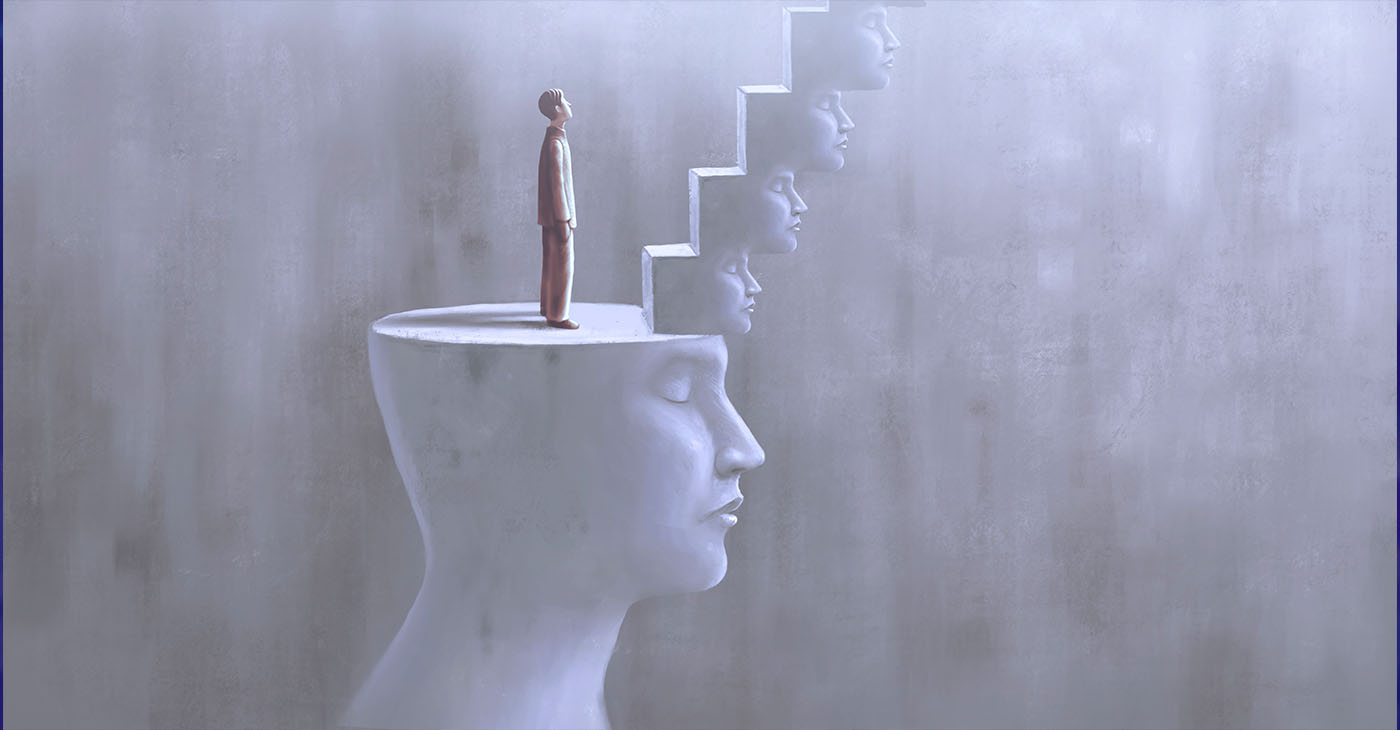
You probably didn’t think much about brushing your teeth this morning. Or making that cup of coffee. Or scrolling through your phone before heading out the door. That’s because, according to new research, nearly nine out of every ten actions people take each day are automatic and performed with little to no conscious thought. A team of behavioral scientists from the University of South Carolina, Central Queensland University in Australia, and the University of Surrey in the United Kingdom tracked 105 people for a week. Using real-time prompts, the researchers discovered that 88 percent of daily behaviors were “habitually executed,” while 65 percent were “habitually instigated”—triggered by environmental cues rather than conscious decisions.

Amanda Rebar, associate professor at the University of South Carolina and lead researcher, explained that most people like to imagine themselves as careful decision makers. “However, much of our repetitive behavior is undertaken with minimal forethought and is instead generated automatically, by habit,” Rebar stated.

The study broke down automatic behavior into two parts. Habitual instigation occurs when a cue—like hearing a notification—automatically sparks an action, such as checking a phone. Habitual execution refers to carrying out an activity without actively thinking, such as brushing teeth or driving a familiar route. Researchers found that demographics, including age, gender, and marital status, made no difference in how automatic people’s lives were. One exception stood out: exercise. People were more likely to be automatically prompted to start working out, but the activity itself required conscious attention once it began. This means cues may successfully get someone to lace up their sneakers, but they still need deliberate focus to complete the workout.

Interestingly, most automatic actions weren’t working against personal goals. Nearly half of all behaviors studied were both habitual and intentional. Only 17 percent of daily activities happened by habit but ran counter to what a person consciously wanted to do. Researchers tracked more than 3,700 behavioral moments across categories, including employment, domestic tasks, eating, screen time, and transportation. Employment and education accounted for 22 percent of daily actions, while domestic tasks and screen time followed closely at 18 percent and 17 percent.

Experts said the takeaway is clear that, while people may consciously intend to live a certain way, their brains are already running much of the show. Habits quietly steer the course of everyday life, and scientists say the best way forward is to design the right cues to make good behaviors automatic. “Our research shows that while people may consciously want to do something, the actual initiation and performance of that behavior is often done without thinking, driven by non-conscious habits,” said Benjamin Gardner, a psychology professor at the University of Surrey and co-author of the study. “This suggests that ‘good’ habits may be a powerful way to make our goals a reality.”


Share. Facebook Twitter Pinterest LinkedIn Reddit WhatsApp Telegram Email
Previous ArticleMinority-Owned Businesses Shut Out as Loan Denials Soar
Next Article ‘Second-Class Citizens’: Union VP Slams Boeing as St. Louis Strike Drags On
staff

Related Posts

The Reverse Great Migration is the Biggest Black Relocation in Decades

Why Product Development Timelines are Shrinking Across Industries

Hidden Car Crash Injuries Can Ruin Accident Insurance Claims Later

Leave A Reply Cancel Reply

Video of the Week
https://www.youtube.com/watch?v=AxFXtgzTu4U
Advertisement
Video of the Week
https://www.youtube.com/watch?v=OjfvYnUXHuI
ABOUT US


The Windy City Word is a weekly newspaper that projects a positive image of the community it serves. It reflects life on the Greater West Side as seen by the people who live and work here.

OUR PICKS

Misty Copeland Shapes Ballet’s Tomorrow

Unveiling the Kia Carnival’s Top Safety Features

The Future of Driving…Solterra

MOST POPULAR

Bill Barring Police from Blocking Emergency Medical Care Stalls in Legislature

Donavan Mckinney Unseats Shri Thanedar, Putting Detroit Closer to Restoring Black Representation in Congress

Lupus Did Not Defeat My Cousin (My Truth)

© 2026 The Windy City Word. Site Designed by No Regret Medai.
  • Home
  • Lifestyle
  • Podcast
  • Contact Us

Type above and press Enter to search. Press Esc to cancel.