

Close Menu
  • Home
  • News
    • Local
  • Opinion
  • Business
  • Health
  • Education
  • Sports
  • Podcast

Subscribe to Updates

Get the latest creative news from FooBar about art, design and business.

What's Hot

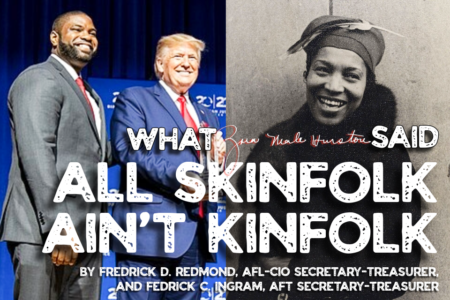
All Skinfolk Ain’t Kinfolk

Latinas Deserve Equal Pay. Unions Help Make It Happen.

Houston’s ‘call Me Mother’ Exhibit Opens Today, Spotlighting Black Maternal Health

Facebook X (Twitter) Instagram
  • Lifestyle
  • Podcast
  • Contact Us
Facebook X (Twitter) Instagram Pinterest Vimeo
The Windy City Word
  • Home
  • News
    1. Local
    2. View All

    Youth curfew vote stalled in Chicago City Council’s public safety committee

    Organizers, CBA Coalition pushback on proposed luxury hotel near Obama Presidential Center

    New petition calls for state oversight and new leadership at Roseland Community Hospital

    UFC Gym to replace shuttered Esporta in Morgan Park

    Houston’s ‘call Me Mother’ Exhibit Opens Today, Spotlighting Black Maternal Health

    Morehouse School of Medicine Fall Convocation Has Strong Ties to Nashville

    OP-ED: Proposition 44 Would Put a Price on Trust

    Jaguars Do Better: Top of Ladder or Resting at the Bottom

  • Opinion

    Rep Davis, Olive Post CDR., Call on Trump to Restore file of Black Vietnam War Hero to Website

    Capitalize on Slower Car Dealership Sales in 2025

    The High Cost Of Wealth Worship

    What Every Black Child Needs in the World

    Changing the Game: Westside Mom Shares Bally’s Job Experience with Son

  • Business

    Illinois Department of Innovation & Technology supplier diversity office to host procurement webinar for vendors

    Crusader Publisher host Ukrainian Tech Businessmen eyeing Gary investment

    Sims applauds $220,000 in local Back to Business grants

    New Hire360 partnership to support diversity in local trades

    Taking your small business to the next level

  • Health

    Houston’s ‘call Me Mother’ Exhibit Opens Today, Spotlighting Black Maternal Health

    Morehouse School of Medicine Fall Convocation Has Strong Ties to Nashville

    OP-ED: Proposition 44 Would Put a Price on Trust

    Cuts and Conversations Turns Barber Chairs into Space for Lifesaving Dialogue

    A $2.1 Trillion Wellness Industry Never Built a Daily Practice for Black Children. So This Atlanta Family Did.

  • Education

    Author Kristen Amundson Explains ‘The Grandparent Effect’ and How It’s Helping Children Thrive Through Love, Support, and Connection

    Responsible AI Development Requires a Seat at the Table for Black America

    COMMENTARY: Being Frank: a Safe Place

    Outnumbered: Elbert Cox’s Equation for Greatness

    Gov. Newsom’s Latest Appointees Include Sacramento Advocate for Formerly Incarcerated Students; State’s New Tech Chief

  • Sports

    Jaguars Do Better: Top of Ladder or Resting at the Bottom

    NFL: Bryce Young is Proving “Patience is a Virtue”

    WNBA Playoffs: DeWanna Bonner and Atlanta Dream dominate on defense, Win Game 1

    Angel Reese Wins 2026 WNBA Defensive Player of the Year

    A Viral Moment with Purpose: Keep Your Head Up Gives Back

  • Podcast
The Windy City Word
Featured

Passing for White, Fighting for Black America: The Courage of Walter White

staffBy staffUpdated:No Comments3 Mins Read
Facebook Twitter Pinterest Telegram LinkedIn Tumblr Email Reddit
Share
Facebook Twitter LinkedIn Pinterest WhatsApp Email

By Tamara Shiloh

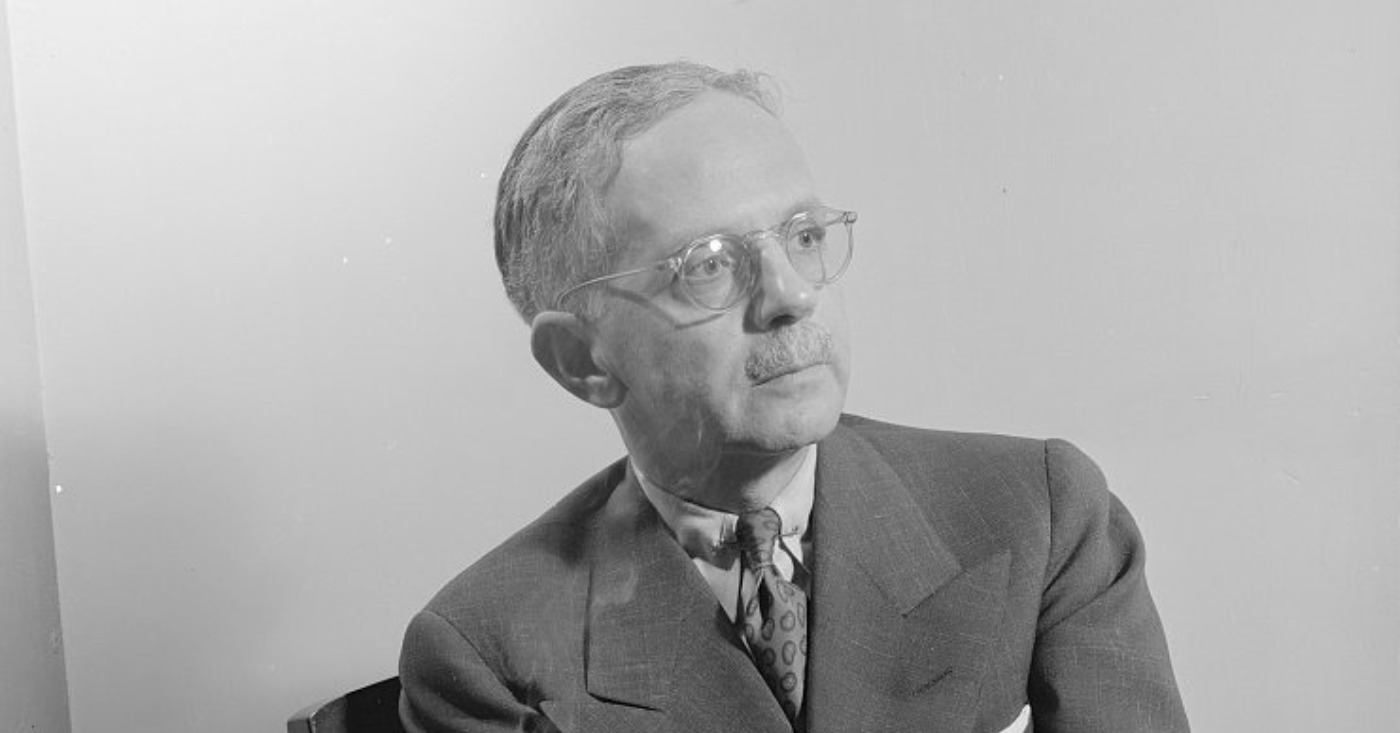
Walter Francis White was one of the most important civil rights leaders of the first half of the 20th century. For more than three decades, he helped transform the National Association for the Advancement of Colored People (NAACP) into one of the nation’s most powerful organizations fighting racial discrimination, segregation, and violence against African Americans.

Walter White was born in Atlanta, Georgia, in 1893 and grew up in a middle-class African American family. His parents, George and Madeline White, had been born into slavery. Although Walter had blond hair, blue eyes, very light skin and could easily have passed as white, he firmly identified as Black. As a teenager, he witnessed the Atlanta Race Massacre of 1906, when white mobs attacked African Americans throughout the city. The experience strengthened his determination to fight racial hatred and injustice.

After graduating from Atlanta University in 1916, White worked in insurance and became active in the Atlanta branch of the NAACP. His abilities caught the attention of NAACP leader James Weldon Johnson, who recruited him to the organization’s national staff in 1918.

He soon became known for his extraordinarily dangerous investigations of lynchings. Because many white Southerners assumed he was white, he was able to enter communities where Black investigators would have faced immediate danger. He spoke with witnesses, law enforcement officials, and even members of lynch mobs, often pretending to share their racial attitudes so they would reveal information.

White personally investigated 41 lynchings and eight race riots. On several occasions, his identity was discovered, forcing him to flee for his life. The evidence he collected helped the NAACP expose the brutality of lynching to Americans and strengthen its campaign for federal anti-lynching legislation. His experiences also influenced his 1929 book, “Rope and Faggot: A Biography of Judge Lynch.”

By the early 1930s, Walter had risen to the NAACP’s top administrative position. As executive secretary, he helped build the organization into a major national political and legal force. Under his leadership, the NAACP challenged discrimination in voting, employment, education, transportation, the military, and other areas of American life.

White also recruited attorney Charles Hamilton Houston to lead the NAACP’s legal strategy. Houston and his protégé, Thurgood Marshall, developed the courtroom campaign that eventually helped produce the Supreme Court’s historic 1954 decision in Brown v. Board of Education, declaring racial segregation in public schools unconstitutional.

White used his relationships with national political leaders as another weapon against discrimination. He worked with First Lady Eleanor Roosevelt, President Franklin D. Roosevelt, and President Harry S. Truman. He supported efforts to end employment discrimination and encouraged Truman to establish the President’s Committee on Civil Rights.

Walter White remained an NAACP leader until his death in 1955. His courage, political skill, investigative work, and relentless commitment to equality helped establish the foundation upon which the modern Civil Rights Movement would build.

The post Passing for White, Fighting for Black America: The Courage of Walter White appeared first on BlackPressUSA.

Share. Facebook Twitter Pinterest LinkedIn Reddit WhatsApp Telegram Email
Previous ArticleOakland People’s Arms Embargo Coalition Demands End to Military Shipments Thru Oakland
Next Article OPINION: The New American Fear – From 9-11 to AI
staff

Related Posts

All Skinfolk Ain’t Kinfolk

Latinas Deserve Equal Pay. Unions Help Make It Happen.

Should You Have to Pay to Hear the Gospel?

Leave A Reply Cancel Reply

Video of the Week
https://www.youtube.com/watch?v=AxFXtgzTu4U
Advertisement
Video of the Week
https://www.youtube.com/watch?v=OjfvYnUXHuI
ABOUT US


The Windy City Word is a weekly newspaper that projects a positive image of the community it serves. It reflects life on the Greater West Side as seen by the people who live and work here.

OUR PICKS

3rd Annual Winterfest Comes to Hollywood Park

Brewing change: Afro Joe’s Coffee & Tea and black maternal health on Chicago’s south side

Do you a Need Service Contract?

MOST POPULAR

Houston’s ‘call Me Mother’ Exhibit Opens Today, Spotlighting Black Maternal Health

Morehouse School of Medicine Fall Convocation Has Strong Ties to Nashville

OP-ED: Proposition 44 Would Put a Price on Trust

© 2026 The Windy City Word. Site Designed by No Regret Medai.
  • Home
  • Lifestyle
  • Podcast
  • Contact Us

Type above and press Enter to search. Press Esc to cancel.