


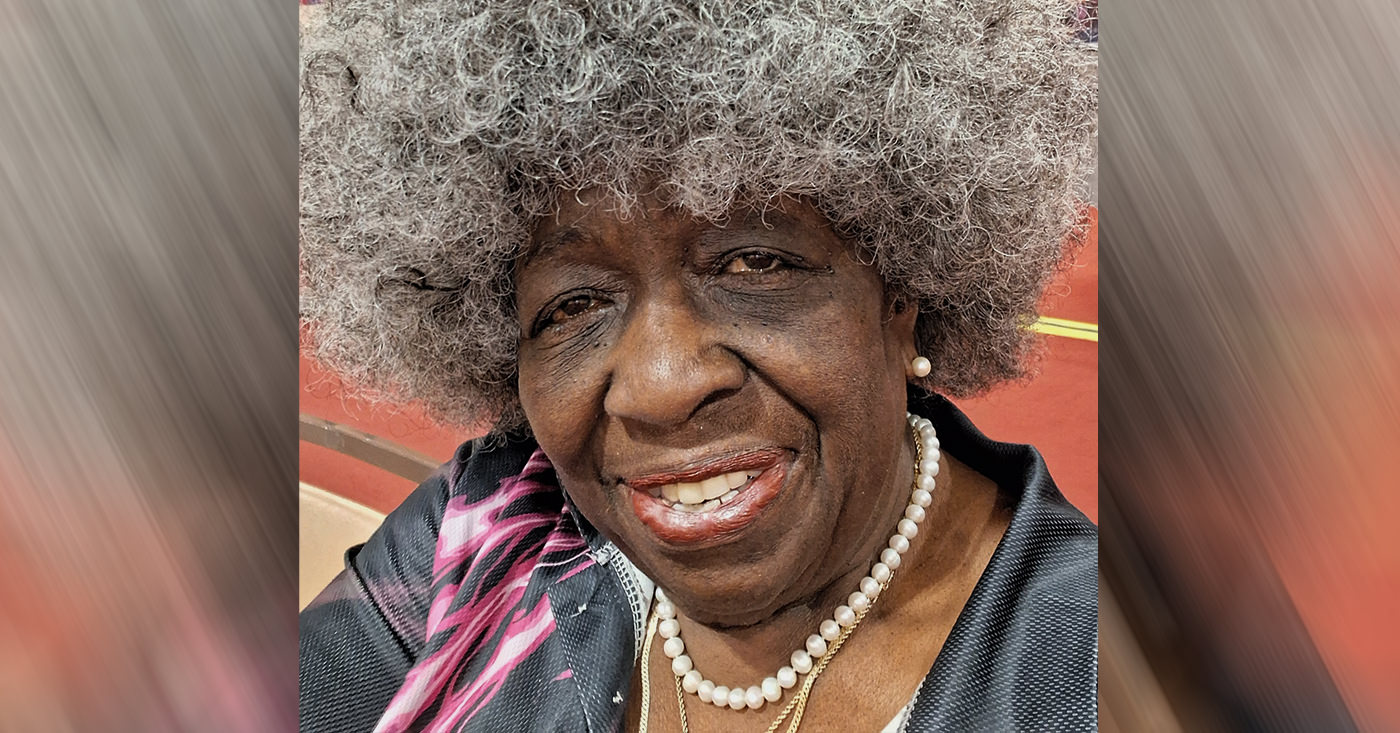
More than 60 years after marching for voting rights, Leatha Davis says the sacrifices of Selma still carry a warning for a generation at risk of disengaging.
By Stephen Oduntan
More than six decades after risking her life in the fight for voting rights, 81-year-old Leatha Davis still remembers the sound of billy clubs striking peaceful demonstrators, the screams of marchers under attack, and the sacrifices that defined the Civil Rights Movement.
Today, as recent Supreme Court decisions have narrowed key protections under the Voting Rights Act and battles over congressional redistricting continue, Davis believes the struggle she joined as a teenager is far from over. But she worries that the greatest threat is not only the legal battles over voting rights, but also the growing number of people who choose not to exercise them.
“It makes me really angry when I think about how we did all of that and people stayed at home and don’t try to vote,” Davis said. “Every vote counts.”
For Davis, those debates are deeply personal.
She joined the movement in the days surrounding Bloody Sunday, when Alabama state troopers brutally attacked peaceful demonstrators attempting to cross the Edmund Pettus Bridge in Selma with billy clubs, tear gas, cattle prods and attack dogs.
“We thought John Lewis was dead,” Davis recalled. “They beat him to the ground. And if you ran to help him, they cracked you upside the head too. It was horrific.”
Days later, Davis marched carrying a sign reading “One Man, One Vote.” She said she was struck with a cattle prod before testifying as Leatha Mae Stover in the landmark federal case Williams v. Wallace, describing under oath before Judge Frank M. Johnson Jr. the violence demonstrators endured. His ruling cleared the way for the historic Selma-to-Montgomery march.
“We were the foot soldiers,” Davis said.
“And we’ve been forgotten.”
Born into a sharecropping family in rural Alabama, Davis said she was picking cotton from sunrise to sunset by the age of five. After months of labor, her father would haul the family’s harvest to the white landowner.
“He’d tell my father he only broke even,” Davis recalled. “For all the work we did, he only gave my father three dollars and a one-gallon bucket of syrup.”
Watching her father remain trapped in poverty convinced Davis there was no future in sharecropping.
Economic exploitation was only part of life under Jim Crow. Black residents were expected to lower their eyes, answer “yes sir” and “no sir,” and accept humiliation as a way of life. Refusing, Davis said, could invite violence—or worse.
Those experiences taught her that the struggle for voting rights was never just about casting a ballot.
It was about dignity.
It was about freedom.
“When I marched,” Davis said, “I wasn’t just marching so I could vote. I was marching because I wanted to be free.”
As the Selma-to-Montgomery march approached, Davis wanted her younger brother to march beside her and asked her father for permission.
“No,” he said. “One is enough.”
Only years later did she understand why.
“That means he didn’t know whether I would come back or not,” she said.
Davis said the lessons that shaped her activism began at home, listening to her grandmother describe life just after slavery.
“My grandmother used to say she was born the third year after slavery ended,” Davis recalled. “That’s how she told her age.”
Today, she worries younger generations have never been taught what happened.
“We have lost a generation of people who don’t care because they were never told,” Davis said. “What they did to us was unspeakable. We lost some lives. It hurt.”
The Rev. Dr. James M. Thomas, president of the NAACP San Fernando Valley Branch, said younger Americans often see the sacrifices of the Civil Rights Movement through a different lens.
“I don’t think they do,” Thomas said when asked whether younger generations understand what civil rights foot soldiers endured. “They’re looking at older generations and asking, ‘What have you done with the vote?’ That’s the question young people ask.”
Still, Thomas urged people not to disengage.
“Vote in the name of your ancestors,” Thomas said. “Even if you feel like you have nobody to vote for, still vote. Someone your ancestors knew died because they wanted to give you the right to vote.”
Professor Marcus Hunter, a sociologist at UCLA, said Davis’ story demonstrates why ordinary people like her remain central to understanding the Civil Rights Movement.
“History often remembers the microphone and forgets the multitude,” Hunter said. “Dr. King and John Lewis were essential leaders, but movements are built by thousands of people whose names never appear in textbooks. Preserving the stories of foot soldiers restores the true architecture of social change and reminds us that democracy is made by participation, not spectatorship.”
The post OP-ED: From Selma to South Los Angeles: An Unsung Voting Rights Foot Soldier Says the Fight Isn’t Over appeared first on BlackPressUSA.