




By Dax Janel Valencia
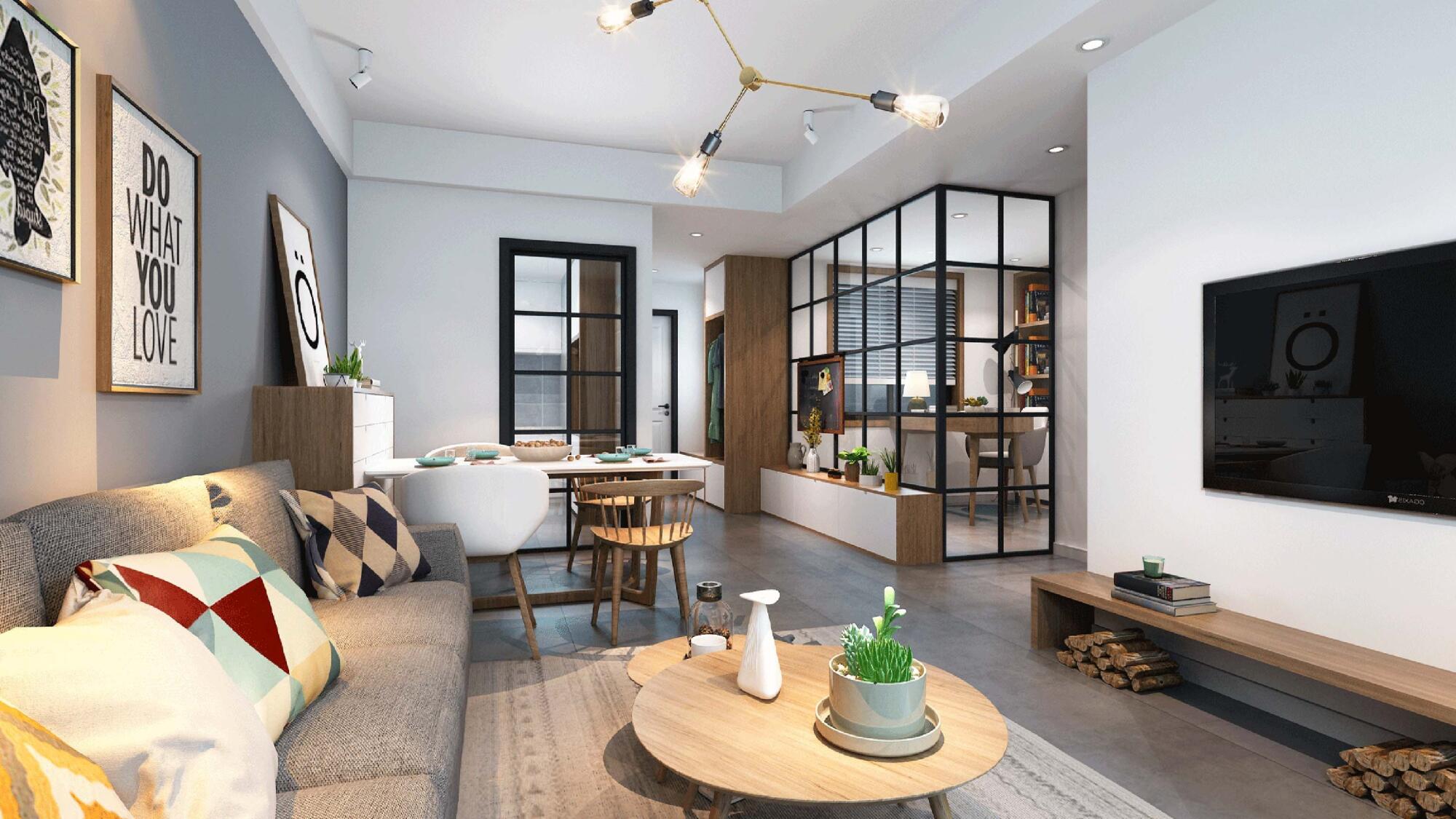
If you’re a Black homeowner thinking of revamping your home’s interior design, some of your primary trend picks include dark, intimate hues and warm-toned woods. Nature-inspired themes, also called “biophilic design,” and sustainable material choices are your other excellent options.
Home improvements through intentional indoor residential design can be particularly crucial for your Black household, as these projects can give you opportunities to preserve generational wealth and resist historical neglect.
Such projects can also combat appraisal bias. Brookings.edu says that, compared to similar homes in areas with fewer Black residents, houses in Black-majority neighborhoods are, on average, undervalued by 23% (<$48,000).
Through strategic home styling, you can boost home equity, build wealth, and transform your abode into a sanctuary of comfort and safety.
What Does “Interior Design” Mean?
The term “interior design” refers to the art, science, and technical planning of transforming an indoor environment into a functional, aesthetically pleasing, and safe space. It combines various components, including:
- Usability, accessibility, and safety of structural components (slip-resistant flooring and well-insulated walls)
- Room layouts, aimed at improving comfort and flow
- Technical knowledge, including strategic selection and placement of sustainable materials, from floors to walls, lighting, acoustics, and furnishings
- Aesthetics, focused on incorporating colors and shapes (ensuring they work well with the room and align with occupant requirements and personal tastes)
- Professional expertise, such as collaborating with an experienced interior decorator, architect, and contractors
Can You Improve Your Home’s Interior Design on a Budget?
Yes. You can achieve your desired results by customizing them to your preferences and budget, as pointed out by this guide discussing indoor design and info about Interiors by Steven G.
Depending on how much your budget is, you can start by prioritizing low-cost but high-impact changes, such as:
- Giving your home’s indoor surfaces a fresh coat of paint
- Swapping out your dated hardware (e.g., scuffed or rusty cabinet or shelf handles, drawer pulls, and doorknobs) with sleek and modern ones (e.g., matte black or brushed brass)
- Modernizing your lights with energy-efficient, money-saving LED lighting products
What Interior Design Trends Should Black Homeowners Consider for 2026?
If you’re thinking of revamping your home’s indoor design, whether you’re planning to sell your home this year or simply want to make your space more functional and aesthetic, a focus area should be your interior color selection (e.g., dark, intimate hues).
You should also consider incorporating warm-toned woods and biophilic design elements. Another top priority is to use sustainable materials.
Opting for Dark, Intimate Hues
As you plan your interior design project, consider using dark, intimate hues, such as:
- Matte black
- Navys and deep inky blues
- Coffee tones and rich, earthy browns
- Olives and moody greens
- Soft black and warm charcoal
- Red-based browns and deep terracotta
The above colors are excellent for creating indoor spaces that feel luxurious, culturally resonant, and grounded. They can even enhance textures, such as wood, leather, and velvet, accentuating furniture made of these materials.
Incorporating Warm-Toned Woods
If you opt for warm-toned woods, you can give your indoor spaces a touch of:
- Comfort
- Sophistication
- Class
- Timeless style
As nature-inspired elements, they can also promote “self-restoration” through a sense of calm and relief.
With these warm-toned woods’ rich tones, they can bring a sense of comfort and visual interest into indoor spaces. Just a few examples include:
- The warm creams and tans of hickory
- The soft and golden amber hues of maple
- The luscious, deep browns of walnut
- The classic, pinkish undertones of red oak
Depending on your goal, warm-toned woods can make an open-floor layout feel cozier and more inviting. If you’re revamping a smaller room, these woods can give it a more welcoming glow.
Investing in Biophilic Design
Biophilic design is the art and science of incorporating architecture, materials, lighting, and greenery into buildings to connect with nature. It’s becoming a prominent feature in Black-owned homes, with a perfect example being supermodel Naomi Campbell’s villa in Kenya.
As reported by TheRoot.com, the home of the British model/actress/singer is full of and surrounded by natural materials like wood and lush greenery. It also maximizes natural light and fresh air with its airy, open floor layouts.
Using More Sustainable Materials
Sustainable materials are now a focal point of Black homeowners’ interior design because they blend cultural heritage with long-term, environmentally conscious decisions that support health and well-being for humans, animals, and the planet. Examples of such green interior solutions and materials are:
- Reclaimed wood
- Bamboo and cork
- Recycled glass, metal, and art
- Natural and organic textiles
- Artisanal ceramics and clay decor (particularly pieces made by or sourced from Black-owned businesses)
You can also make your home’s interior design more sustainable by choosing local or native indoor plants. As a study published in the British Ecological Society’s Journal of Ecology points out, they consistently exhibit drought advantages over introduced species.
Since native plants thrive in their natural, local climate, they require less intensive care and fewer resources (e.g., water and fertilizers).
Frequently Asked Questions
What Interior Design Choices Can Make Your Home Look Outdated?
A heavily themed decor (e.g., overly rustic or excessive use of “shabby-chic” farmhouse pieces and elements) can give your home a dated feel. Bulky matching furniture sets and tiled countertops can do the same.
What Are Common Interior Design Mistakes You Should Avoid?
One of the biggest, most expensive interior design mistakes you should avoid is not having a concrete plan.
Without a plan, you run the risk of encountering problems like financial overruns, construction delays, and poor-quality material selection. You may also overlook necessary building permits, which could lead to even more holdups.
Overcrowding a room, whether with too much furniture or too many oversized pieces, is another mistake to steer clear of. Overpacking your space can make it feel cramped and stuffy. It can also disrupt traffic flow and make people likely to bump into things (that could even injure them).
Consider These Interior Design Techniques for 2026 (And Beyond)
If you’re thinking of improving or revamping your home’s interior design this year, go for dark, intimate hues, warm-toned woods, biophilic elements, and sustainable materials. With these choices, you can celebrate your Black heritage and culture while also being eco-friendly and financially savvy.
Stay and explore the rest of our news platform for more informative lifestyle and home guides curated for the Black community.
The post Interior Design Trends for 2026 That Black Homeowners Should Consider appeared first on BlackPressUSA.