




By Dax Janel Valencia
If you or someone you know has been in a recent auto accident, be aware that hidden car crash injuries can ruin accident insurance claims by invalidating initial statements and breaking direct causal links. Delays in injury discovery can also cause claimants to exceed stringent reporting time limits.
Understanding post-crash injuries, particularly the effects of “invisible” ones, is crucial for all road users, given the frequency of motor vehicle collisions. As the National Highway Traffic Safety Administration (NHTSA) notes, around six to seven million police-reported crashes occur each year.
What Are the Most Common Injuries From a Car Crash?
Most motor vehicle crash injuries are physical (visible or internal), but many others can be mental or psychological. Not all crashes result in injuries, but many do.
In 2024 alone, motor vehicle incidents led to 4.9 million medically consulted injuries, per the National Safety Council. They resulted in costs estimated at $559.3 billion. The term “medically consulted injuries” refers to injuries severe enough to warrant medical professional help.
Some specific examples of injuries resulting from MVCs include the following, as noted by this page exploring NYC auto accident attorneys:
- Abrasions
- Bruises
- Burns
- Bone or joint breakage or dislocation
- Internal bleeding
- Traumatic brain injury (TBI)
- Spinal cord injury
- Emotional distress
How Can Hidden Car Crash Injuries Ruin Accident Insurance Claims Later?
Hidden car crash injuries, which usually refer to internal physical injuries and psychological trauma, can ruin accident insurance claims later if not immediately:
- Discovered
- Documented
- Reported
The possibility of having these injuries with delayed signs and symptoms is a critical reason car crash victims should always get a medical checkup as soon as possible.
Invalidating Initial Statements
Since hidden car crash injuries may have delayed signs and symptoms, accident victims may release statements to the police or insurance companies shortly after the incident, saying they “feel fine” or are “unhurt.”
Insurers may use such statements against victims once they try to file a claim after their injuries finally show symptoms. They may argue that the injuries didn’t result from the crash, as the claimants said they felt fine or were unhurt.
Another way hidden car crash injuries can ruin claims is when a claimant fails to document exacerbating symptoms. Insurers may blame old injuries and say the auto accident isn’t behind their worsening pain.
Breaking the Direct Causal Link Between the Injury and the Crash
In accident-related insurance claims and personal injury cases, the term “causal link” refers to the direct connection between someone’s careless actions and the injury or harm suffered by another party. It proves that the injury resulted from another person’s carelessness or negligence.
Since hidden car crash injuries don’t always show up right away, victims may not go for a medical checkup soon after the incident. It may take days, even weeks, for them to see a doctor. In this case, insurers may argue that the victim’s complaints (e.g., pain) are a result of another event, not the crash.
Failing to go for a medical evaluation immediately after a motor vehicle crash can also lead to victims not having official proof of the connection between the accident and the hidden injury.
Exceeding Legal or Reporting Time Limits
Insurance companies often require claimants (both policyholders and third parties) to report accidents immediately. Some use vague terms like “as soon as reasonably practical,” while others may say “promptly.”
The exact timeframe varies across insurers, ranging from a few days to weeks (e.g., 24 to 72 hours or up to 30 days). Missing this “deadline,” which can happen due to delayed injury symptoms, may give insurers the leverage they need to deny a claim.
How To Minimize the Risk of Accident Insurance Claims Getting Denied
Gathering proof as soon as possible after a car accident can help victims minimize the risk of their claims getting denied.
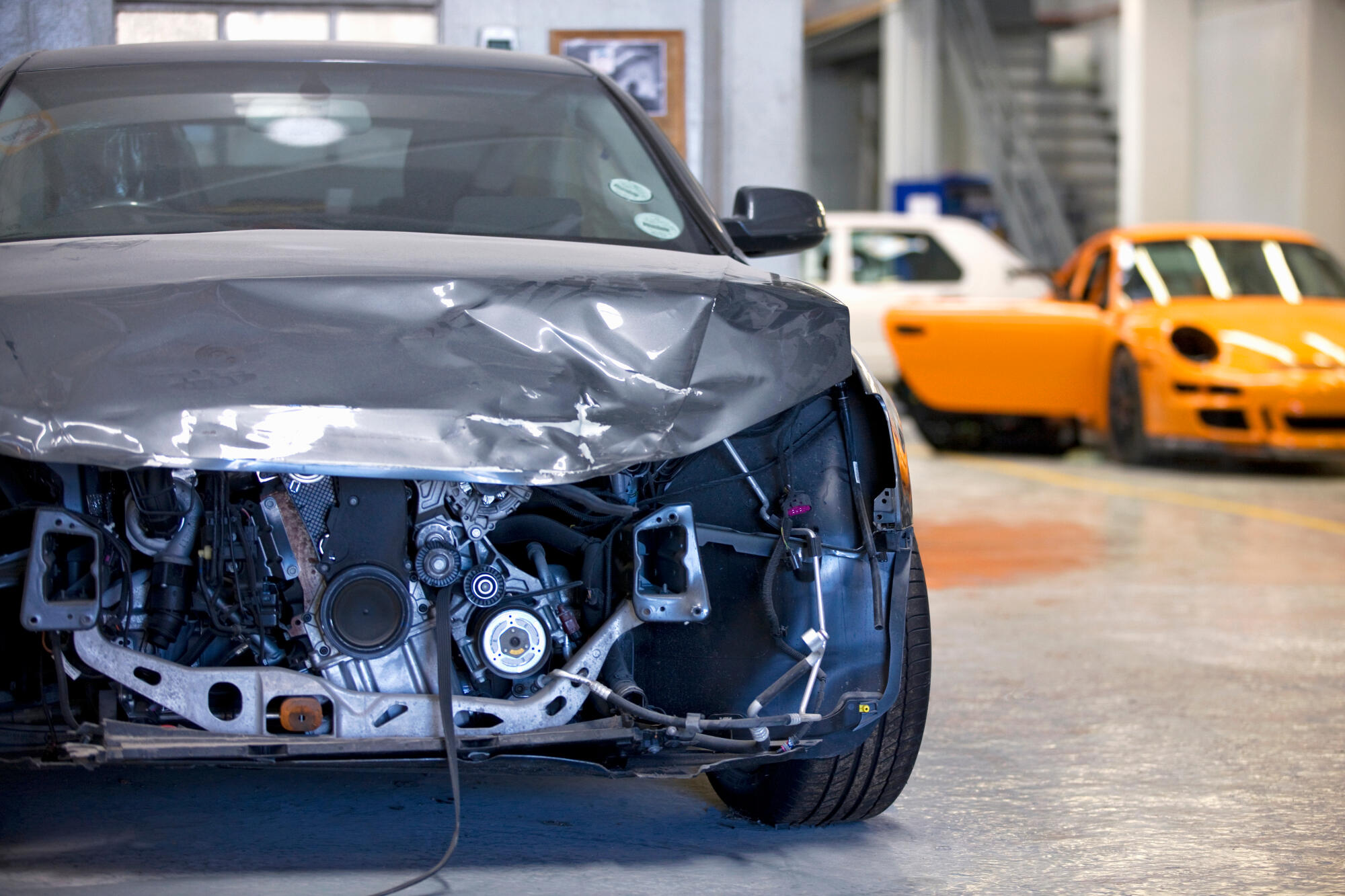
One of the primary ways claimants can secure evidence is to call the police and have them file an official car accident report. Another is to take as many clear photos and videos of the incident, including:
- Vehicle damage
- Visible injuries
- Road signs
- The entire scene
Claimants should also collect the names, phone numbers, and insurance details of other involved drivers and witnesses. They should also consider getting a comprehensive health and medical checkup right away, within the same day, if possible.
Next is to notify insurance providers immediately, as specified in the policy. Just as crucial is to collect and secure all vital documents (e.g., hospital bills, repair estimates).
Consulting with an auto accident attorney can also help, as they can advocate for your rights and gather evidence on your behalf. They can help prove who was at fault and communicate with insurers to minimize the risk of claim denials or low-ball settlement offers.
Frequently Asked Questions
Do You Feel Pain in a Car Crash?
People may not always experience pain during and immediately after a car crash, often due to:
- Shock
- Adrenaline
- The type of injury
Shock and adrenaline may delay or temporarily block pain signals during a traumatic incident, dampening a person’s pain perception. Some types of injuries, particularly the “hidden,” internal kind like concussion, internal bleeding, or whiplash after a car crash, may not manifest immediately, either.
Once the effects of adrenaline and shock wear away, however, the pain will likely start and become more pronounced every passing hour.
Do Car Crash Injuries Only Result From Major Collisions?
No. People can sustain car crash injuries in minor collisions, such as low-speed crashes and fender-benders. Such incidents can cause painful soft-tissue damage, concussions, and whiplash.
It’s also crucial to note that failure to get prompt, adequate treatment for minor whiplash injuries can lead to long-term (chronic) effects. According to a study published in BMC Public Health in April 2026, a significant proportion of whiplash-associated disorders (WAD) lead to permanent medical impairment.
Seeking Professional Medical Help Immediately After a Crash
Hidden car crash injuries can ruin more than just accident insurance claims; they can also leave long-term physical and mental health concerns. Anyone involved in a road incident should, therefore, seek professional medical help immediately after the collision.
Get more related reads like this or stay up to date on the latest Black community events by exploring the rest of our platform.
The post Hidden Car Crash Injuries Can Ruin Accident Insurance Claims Later appeared first on BlackPressUSA.