



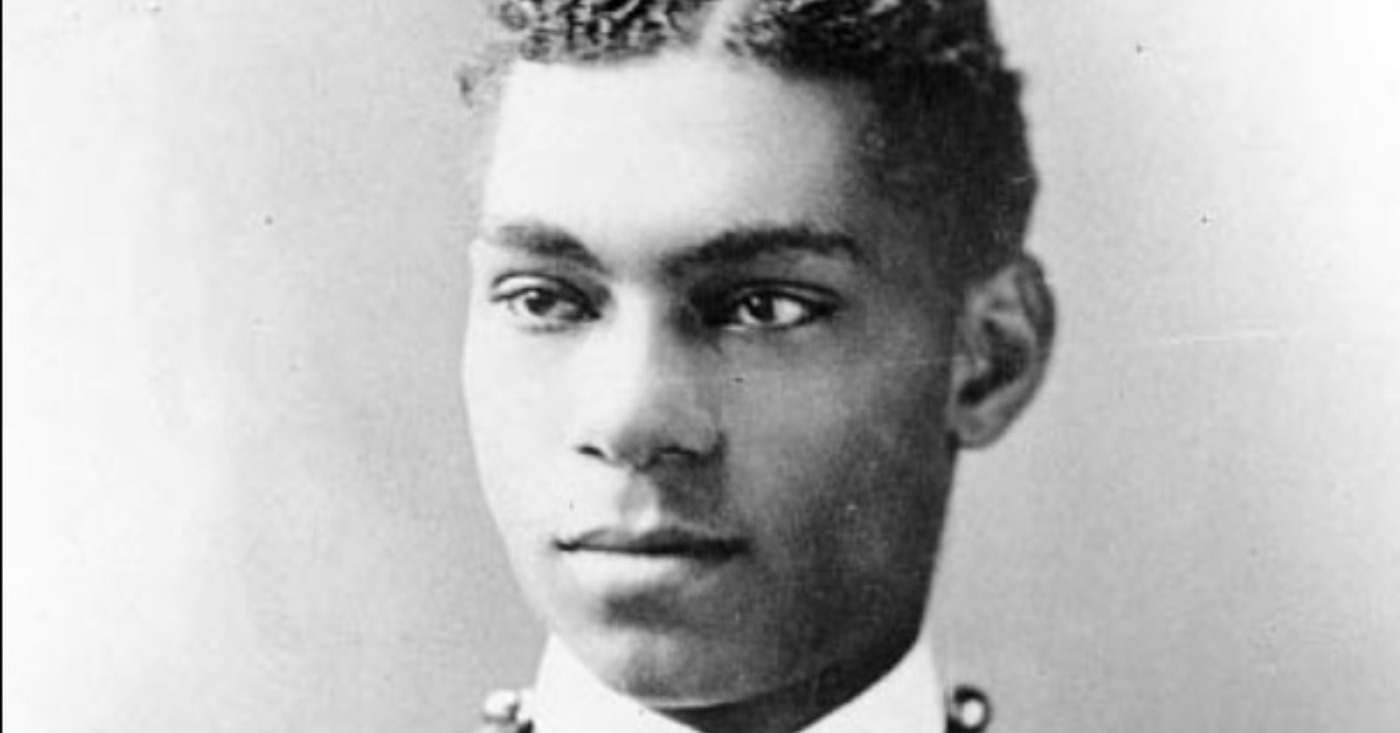
Henry Ossian Flipper’s life is a remarkable story of insistence, achievement, injustice, and ultimately vindication. Born enslaved on March 21, 1856, in Thomasville, Georgia, Flipper rose from the restrictions of slavery to become the first African American to graduate from the United States Military Academy at West Point. His accomplishments extended far beyond military service; he later became a respected engineer, surveyor, author, translator, and government official.
After the Civil War, Flipper’s family settled in Atlanta, where education became central to his future. He attended schools established for African American children by the American Missionary Association and later studied at Atlanta University. In 1873, Congressman James C. Freeman of Georgia nominated Flipper for admission to West Point. He entered the academy that July.
Flipper’s four years at West Point were extremely difficult. Because of racism, he experienced harassment and almost complete social isolation from many of his fellow cadets. Nevertheless, he succeeded academically and graduated on June 14, 1877, ranking 50th in a class of 76. His graduation represented a historic breakthrough for African Americans in the United States military.
Commissioned as a second lieutenant, Flipper was assigned to the 10th U.S. Cavalry, one of the famed African American regiments known as the Buffalo Soldiers. At Fort Sill in Indian Territory, now Oklahoma, Flipper served as an engineer, surveyor, construction supervisor, quartermaster, and commissary officer. One of his most lasting engineering accomplishments was a drainage system that eliminated pools of stagnant water around the fort and helped reduce mosquito-breeding areas. The system became known as “Flipper’s Ditch,” and portions of it remain associated with Fort Sill today.
Flipper’s promising military career ended abruptly in 1881 when he was accused of embezzling commissary funds. A court-martial acquitted him of embezzlement, but convicted him of conduct unbecoming of an officer. The Army dismissed him in 1882. The circumstances surrounding his punishment would later be widely regarded as unjust and influenced by the racial discrimination of the period.
Rather than allowing his dismissal to define his life, Flipper built an extraordinary civilian career. He became a civil and mining engineer and surveyor, working extensively throughout the American Southwest and Mexico. He established an engineering office in Nogales, Arizona, became knowledgeable about Spanish and Mexican land law, and later worked for the federal government, including service connected with the Department of Justice and the Department of the Interior.
Flipper died in Atlanta in 1940, but efforts to restore his reputation continued for decades. In 1976, the Army changed his dismissal to an honorable discharge. Then, on February 19, 1999, President Bill Clinton granted Flipper a posthumous presidential pardon.
Today, Henry Ossian Flipper is remembered because his life helped open doors for generations of African American military officers, engineers, and public servants who followed him.
The post Henry O. Flipper: A Trailblazer at West Point and Beyond appeared first on BlackPressUSA.