


Close Menu
  • Home
  • News
    • Local
  • Opinion
  • Business
  • Health
  • Education
  • Sports
  • Podcast

Subscribe to Updates

Get the latest creative news from FooBar about art, design and business.

What's Hot

Chicago ‘Fibroid Slayer’ Makes History with Biggest Case of His Career

Charles Barkley Dares ESPN to Fire Him After Cardi B

Donalds Inching Closer to Becoming First-Ever Black Florida Governor

Facebook X (Twitter) Instagram
  • Lifestyle
  • Podcast
  • Contact Us
Facebook X (Twitter) Instagram Pinterest Vimeo
The Windy City Word
  • Home
  • News
    1. Local
    2. View All

    Uncle Remus Says Similar Restaurant Name Is Diluting Its Brand and Misleading Customers

    Youth curfew vote stalled in Chicago City Council’s public safety committee

    Organizers, CBA Coalition pushback on proposed luxury hotel near Obama Presidential Center

    New petition calls for state oversight and new leadership at Roseland Community Hospital

    Chicago ‘Fibroid Slayer’ Makes History with Biggest Case of His Career

    Venus Williams Calls a Sabalenka Exit a Tragedy

    COMMENTARY: Using Art, Healing, And Community to Transform Mental Health Dialogue

    OP-ED: Measure ER Offers an Opportunity to Vote Our Values

  • Opinion

    Rep Davis, Olive Post CDR., Call on Trump to Restore file of Black Vietnam War Hero to Website

    Capitalize on Slower Car Dealership Sales in 2025

    The High Cost Of Wealth Worship

    What Every Black Child Needs in the World

    Changing the Game: Westside Mom Shares Bally’s Job Experience with Son

  • Business

    Illinois Department of Innovation & Technology supplier diversity office to host procurement webinar for vendors

    Crusader Publisher host Ukrainian Tech Businessmen eyeing Gary investment

    Sims applauds $220,000 in local Back to Business grants

    New Hire360 partnership to support diversity in local trades

    Taking your small business to the next level

  • Health

    Chicago ‘Fibroid Slayer’ Makes History with Biggest Case of His Career

    COMMENTARY: Using Art, Healing, And Community to Transform Mental Health Dialogue

    OP-ED: Measure ER Offers an Opportunity to Vote Our Values

    Task Force Aims to Turn Birmingham Bystanders into Lifesavers Ahead of CPR & AED Awareness Week

    Atlanta’s Culinary Community Gathers to Fight Senior Hunger at TASTE 2026

  • Education

    COMMENTARY: Joy of Educating Black Boys

    ‘Find a Way or Make a Way’: Congresswoman Nikema Williams Announces $250,000 in Campus Security Funding for CAU

    How UNCF is Cultivating the Next Generation of Legacy Leaders

    Black Student Loan Default Rate Five Times Higher than Whites

    10 Assets of Black People

  • Sports

    Venus Williams Calls a Sabalenka Exit a Tragedy

    NBA: Adam Silver speaks on expansion, scandal, and more

    NBA Playoffs: ATL, Raptors and T-Wolves win Game 3s

    Dads, Kids & Community Clean with a Purpose

    WNBA Draft 2026 Explained

  • Podcast
The Windy City Word
Local

Forever chemicals: They’re in your drinking water and likely your food. Read the Tribune investigation

staffBy staffUpdated:No Comments5 Mins Read
Facebook Twitter Pinterest Telegram LinkedIn Tumblr Email Reddit
Share
Facebook Twitter LinkedIn Pinterest WhatsApp Email

Something as simple as drinking tap water is exposing millions of Illinoisans to toxic chemicals that build up in human blood, cause cancer and other diseases and take years to leave the body.

Scientists call the chemicals per- and polyfluoroalkyl substances or PFAS. They are commonly known as forever chemicals because they don’t break down in the environment.

Despite plenty of warning signs, the Illinois Environmental Protection Agency didn’t begin testing the state’s water utilities for PFAS until August 2020. Then state and local officials downplayed the results, burying notices filled with technical jargon on government websites.

Until now the scope of PFAS problems in Illinois remained unknown. More than 8 million people in the state — 6 out of every 10 Illinoisans — get their drinking water from a utility where at least one forever chemical has been detected, according to a Chicago Tribune investigation that included a computerized analysis of test results and a review of court documents, government records and scientific studies.

Tracy Lehr, who has lived at the Criswell Court mobile home park in Joliet for 21 years, said she drinks and cooks with bottled water because the park’s well is unreliable. Lehr said she wasn’t informed that 2021 testing of the well water found toxic PFAS chemicals at levels up to 1,800 times higher than the U.S. Environmental Protection Agency’s latest health advisory. (Erin Hooley / Chicago Tribune)

“It’s disgusting and overwhelming at the same time,” said Ellen Meeks Rendulich, co-director of a grassroots environmental group in Will County, where the state found PFAS in a dozen communities, including the Criswell Court mobile home park in Joliet.

Tracy Lehr remembered that state officials came twice last year to test a well on the property. Lehr, who has lived in Criswell Court for 21 years, said she and her neighbors were never warned their water is contaminated with PFAS at levels up to 1,800 times higher than the latest federal health advisory.

“I’ve never trusted the water here,” Lehr said as she pointed to shrink-wrapped packs of bottled water stacked throughout her trailer.

>>> Read the full story here

Advertisement

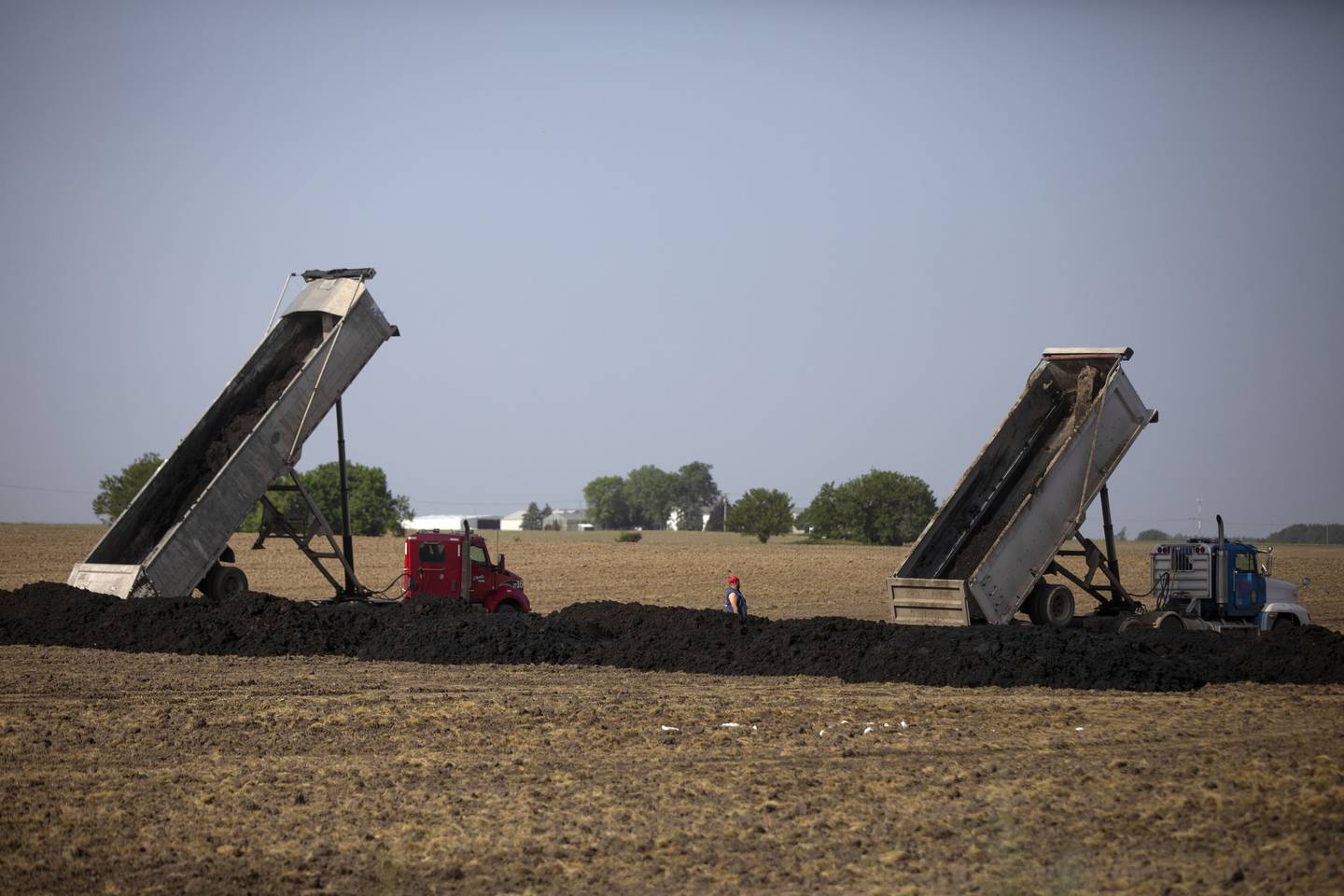
Sludge from the Metropolitan Water Reclamation District is dumped and spread on farms field in Will County on June 15, 2022. (Erin Hooley / Chicago Tribune)

Farmers on the edges of suburbia are encouraged to spread sludge on their fields by local officials, farm bureaus, university extension agents — even the U.S. Environmental Protection Agency.

But despite assurances the practice is safe and legal, sewage sludge is contaminating thousands of acres of northeast Illinois farmland with toxic forever chemicals, a Chicago Tribune investigation has found.

During the past six years alone, federal records show, more than 615,000 tons of sludge from the Metropolitan Water Reclamation District of Greater Chicago has been plowed into 29,000 acres near the nation’s third largest city.

Only the Greater Los Angeles area distributed more sludge to farmers during the period.

Meanwhile, researchers have concluded there is ample evidence that PFAS end up in crops and livestock.

>>> Read the full story here

Advertisement

Farmer Ray Dettmering checks on a sprayer outside his home in Peotone on July 22, 2022. Dettmering said he didn’t know about toxic forever chemicals prior to a conversation with the Tribune. (Antonio Perez / Chicago Tribune)

During the past six years, federal records show, more than 615,000 tons of sludge from the Metropolitan Water Reclamation District of Greater Chicago has been plowed into 29,000 acres near the nation’s third largest city. (All of that land combined is roughly the size of west suburban Aurora.)

Researchers and public health advocates are increasingly concerned because some PFAS build up in human blood, take years to leave the body and don’t break down in the environment. Others transform over time into more hazardous compounds, increasing the risk that grains, beans, hay and produce grown in sludge-amended soil could be tainted for years to come.

>>> Read the full story here

Advertisement

Water is pumped from the Harrison-Dever water intake crib in Lake Michigan through a tunnel that runs underneath the lake to the James W. Jardine Water Purification Plant. Worrisome concentrations of PFAS have been found in Chicago, which provides treated Lake Michigan water to more than 5 million people in the city and suburbs. (Erin Hooley / Chicago Tribune)

The Tribune identified 1,654 potential sources of PFAS statewide through a national analysis of industry codes that designate the type of products manufactured or used at a particular factory. Only California, Virginia, Pennsylvania and Florida have more facilities on the list of suspected polluters.

>>> Read the full story here

Advertisement

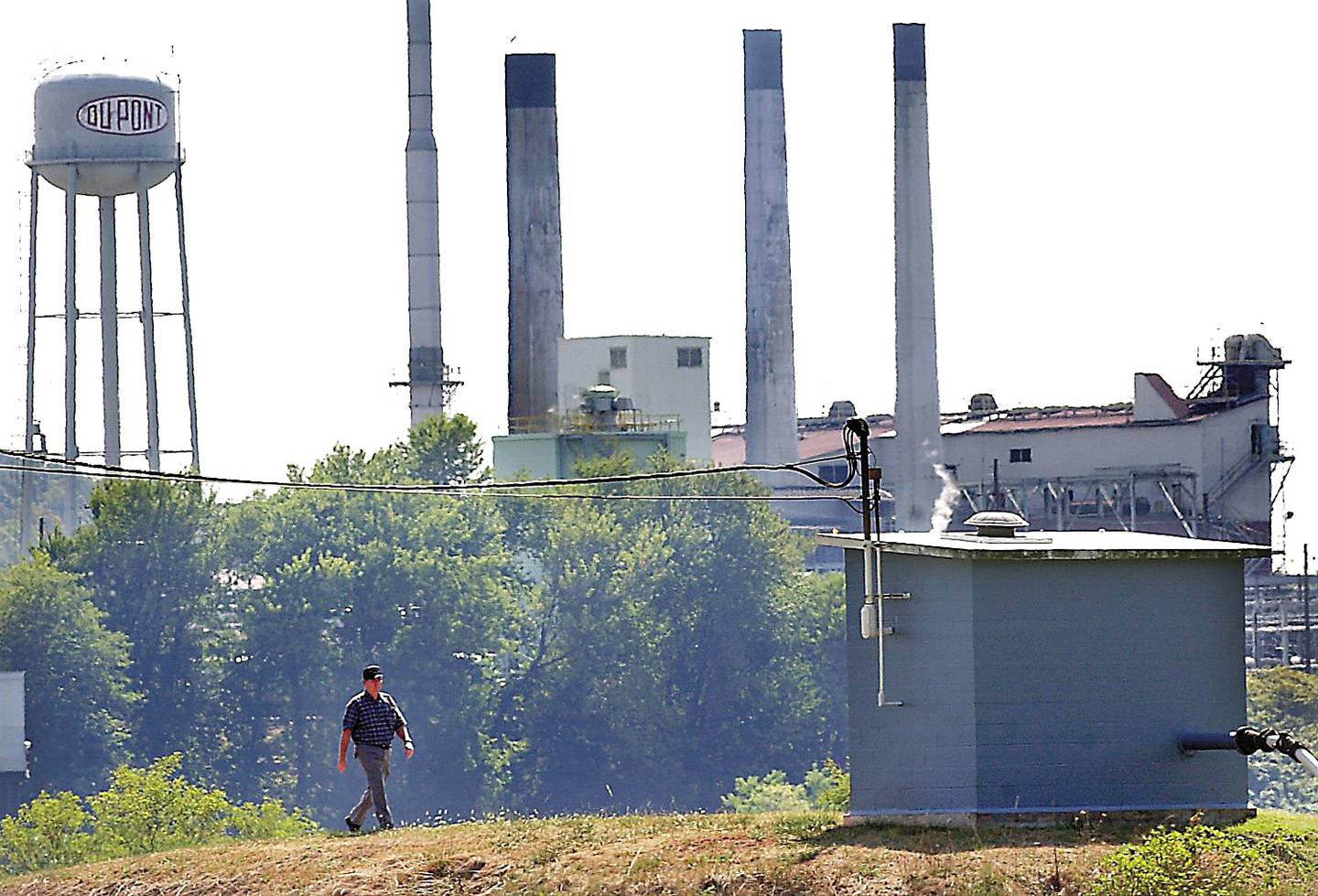
The DuPont Washington Works plant along Ohio River in Parkersburg, West Virginia, is shown in this undated photo. (The Marietta Times/AP)

The chemicals have been added to nonstick cookware, water-repellent clothing, stain-resistant fabrics and carpets, cosmetics, firefighting foams, food packaging and other products that resist grease, oil and water.

PFAS persist in the environment and accumulate in people, animals and aquatic life. These “forever chemicals” are in the blood of nearly every American, including newborn babies.

>>> Read the full story here

Advertisement

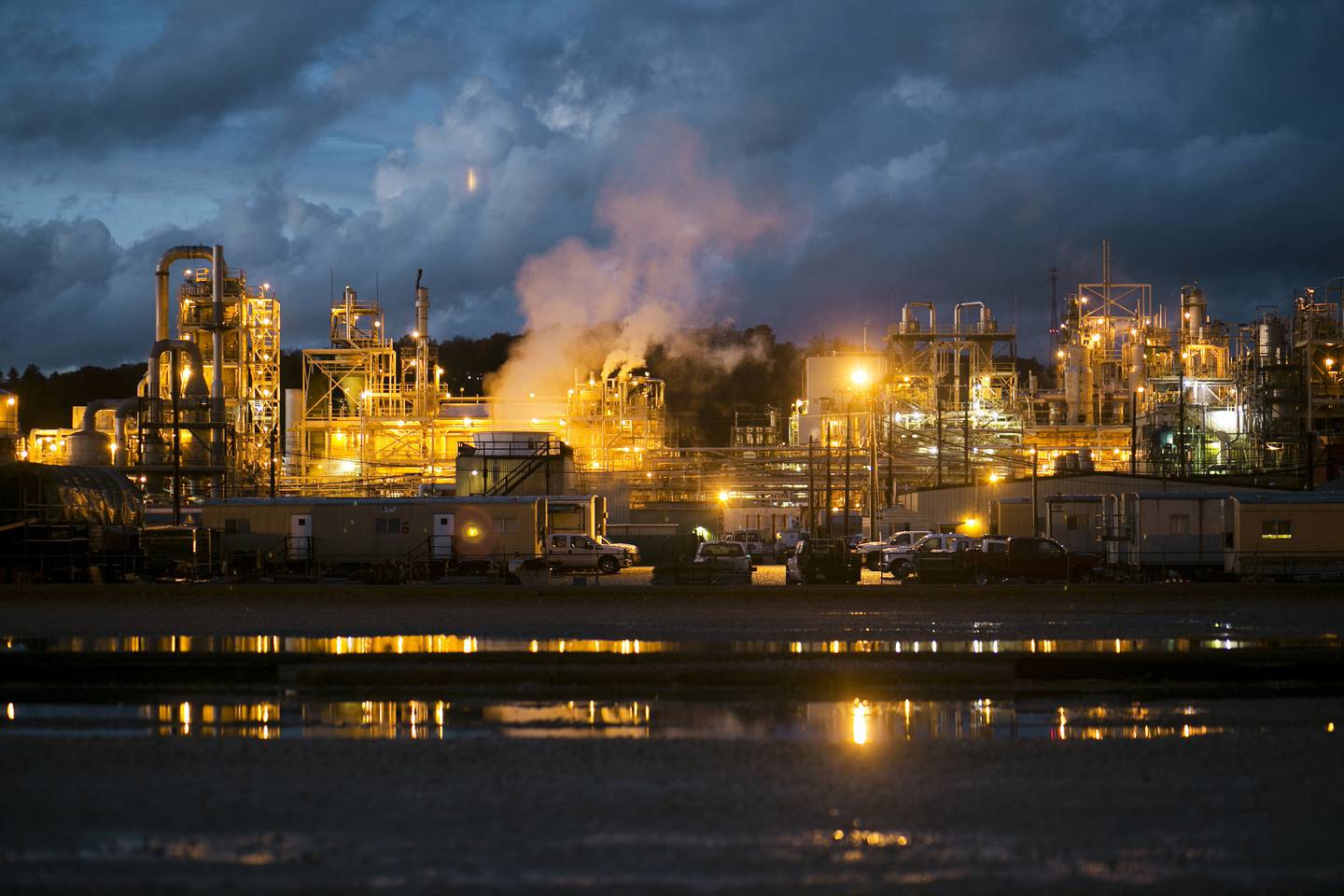
DuPont’s Washington Works plant in Parkersburg, West Virginia. (Maddie McGarvey/for the Washington Post)

If Wilbur Earl Tennant’s cows hadn’t died from a mysterious wasting disease during the 1990s, the world might have never learned about the secret history of toxic forever chemicals.

>>> Read the full story here

Share. Facebook Twitter Pinterest LinkedIn Reddit WhatsApp Telegram Email
Previous ArticleJohnny Cueto’s strong start and Gavin Sheets’ heroics lead the Chicago White Sox to a 3-2 win over the Oakland A’s
Next Article Column: When it comes to protecting Justin Fields, there was nowhere to go but up for the Chicago Bears offensive line
staff

Related Posts

Uncle Remus Says Similar Restaurant Name Is Diluting Its Brand and Misleading Customers

Youth curfew vote stalled in Chicago City Council’s public safety committee

Organizers, CBA Coalition pushback on proposed luxury hotel near Obama Presidential Center

Leave A Reply Cancel Reply

Video of the Week
https://www.youtube.com/watch?v=AxFXtgzTu4U
Advertisement
Video of the Week
https://www.youtube.com/watch?v=OjfvYnUXHuI
ABOUT US


The Windy City Word is a weekly newspaper that projects a positive image of the community it serves. It reflects life on the Greater West Side as seen by the people who live and work here.

OUR PICKS

Law Roach credits Chicago roots for his meteoric rise as image architect during book tour

2 Minute Warning LIVEstream – Blacks and Jews can we come together to win this election?

2 Minute Warning Livestream Conversation – The Civil Rights Struggle and How We Fit In

MOST POPULAR

Chicago ‘Fibroid Slayer’ Makes History with Biggest Case of His Career

COMMENTARY: Using Art, Healing, And Community to Transform Mental Health Dialogue

OP-ED: Measure ER Offers an Opportunity to Vote Our Values

© 2026 The Windy City Word. Site Designed by No Regret Medai.
  • Home
  • Lifestyle
  • Podcast
  • Contact Us

Type above and press Enter to search. Press Esc to cancel.