



Dr. Herb Turner
Founder, President and Principal Scientist
Analytica Inc
Dr. Marina Merrill
Director of Research & Strategy
Children’s Institute
In 2023, the Oregon legislature launched the Early Literacy Success Initiative to help all students learn to read, as only 46% of students read proficiently by the end of grade 3. To support the initiative, the Children’s Institute (CI) partnered with the Regional Educational Laboratory Northwest (REL Northwest) to compile accessible, evidence-based resources to support this effort and strengthen literacy practices for young children.
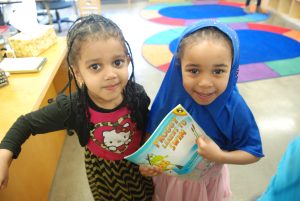
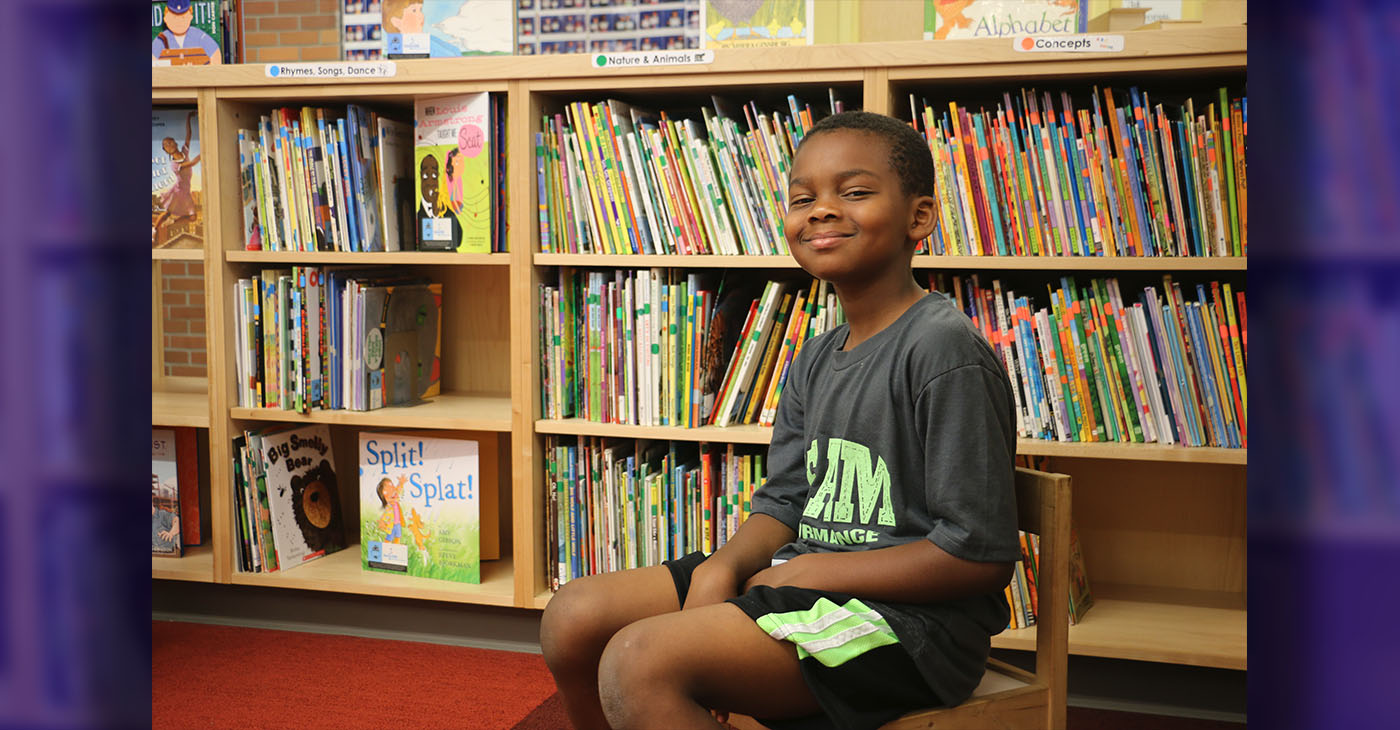
Preschool students at the Preschool Promise program at the Center for African Immigrants and Refugees in Portland, Oregon.
Why early literacy matters
Why focus on birth to grade 3? Early experiences shape the foundation for all future learning, with critical brain development occurring before age five. When young children develop strong language skills early on, they are better equipped to engage in learning and succeed academically. Children who fail to achieve reading proficiency by grade 3 are four times more likely to drop out of high school. Thus, early literacy is an educational priority and an equity issue, as it can help mitigate the effects of poverty and systemic inequities.
Evidence-based early literacy resources
REL Northwest compiled vetted resources to support early literacy from ages 0–3 and preschool to grade 3. For children ages 0–3, these resources include interactive reading apps, early literacy games, and parent-child reading guides. Educators and parents can integrate these strategies into home visiting programs, early intervention services, and community-based programs. For older children in preschool and elementary school settings, the resources include guided reading materials, phonics-based learning tools, and literacy assessment guides.
For example, How Parents and Families Support Oral Language and Vocabulary provides research-based strategies, example texts, and real-life vignettes that parents and families can use to develop oral language skills in infants, toddlers, and preschoolers, including those from diverse linguistic backgrounds. Another resource, A Kindergarten Teacher’s Guide to Supporting Family Involvement in Foundational Reading Skills, helps teachers support families in practicing foundational reading skills at home as a companion to the recommendations for classroom instruction. These resources address the unique needs and challenges faced by students, including students from low-income families, English learner students, and students with disabilities.
Children’s Institute published these resources on a custom web page designed for families, caregivers, practitioners, and policymakers to access and use practices linked to improving student outcomes. The resources are presented in a user-friendly format with clear instructions and explanations.
Policy context and future directions
The shift toward identifying literacy skills on the zero-to-grade-3 continuum reflects a growing recognition of the importance of early childhood education. This approach aligns with national trends and funding opportunities, emphasizing the need for comprehensive early literacy strategies. By thinking beyond the traditional PreK–3 continuum, Oregon is positioning itself as a leader in early childhood education reform.
The infusion of state funding into early literacy initiatives, particularly the Early Literacy Success Initiative, opens new possibilities. By leveraging this funding, educators and policymakers can adopt and integrate these tools and strategies into their existing frameworks, ensuring that every child in Oregon can develop strong literacy skills from the earliest age.
By creating a more equitable education system that empowers all children to reach their full potential, this initiative aims to improve early literacy and foster a sense of shared responsibility and commitment to the future of our children and our communities. Lessons learned can or should inform efforts throughout the country and inspire action on early literacy.
The role of REL Northwest and Children’s Institute
REL Northwest plays a crucial role in building the capacity of education stakeholders across Alaska, Idaho, Montana, Oregon, and Washington and helping state and district leaders use data and evidence for informed decision-making. REL Northwest conducts applied research and provides training and technical support to state and local education agencies and community organization partners in the region.
Children’s Institute, a nonprofit organization, focuses on improving the lives of children from prenatal to fifth grade in Oregon, especially those facing systemic barriers like poverty, racial inequities, disabilities, or rural areas. CI’s work focuses on shaping state early childhood policy related to early learning and healthy development and working with schools and districts to strengthen teaching practices in preschool through fifth grade with its Early School Success initiative. They collaborate with various stakeholders, including families, educators, regional leaders, policymakers, and health organizations, to ensure a comprehensive approach to early childhood education.