
Close Menu
  • Home
  • News
    • Local
  • Opinion
  • Business
  • Health
  • Education
  • Sports
  • Podcast

Subscribe to Updates

Get the latest creative news from FooBar about art, design and business.

What's Hot

COMMENTARY: Joy of Educating Black Boys

BEST OF TASTY CLIPS: Remembering Tito Jackson as ‘Michael’ Reaps Box Office Gold

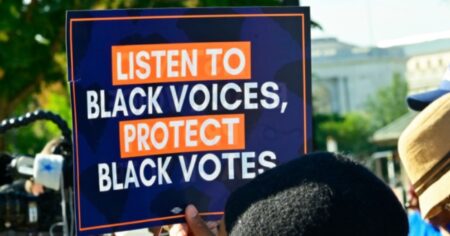
The NAACP is Calling for Athletes to Help Fight for Voting Rights

Facebook X (Twitter) Instagram
  • Lifestyle
  • Podcast
  • Contact Us
Facebook X (Twitter) Instagram Pinterest Vimeo
The Windy City Word
  • Home
  • News
    1. Local
    2. View All

    Uncle Remus Says Similar Restaurant Name Is Diluting Its Brand and Misleading Customers

    Youth curfew vote stalled in Chicago City Council’s public safety committee

    Organizers, CBA Coalition pushback on proposed luxury hotel near Obama Presidential Center

    New petition calls for state oversight and new leadership at Roseland Community Hospital

    The Growing Conversation Around Mindful Consumption of Alcoholic Drinks

    Black Women in Rural Areas Grapple with Stark Decline in Obstetric Care

    How Personalized Recovery Plans Help Treat Addiction for Long-Term Sobriety

    Why More Black Couples Are Turning to Online Couples Therapy

  • Opinion

    Rep Davis, Olive Post CDR., Call on Trump to Restore file of Black Vietnam War Hero to Website

    Capitalize on Slower Car Dealership Sales in 2025

    The High Cost Of Wealth Worship

    What Every Black Child Needs in the World

    Changing the Game: Westside Mom Shares Bally’s Job Experience with Son

  • Business

    Illinois Department of Innovation & Technology supplier diversity office to host procurement webinar for vendors

    Crusader Publisher host Ukrainian Tech Businessmen eyeing Gary investment

    Sims applauds $220,000 in local Back to Business grants

    New Hire360 partnership to support diversity in local trades

    Taking your small business to the next level

  • Health

    The Growing Conversation Around Mindful Consumption of Alcoholic Drinks

    Black Women in Rural Areas Grapple with Stark Decline in Obstetric Care

    How Personalized Recovery Plans Help Treat Addiction for Long-Term Sobriety

    Why More Black Couples Are Turning to Online Couples Therapy

    The Best Skincare Routine for Oily Skin

  • Education

    COMMENTARY: Joy of Educating Black Boys

    ‘Find a Way or Make a Way’: Congresswoman Nikema Williams Announces $250,000 in Campus Security Funding for CAU

    How UNCF is Cultivating the Next Generation of Legacy Leaders

    Black Student Loan Default Rate Five Times Higher than Whites

    10 Assets of Black People

  • Sports

    NBA Playoffs: ATL, Raptors and T-Wolves win Game 3s

    Dads, Kids & Community Clean with a Purpose

    WNBA Draft 2026 Explained

    WAVE – Jax Unveils New Women’s Pro Basketball League

    A DREAM COME TRUE: Angel Reese is traded to the Atlanta Dream

  • Podcast
The Windy City Word
Featured

COMMENTARY: From Reconstruction to the SAVE Act

staffBy staffUpdated:No Comments3 Mins Read
Facebook Twitter Pinterest Telegram LinkedIn Tumblr Email Reddit
Share
Facebook Twitter LinkedIn Pinterest WhatsApp Email

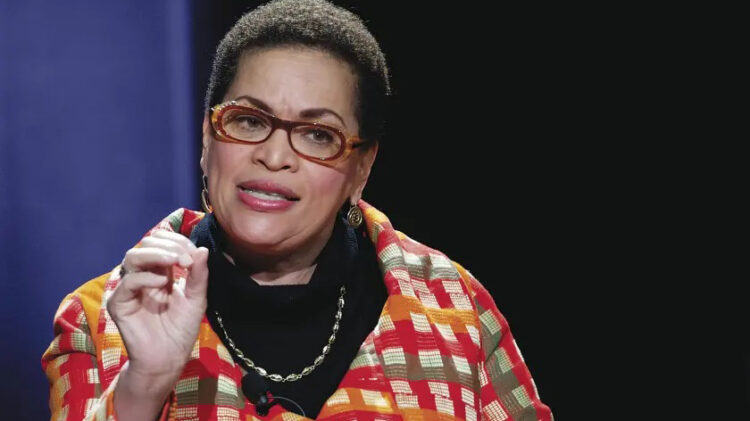
By Dr. Julianne Malveaux

Frederick Douglass did not know the day he was born.

Like many enslaved people, he was denied even the dignity of documentation. Birth dates were approximations. Family lines were severed. Identity existed in property ledgers, not in public record.

His mother, Harriet Bailey, called him her “little Valentine,” and Douglass later chose February 14 as his birthday — an act of self-definition in a country that refused to define him as fully human.

That act matters.

Douglass understood something fundamental: identity is not granted by paperwork. It is asserted through presence, voice and participation. He claimed authorship over his own life in a nation structured to deny it.

Today, we are debating whether documentation should determine access to democracy.

The SAVE Act would require documentary proof of citizenship to register to vote in federal elections. Passports. Birth certificates. Paper trails. Supporters frame it as administrative protection. But the history of American democracy teaches us that administrative mechanisms are rarely neutral.

Paperwork has always been political.

After Reconstruction, when Black political participation expanded, new rules narrowed the electorate. Literacy tests. Poll taxes. Grandfather clauses. Each was presented as procedural. Each functioned as a barrier.

The methods change. The objective — control over who counts — does not.

Documentation requirements would fall hardest on those least likely to have ready access to formal records: seniors born at home in the Jim Crow South, low-income Americans without passports, married women whose legal names no longer match their birth certificates. Even producing paperwork can become a test of belonging.

Documented cases of noncitizen voting are exceedingly rare. The question is not fraud prevention; it is access.

Reconstruction was not only about emancipation. It was about participation. Black men voted. Black officials were elected. Black institutions were built. And when those gains threatened entrenched power, backlash followed.

In 1898, in Wilmington, North Carolina, a legitimately elected multiracial government was overthrown. Black political power was dismantled. The ballot was replaced by the bullet. It was not disorder; it was organized suppression.

The lesson is sobering. When participation expands, resistance emerges.

Today’s debates unfold in legislative chambers rather than in armed mobs. But the question remains: who has the authority to define citizenship?

Douglass claimed his identity in a system that denied him documentation. He did not wait for official recognition to assert his humanity. He understood that democracy depends not on perfect records, but on inclusive participation.

When paperwork becomes a prerequisite for political voice, we should ask whether we are strengthening democracy — or narrowing it.

The struggle over the ballot has never been merely procedural. It has always been about power.

Douglass defined himself when the state would not.

The question now is whether we will let the state decide who counts.

Dr. Julianne Malveaux is a Washington, D.C.-based economist and author.

Share. Facebook Twitter Pinterest LinkedIn Reddit WhatsApp Telegram Email
Previous ArticleAFUWI – Gala to Honor Outstanding Leaders
Next Article Subaru Real Off-Roader, Worth Every Penny! #shorts
staff

Related Posts

COMMENTARY: Joy of Educating Black Boys

BEST OF TASTY CLIPS: Remembering Tito Jackson as ‘Michael’ Reaps Box Office Gold

The NAACP is Calling for Athletes to Help Fight for Voting Rights

Leave A Reply Cancel Reply

Video of the Week
https://www.youtube.com/watch?v=AxFXtgzTu4U
Advertisement
Video of the Week
https://www.youtube.com/watch?v=OjfvYnUXHuI
ABOUT US


The Windy City Word is a weekly newspaper that projects a positive image of the community it serves. It reflects life on the Greater West Side as seen by the people who live and work here.

OUR PICKS

Auto Tariffs UpDate – Review of Press Cars

Why a $31,000 Car Might Be Out of Reach

Car Buying Secrets: Hidden Savings & Structured Access Revealed #shorts

MOST POPULAR

The Growing Conversation Around Mindful Consumption of Alcoholic Drinks

Black Women in Rural Areas Grapple with Stark Decline in Obstetric Care

How Personalized Recovery Plans Help Treat Addiction for Long-Term Sobriety

© 2026 The Windy City Word. Site Designed by No Regret Medai.
  • Home
  • Lifestyle
  • Podcast
  • Contact Us

Type above and press Enter to search. Press Esc to cancel.