




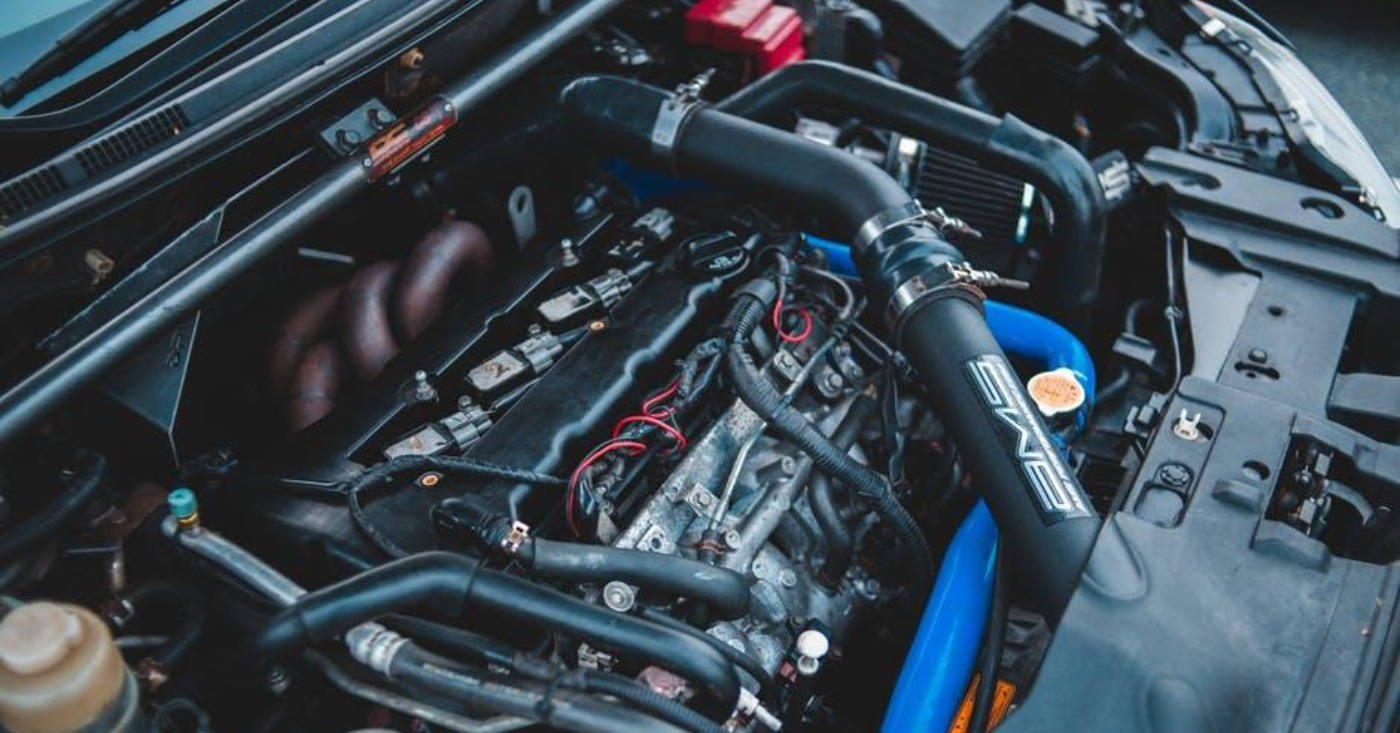

From giving owners the opportunity to solve obsolescence issues related to discontinued parts to providing them with cost-effective repairs, these are some of the primary ways aftermarket auto parts breathe life into older or broken-down vehicles. They also offer upgrades that help boost vehicle reliability, comfort, and performance.
With those benefits, it’s no wonder the aftermarket car parts industry is an economic powerhouse. A report from Mordor Intelligence shows that in the United States alone, the market’s estimated size was $238.75 billion in 2026, a figure it projects to grow to $292.27 billion by 2031.
What Are Aftermarket Auto Parts?
Aftermarket automotive parts are accessory or replacement parts made by a third-party company, not the vehicle’s or part’s original equipment manufacturer (OEM). As they’re often widely available and more affordable, many consumers use them as an alternative to dealer-carried OEM parts.
Indeed, automotive aftermarket industry newsletter AftermarketMatters.com reported on the recent survey, “Automotive Aftermarket Pulse 2025,” which found that 57% of consumers now prefer independent aftermarket parts over OEM ones.
Are OEM Parts Still Better Than Aftermarket Auto Parts?
The primary difference between OEM and aftermarket performance parts or replacement components is that the former is the official recommendation of the company that made the vehicle. They’re usually the same parts originally installed in the car when it first rolled off the assembly line.
Still, OEM parts are not always better than high-quality aftermarket automotive products. Some aftermarket parts can have the same quality as high-performance parts manufactured by the OEM.
You can even sometimes find aftermarket parts identical to the OEM ones, with the components coming off the same assembly line. In this case, the supplier sells the OEM part in an aftermarket box for much less than the one labeled “Genuine” OEM.
How Do Aftermarket Auto Parts Breathe New Life Into Older Cars?
Whether you wish to restore a car with parts that have already become obsolete or you just want to extend the life of your current ride due to budgetary reasons, aftermarket auto parts can help. They can even aid in making cars more reliable, comfortable, and better-performing.
Solving Obsolescence Issues
Automakers usually stop manufacturing parts for discontinued models after several years, depending on warranty obligations and market demand. If you have an old car you want to fix or restore but can’t due to obsolescence concerns, consider looking into aftermarket parts.
Aftermarket part makers often step in to bridge inventory gaps, even for discontinued models.
Providing Cost-Effective Repairs
Regardless of the car repairs you need, you’ll most likely find the aftermarket auto body parts, engine components, or suspension pieces you require. Not only are they more widely available, but they’re also typically cheaper than OEM parts.
As Diesel World Magazine points out, the price of OEM parts can be 50% to 100% higher than aftermarket ones.
With aftermarket parts being your ticket to more cost-effective repairs, you can use them to your advantage and breathe new life into your ride. With high-quality, properly installed aftermarket components, you can make your vehicle roadworthy again for less than what you’d otherwise pay if you went with all OEM replacement parts.
Offering Valuable Reliability, Comfort, and Performance Upgrades
If your car is a base or lower-level trim, it may have parts made of basic or lower-end materials (e.g., hard plastics or fewer grease fittings in suspension parts). Replacing these with aftermarket parts made of upgraded materials can help slow down wear and tear or fix known defects.
You can, for example, swap out plastic parts with metal components or get suspension parts with more grease fittings.
Many aftermarket part makers also make products designed to meet, even exceed, modern creature comforts and are compatible with older cars. You can fit a vintage car, for instance, with a modern, aftermarket infotainment system and even an upgraded air conditioning and heating unit.
Many aftermarket auto parts also offer performance upgrades, allowing car owners to change the dynamics of their older car completely.
Adding heavy-duty suspensions and upgrading to electronic fuel injection are two examples of popular enhancements. You can also install modern, energy-efficient LED headlights inside vintage housings.
Frequently Asked Questions
Are There Any Disadvantages to Aftermarket Automotive Parts?
While aftermarket car parts have many notable advantages like cost-effectiveness and wide availability, they’re not perfect and can present several drawbacks. One of these is incorrect fitment.
Since aftermarket parts offer a “universal” fit, they don’t always have the same dimension tolerances as their OEM counterparts. Buying these ill-fitting components can lead to installation headaches or incorrect alignment, both of which can cause issues with handling and tire wear.
Inconsistent quality is another issue car owners should be aware of when buying aftermarket car parts. While many brands make products that exceed original specifications, the cheapest or lowest-budget options may sometimes cut corners.
Such parts can wear and tear much faster and fail early.
How Can You Ensure the Quality of the Aftermarket Car Parts You Buy?
Always do your due diligence when buying aftermarket car parts, which involves careful research of each of your prospective makers/suppliers. Look for third-party quality certifications, such as from the Certified Automotive Parts Association (CAPA).
CAPA is one of the leading certifying organizations within the aftermarket automotive parts industry. It provides testing to verify and ensure aftermarket parts are functionally equivalent to their OEM counterparts.
You should also consider sticking to reputable manufacturers known for their superb engineering. Highly reputable brands usually make hefty investments in their research and development processes, sometimes even manufacturing parts that they supply straight to automakers.
Don’t forget to read verified reviews. They can give you a way to gauge real-world experiences regarding proper fit and part longevity.
Restore Your Car’s Glory With Aftermarket Auto Parts
Properly installed, high-quality aftermarket auto parts can help make your ride roadworthy again by giving you access to more cost-effective replacement parts, even discontinued ones. They can even make your car better by providing reliability, comfort, and performance upgrades.
If you’re looking for more informative guides like this or would like to read up on the latest events in the Black community, we’ve got you covered. Check out more of our recent posts and news articles to stay in the loop.
The post Aftermarket Auto Parts Breathe New Life into Older Cars appeared first on BlackPressUSA.