




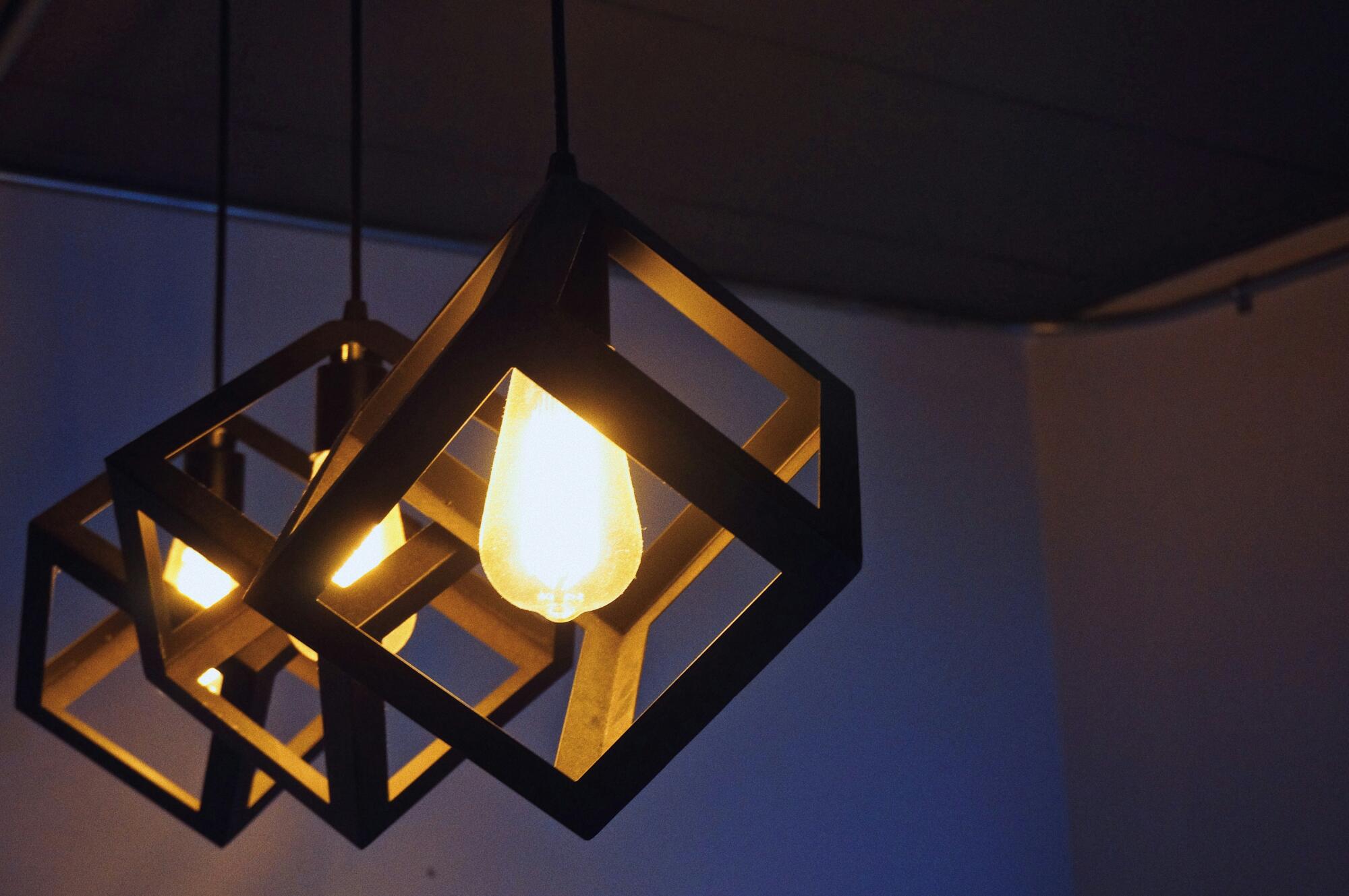
Harsh lighting is losing its place in modern homes because it creates glare, flattens depth, and makes spaces feel less comfortable than they should. Interiors now favor softer, layered lighting that adjusts to different moments, supports mood, and brings out design details without overpowering the room.
You step into a thoughtfully designed room, yet the overhead light feels sterile, almost like a waiting room. It flattens textures, throws sharp shadows, and takes away that sense of ease. As comfort and atmosphere take priority, lighting has moved beyond basic function to shape how a space feels, with softer, adjustable options becoming the clear go-to.
What Makes Lighting Harsh?
Harsh lighting is usually the result of too much intensity without control. When a light source is overly bright for the size or purpose of a room, it overwhelms the space instead of supporting it.
Glare is a major contributor. Light that shines directly into the eyes or reflects sharply off surfaces creates discomfort and makes it harder to settle into a room. This effect is often amplified by exposed bulbs or fixtures that lack any form of diffusion.
Color temperature adds another layer. Cooler, blue-leaning light can feel stark, especially in spaces meant for relaxing. Without warmth or variation, it strips away softness and makes interiors feel rigid.
Placement also matters for home lighting design. Lighting that is concentrated in one spot, particularly from above, tends to cast hard shadows and leave other areas unevenly lit.
Soft Lighting Solutions
Soft lighting solutions focus on balance, diffusion, and flexibility. Instead of relying on a single bright source, the goal is to spread light across a room in a way that feels natural and easy on the eyes.
Layering is the foundation. Combining ambient, task, and accent lighting allows each area to serve a purpose without overwhelming the space. This approach makes it easier to shift from daytime activity to evening relaxation without changing the room itself.
Diffusion plays a key role. Shades made from fabric, frosted glass, or textured materials help break up direct light and reduce glare. This creates a softer glow that feels more comfortable, especially in living rooms and bedrooms.
Adjustability adds another level of control. Dimmers and smart bulbs allow you to fine-tune brightness throughout the day, which helps prevent overlighting and keeps the atmosphere consistent.
Many homeowners now look to curated collections like Modern, Classic & Designer Lighting to find fixtures that balance form and function. These designs are built to distribute light more evenly while complementing the overall style of a space, making it easier to move away from harsh, single-source lighting.
What Are the Most Common Lighting Mistakes Homeowners Still Make?
Many homes still struggle with lighting because older habits are hard to break. Even well-designed spaces can feel off when lighting is treated as an afterthought rather than part of the overall plan.
Relying on a single overhead fixture remains one of the most common issues. It tends to flood the room with light from one direction, which creates glare and uneven shadows.
Using bulbs that are too bright or too cool for the room can make interiors feel sterile. Living areas often benefit from warmer, softer tones. Cooler light works better in task-focused zones.
Lights positioned without considering how they interact with walls and finishes can create harsh reflections or leave key areas in shadow. Balance matters more than brightness.
Control is also missing in many homes. Without dimmers or adjustable options, lighting stays fixed at one intensity regardless of the time of day.
Including Natural Light
Natural light brings:
- Softness
- Variation
- A sense of openness
- Better colour accuracy across materials
- A more relaxed, lived-in feel
Instead of competing with daylight, the goal is to work with it and extend its effect throughout the home.
Maximizing window exposure is one of the most effective steps. Keeping window areas clear of heavy coverings allows more daylight to move through a space. Sheer curtains or light-filtering shades offer privacy without blocking brightness.
Surface choices also make a difference. Light-colored walls and reflective finishes help bounce daylight deeper into a room.
Layout plays a role as well. Open pathways between rooms allow daylight to travel more freely, especially in homes with larger windows in shared spaces. Even small adjustments, like repositioning furniture, can improve how light flows.
Frequently Asked Questions
Is Harsh Lighting Ever Useful?
Harsh lighting still has a place, though it works best in controlled, task-focused settings rather than throughout an entire home. Bright, direct light can improve visibility where precision matters, such as:
- Food prep areas
- Home offices
- Garages
- Utility rooms
The key is using it intentionally. In kitchens, for example, stronger lighting over counters helps with cutting and cooking, while softer lighting can be used in surrounding areas.
How Can You Test Lighting Before Committing to Fixtures?
Start by experimenting with bulbs and placement before installing modern lighting trends. Swap in different color temperatures and brightness levels to see how the room feels at various times of day. This simple step often reveals whether a space needs softer or more focused interior design illumination.
Temporary lighting setups can also help. Use the following to mimic where future fixtures might go:
- Floor lamps
- Table lamps
- Plug-in sconces
- LED light strips
Move them around and observe how light spreads across walls, furniture, and key areas.
Pay attention to how the lighting interacts with your finishes. Turn the lights on during the evening and compare them to natural daylight.
What Is Overlighting?
Overlighting happens when a space has more light than it actually needs, often from too many fixtures or bulbs that are too bright for the room. Instead of improving visibility, it creates glare, harsh shadows, and an uncomfortable atmosphere that can feel overwhelming.
It usually shows up in rooms that rely on a single, high-intensity ceiling light or where multiple bright sources compete without balance. The result is a space that feels flat and overly exposed.
The following can quickly correct it:
- Reducing brightness
- Adding dimmers
- Spreading light across different sources
- Switching to warmer bulb tones
- Using diffused shades or covers
Avoid Harsh Lighting In Your Home
Clearly, harsh lighting is something to avoid when creating your dream home.
Do you want more home redesign advice? Dive into some of our amazing options.