




By Alexandria Green Jones
As momentum builds around new sickle cell legislation in Georgia, advocates say a deeper issue continues to threaten the very communities the disease impacts most. Black-led organizations on the front lines are still being shut out of critical funding.
The urgency grew on March 26, 2026, when the Sickle Cell Disease Protection Act advanced out of the Georgia Senate Health and Human Services Committee. While the bill still must clear the Senate floor, return to the House, and ultimately reach the governor’s desk, its movement has renewed attention around the fight for equitable support for sickle cell patients and the organizations serving them.
At the same time, frustration is mounting over how federal sickle cell funding is being distributed. In February, Congress approved a fiscal package that included more than $20 million for sickle cell programs. But many Black-led organizations doing direct, community-based work say they are not seeing those dollars.
Instead, advocates argue, much of the money is being directed to larger white-led organizations that are often far removed from the day-to-day realities of families living with sickle cell disease and may not reinvest those resources directly back into the communities most affected.
For Dr. Lakiea Bailey, the issue is both personal and political.
Diagnosed with sickle cell disease at age 3, Bailey endured multiple surgeries and repeated hospitalizations throughout her life. Despite those challenges, she went on to earn a bachelor’s degree in biochemistry and molecular biology and later a doctorate in molecular hematology and regenerative medicine.
“As someone who has lived with sickle cell disease since childhood, I know firsthand that community support can mean the difference between surviving and truly living. That is why investing in community-based organizations is not optional. It is essential,” said Dr. Bailey.
After seeing firsthand how many people living with sickle cell disease struggled to access adequate treatment and resources, Bailey founded the Sickle Cell Community Consortium. The organization was created to bring together patients, caregivers, community-based organizations, researchers, and health care leaders to address the urgent and often overlooked needs of the sickle cell community.
Now, as legislative conversations continue, Bailey and other advocates are calling attention to what they see as a painful contradiction: sickle cell disease is finally gaining more visibility in policy spaces, but the Black-led groups with the deepest roots in impacted communities are still being left out of the funding conversation.
“For too long, Black-led organizations have been expected to do the hardest work with the fewest resources,” said Dr. Bailey. “It is deeply troubling to see millions allocated for sickle cell programs while the very organizations rooted in the community are being shut out. If the goal is to help patients, the dollars must reach the people doing the work on the ground every single day.”
That exclusion, advocates say, has real consequences. Community-based organizations are often the first to help families navigate care, connect patients to resources, provide education, and push for policy change. Without equitable access to funding, many say the work becomes harder to sustain, even as the need continues to grow.
The debate also highlights a broader concern that has long followed public health funding, whether resources meant to address disparities are truly reaching the people and institutions closest to the problem.
For Bailey, the answer must include intentional investment in Black-led organizations with proven ties to the sickle cell community.
“We cannot keep celebrating progress in legislation while ignoring the inequity in funding. Visibility without investment is not justice,” Dr. Bailey explained. “If lawmakers and decision-makers are serious about changing outcomes for sickle cell patients, then they must also be serious about funding the Black-led organizations. The Black community built the advocacy, carried the burden, and sounded the alarm on sickle cell. We should not have to beg for a seat at a table we built.”
As Georgia lawmakers weigh the future of the Sickle Cell Disease Protection Act, advocates say the larger question cannot be ignored: Who is being trusted to lead this work, and who is being left behind?
For families living with sickle cell disease, that answer could shape far more than policy. This could determine the alignment of awareness with action and the allocation of funding to the communities that have been fighting this battle for generations.
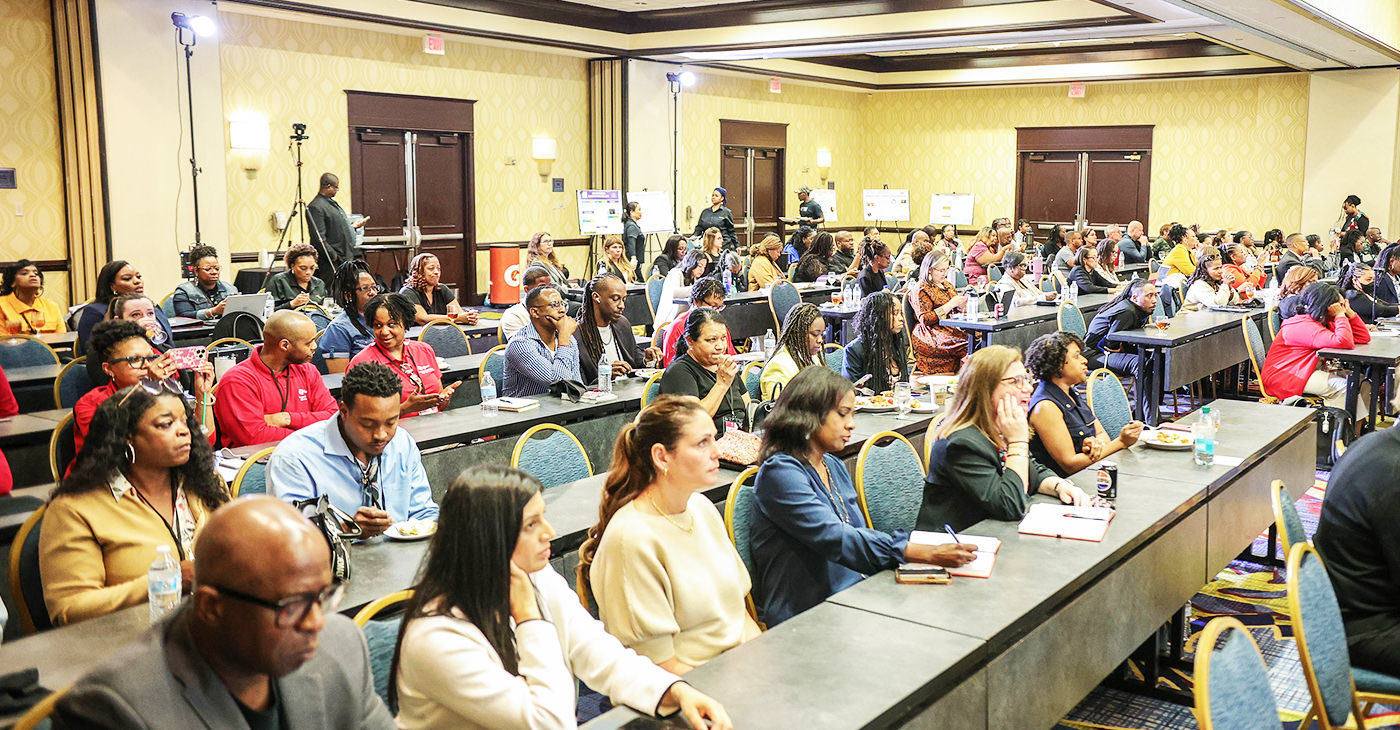
From April 7 to 11, Dr. Bailey will host the largest convening of Sickle Cell patients, Advocates, physicians, and the community at The Westin Atlanta Airport, 4736 Best Road, Atlanta, Georgia.