


Close Menu
  • Home
  • News
    • Local
  • Opinion
  • Business
  • Health
  • Education
  • Sports
  • Podcast

Subscribe to Updates

Get the latest creative news from FooBar about art, design and business.

What's Hot

My Head Start Success Story

More Than a Biopic: “Michael” and the Power of a Global Icon

Epstein Pressure Mounts As Trump Turns To Nigeria Strikes

Facebook X (Twitter) Instagram
  • Lifestyle
  • Podcast
  • Contact Us
Facebook X (Twitter) Instagram Pinterest Vimeo
The Windy City Word
  • Home
  • News
    1. Local
    2. View All

    Uncle Remus Says Similar Restaurant Name Is Diluting Its Brand and Misleading Customers

    Youth curfew vote stalled in Chicago City Council’s public safety committee

    Organizers, CBA Coalition pushback on proposed luxury hotel near Obama Presidential Center

    New petition calls for state oversight and new leadership at Roseland Community Hospital

    NFL Week 17: The Playoff Picture Comes into Sharper Focus

    NFL Week 16: The Playoff Picture and Clinching Scenarios

    Dying From a Name: Racism, Resentment, and Politics in Health Care Are Even More Unaffordable

    In Photos: South Carolina State overcomes 21-point deficit to win 3rd HBCU National Championship

  • Opinion

    Capitalize on Slower Car Dealership Sales in 2025

    The High Cost Of Wealth Worship

    What Every Black Child Needs in the World

    Changing the Game: Westside Mom Shares Bally’s Job Experience with Son

    The Subtle Signs of Emotional Abuse: 10 Common Patterns

  • Business

    Illinois Department of Innovation & Technology supplier diversity office to host procurement webinar for vendors

    Crusader Publisher host Ukrainian Tech Businessmen eyeing Gary investment

    Sims applauds $220,000 in local Back to Business grants

    New Hire360 partnership to support diversity in local trades

    Taking your small business to the next level

  • Health

    Dying From a Name: Racism, Resentment, and Politics in Health Care Are Even More Unaffordable

    Rural America Faces the First Cut as ACA Support Hits a High

    A World Pulled Backward: Child Deaths Rise as Global Health Collapses Under Funding Cuts

    Breaking the Silence: Black Veterans Speak Out on PTSD and the Path to Recovery

    Plant Based Diets Reduce High Blood Pressure, Prostate Cancer, Heart Disease, and More

  • Education

    Educating the Early Childhood Educators

    School Choice Is a Path Forward for Our Communities

    42nd Annual UNCF Mayor’s Masked Ball To Raise Funds & Awareness For HBCU Students

    It’s Time to Dream Bigger About What School Could Be

    Seven Steps to Help Your Child Build Meaningful Connections

  • Sports

    NFL Week 17: The Playoff Picture Comes into Sharper Focus

    NFL Week 16: The Playoff Picture and Clinching Scenarios

    In Photos: South Carolina State overcomes 21-point deficit to win 3rd HBCU National Championship

    College Football Playoff bracket is set: Indiana on top, Notre Dame left out

    Prairie View SHOCKS Jackson State; wins the SWAC Championship

  • Podcast
The Windy City Word
Featured

OP-ED: We Need to Talk About Domestic Violence

staffBy staffUpdated:No Comments4 Mins Read
Facebook Twitter Pinterest Telegram LinkedIn Tumblr Email Reddit
Share
Facebook Twitter LinkedIn Pinterest WhatsApp Email

By Nathaniel M. Fields
CEO, Urban Resource Institute

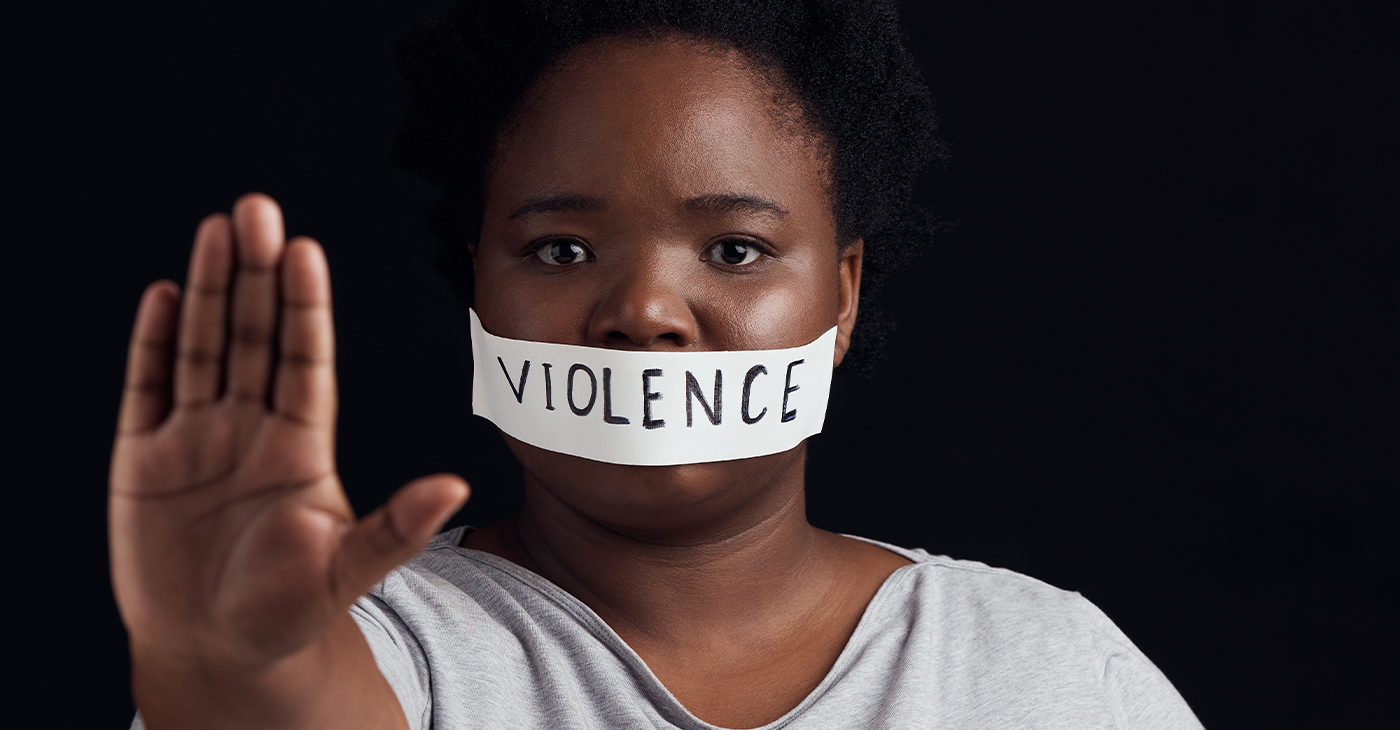
October is Domestic Violence Awareness Month, a time to honor survivors, remember those we have lost, and confront one of the most pervasive and deadly forms of violence in our society. Yet year after year, this month passes with too little outrage and too little action.

As a Black man and the CEO of the Urban Resource Institute, the largest provider of domestic violence shelter services in the United States, I feel a deep responsibility to speak plainly. Domestic violence is a shadow pandemic in America.

Every minute, 24 people experience physical, emotional, or psychological harm from an intimate partner. One in four women and one in seven men will endure this abuse in their lifetime. By the end of the day, three women would have been murdered by an intimate partner. For Black and brown women, the impact is far more devastating-both in scale and in severity.

Across the country, systemic inequities make safety, healing, and justice painfully out of reach. Black women represent only 14 percent of the U.S. population but account for 31 percent of intimate partner homic ides. They are three and a half times more likely to be killed by a partner than white women and five times more likely to die by firearm during pregnancy. Between 201O and 2021, the number of Black women killed by guns tripled, with domestic violence driving much of that increase.

These are not just statistics. They are lives lost, families shattered, and communities left grieving in silence. And still, domestic violence remains one of the most underreported crimes in America. Too many survivors, especially women of color, stay silent out of fear, discrimination, or mistrust of systems that have too often failed to protect them.

For Black and brown women, those fears are magnified by economic abuse, the hidden weapon of control. Nearly every survivor experiences some form of financial coercion. Partners withhold money, destroy credit, sabotage jobs, and seize vital documents. When someone cannot open a bank account, work, or pay rent without permission, leaving is not a choice-it becomes a matter of survival.

We must face a hard truth: we cannot end domestic violence without addressing economic abuse and homelessness.

While the Violence Against Women Act in 1995 marked a turning point, our systems still fall short. Survivors need more than shelter. They need economic independence, accountability for those who have caused harm, and prevention that begins early.

At the Urban Resource Institute, we meet survivors where they are. We provide safe, trauma-informed shelters for individuals, families, and even their pets because safety should never come with conditions. We equip survivors with job readiness, legal support, and financial tools to rebuild their lives with stability and dignity. We reach young people through our Relationship Abuse Prevention Program, teaching what healthy relationships look like long before abuse begins. And through our Abusive Partner Intervention Program, we work directly with those who have caused harm to build accountability and change.

These programs work. They are changing lives every day. Yet too often, funding for prevention and intervention is seen as optional rather than essential. If we are serious about ending domestic violence, we must invest in solutions that address the full continuum-from emergency shelter to long-term stability, from survivor safety to offender ac countability.

The truth is, we all know someone who is experiencing domestic violence. By the time you finish reading this, three women will have been murdered by an intimate partner. But here is the hope: We have the knowledge, the tools, and the programs to stop it.

What we need now is the will.

We must raise awareness, remove stigma, and make resources visible and accessible. Policymakers must prioritize prevention and invest in grassroots organizations that meet survivors where they are. Communities must speak up, believe survivors, and hold abusers accountable.

This generation has the power to end the shadow pandemic. We can make safety, healing, and justice a reality for every survivor-if we act now.

Let’s get to work.

Share. Facebook Twitter Pinterest LinkedIn Reddit WhatsApp Telegram Email
Previous ArticleOP-ED: The Power and Necessity of Future-Proofing Career Paths
Next Article The Walls Remember: Murals and the Unyielding Story of Black America
staff

Related Posts

My Head Start Success Story

More Than a Biopic: “Michael” and the Power of a Global Icon

Epstein Pressure Mounts As Trump Turns To Nigeria Strikes

Leave A Reply Cancel Reply

Video of the Week
https://www.youtube.com/watch?v=AxFXtgzTu4U
Advertisement
Video of the Week
https://www.youtube.com/watch?v=OjfvYnUXHuI
ABOUT US


The Windy City Word is a weekly newspaper that projects a positive image of the community it serves. It reflects life on the Greater West Side as seen by the people who live and work here.

OUR PICKS

Staying in downtown Chicago? Try these 17 Black-owned restaurants

2 Minute Warning LIVEstream – “When VOTING isn’t ENOUGH”

Forester’s Engine: 180HP & 176 lb-ft of Torque!

MOST POPULAR

Dying From a Name: Racism, Resentment, and Politics in Health Care Are Even More Unaffordable

Rural America Faces the First Cut as ACA Support Hits a High

A World Pulled Backward: Child Deaths Rise as Global Health Collapses Under Funding Cuts

© 2025 The Windy City Word. Site Designed by No Regret Medai.
  • Home
  • Lifestyle
  • Podcast
  • Contact Us

Type above and press Enter to search. Press Esc to cancel.