

As this edition of The Washington Informer hits the stands, millions of citizens have cast their ballots, made their voices heard, and begun reflecting on the election’s outcome. The atmosphere this election season has been heavy. We feel the weight of history, the tension of a divided nation, and anxiety about tomorrow. In this issue, I remind Gen Z voters of the past struggles that secured this right.
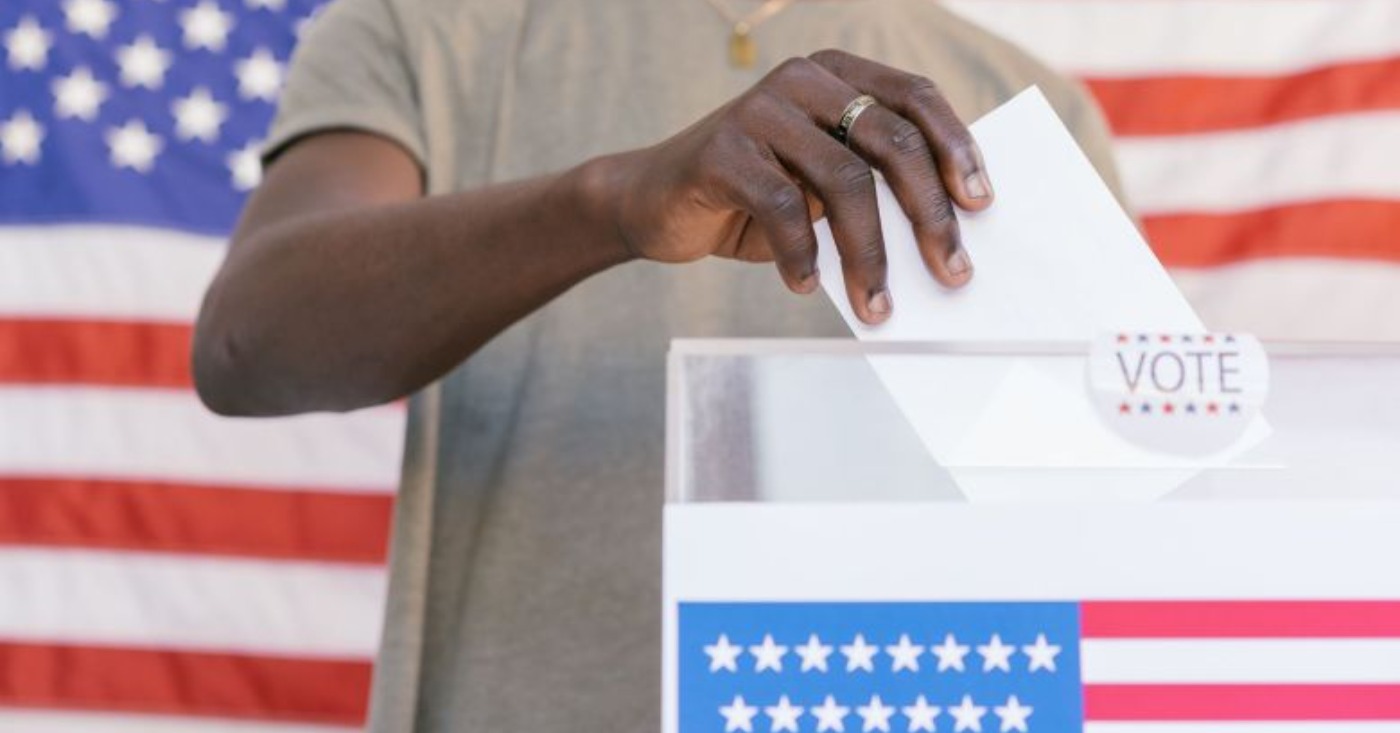
I voted early, which reminded me that votingisn’t a mere political calculation. For people of faith, it is a profound act of stewardship, a tool for community survival and an expression of our deepest moral values.
For Black Americans, low-income families and marginalized communities, the ballot is a sacred inheritance. The right to vote was not a gift; it was paid for in blood, sacrifice, and the determination of people whorefused toaccept second-class citizenship. We must never forget that for decades, our ancestors faced systemic terror just to register. They were met with violent police dogs, high-pressure fire hoses, mandatory literacy tests designed to make them fail, and the constant threat of white supremacist violence.
Historians estimate that dozens of documented freedom fighters were murdered during the voting rights campaigns of the 1950s and 1960s, with countless other deaths unrecorded or unpunished. Millions more endured brutal beatings and dehumanizing jail cells. The protections we rely on today were forged in the heat of protest, through the 1961 Freedom Rides, the dangerous 1964 Freedom Summer registration drives, and the brutal crossing of the Edmund Pettus Bridge during the Selma-to-Montgomery march on “Bloody Sunday” in 1965.
Today, we stand on the broad shoulders of giants who put their lives on the line so we could walk into a voting booth with our heads held high.
We remember Fannie Lou Hamer, asharecropper’s daughter who was brutally beaten in a Mississippi jail for her voting rights activism and famously declared that she was “sick and tired of being sick and tired.”
We remember John Lewis, who, as a student leader, had his skull fractured by police batons in Selma and spent his life protecting what he called the most powerful nonviolent tool we have.”
We honor Jimmie Lee Jackson, a 26-year-old church deacon and veteran who was shotand killedby an Alabama state trooper while protecting his family during a peaceful march.
We honor Medgar Evers, the NAACP field secretary who was assassinated in his driveway for his civil rights and voter registration work.
Lastly, we honor Viola Liuzzo, a mother of five who traveled from Detroit to Alabama to shuttle Selma marchers before she was targeted and killed by Ku Klux Klan members.
When we view the ballot box through the lens of history and faith, the narrative shifts from partisan warfare to spiritual responsibility. Voting becomes a tangible way to love our neighbors as ourselves.
The policies shaped by our votes directly affect the vulnerable, the poor, and the stranger. InMicah6:8, we are asked: “What does the Lord require of you but to do justice, and to love kindness, and to walk humbly with your God?”Notice the action words. We are commanded to do justice. Castinga ballot with the collectivecommunity in mind helps fulfill that requirement. Similarly, Proverbs 29:2teaches, “When the righteous are in authority, the people rejoice.”Righteousness in public policy is about fairness, equity, and protecting human dignity.
No matter what the election results show, our assignment remains unchanged. If your candidate won, your job now is to hold them accountable to justice and mercy. If your candidate lost, your job is to remain resilient, keeping your hands on the plow to protect the vulnerable and speak truth to power. Our ultimate hope does not rest in any political party or elected official.
If you have already voted, I commend you for honoring the ancestors. If you did not cast your ballot,I urge you to reflect on this election not with fear or cynicism, but as a reminder of our ongoing sacred responsibility.
For information on local election results and future voting opportunities, consult your official local election authorities. Continue to engage in the democratic process with a heart centered on love for your community, carry the names of those who died for your right to be there, and let us resolve to bind up our nation’s wounds together.
Please do not think this inhumane treatment is over. Though this column reminds readers of the past, everything is not perfect yet.
According to civil rights groups and a report by the organization JULIAN, which documentedmore than70 cases of suspected modern-daylynchings across seven Southern states between2000 and 2025, systemic violence persists. Furthermore, independent tracking by groups such as Black Lives Matter of Atlanta reportedly recorded a recent uptick between March 2025and August 2026, finding at least22 Blackindividuals dead under suspicious or unusual hanging circumstances across the country.
Each vote helps bring about the necessary change, and that change begins at the ballot box. Make that change!
Lyndia Grant is a speaker/writer living in the D.C. area. Her radio show, “Think on These Things,” airs Fridays at 6 p.m. on 1340 AM (WYCB), a Radio One station. To reach Grant, go to her website, www.lyndiagrant.com, email lyndiagrantshowdc@gmail.com or call 240-602-6295. Follow her on X @LyndiaGrant and on Facebook.
Based on reporting by Washington Informer.