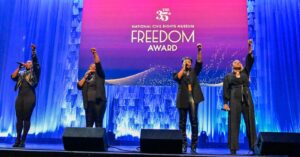


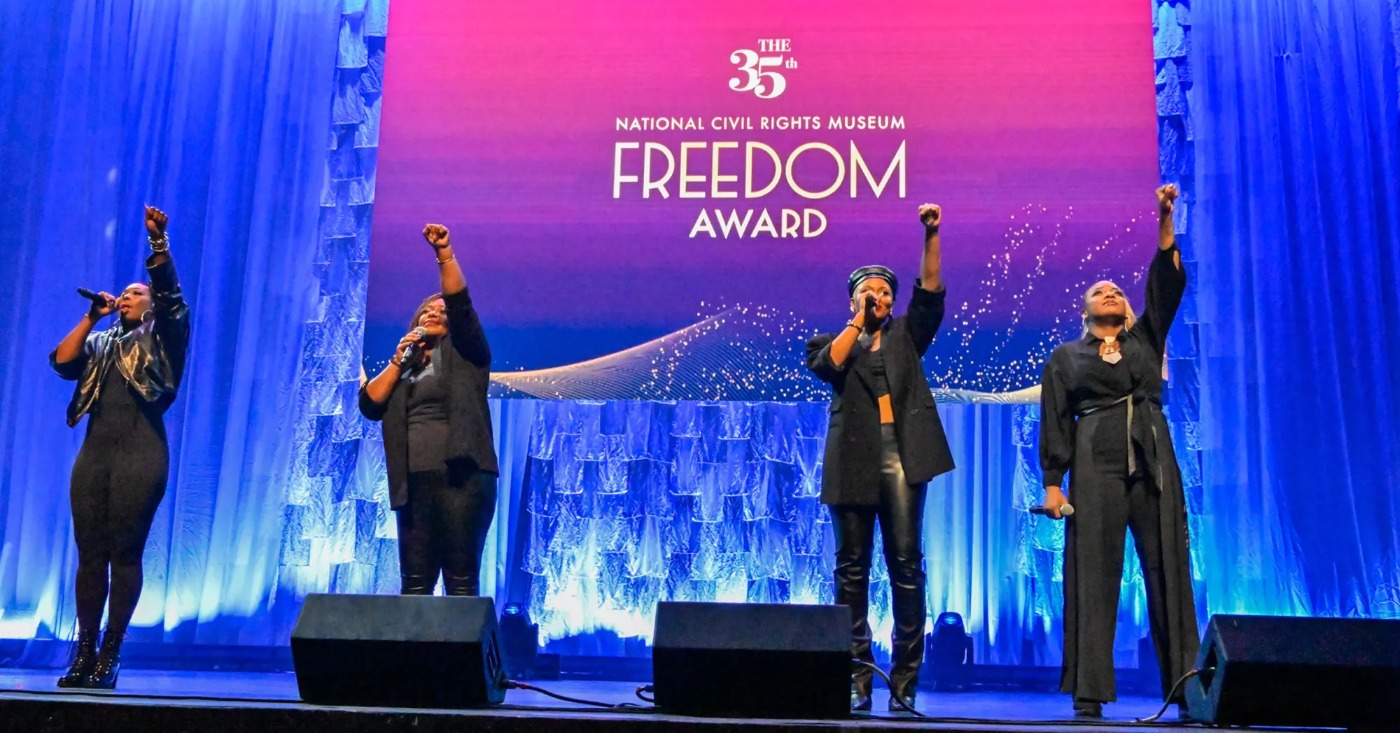
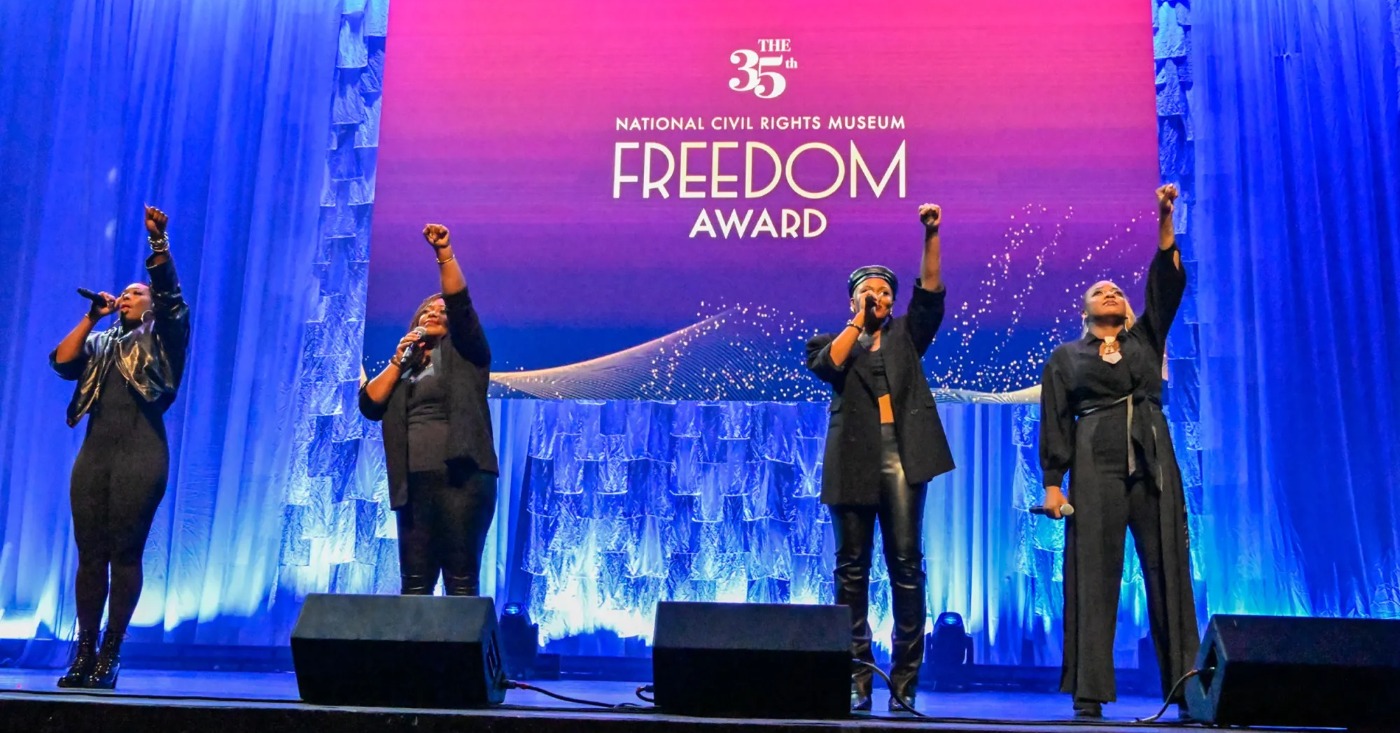
The honorees at the National Civil Rights Museum’s 35th annual Freedom Award ceremony held at the Orpheum Theatre on Thursday, Oct. 1, reflected a changing era of civil rights leadership.
Fred Gray Sr., one of the last surviving legal strategists of the Civil Rights Movement, helped dismantle segregation in America as the lawyer who represented Dr. Martin Luther King Jr. and Rosa Parks. Gray’s pioneering legacy now rests with the generations he helped empower, including fellow award recipients Rev. Shavon Arline-Bradley, Nneka Ogwumike and Bakari Sellers.
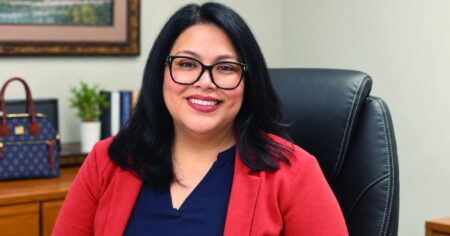
Arline-Bradley, an ordained minister, public health advocate, and president and CEO of the National Council of Negro Women since 2023, credits the women and civil rights legends who preceded her and built the organizations she now leads with making her work possible.
Nneka Ogwumike, WNBA champion and four-term president of the league’s players association, and Bakari Sellers, a lawyer, author, CNN political correspondent and former South Carolina legislator, represent a younger generation of human and civil rights activists. They are taking the fight into new arenas, from women’s sports and economic opportunity to voting rights, education and social justice.
Together, their stories shaped the event’s overall theme and mood, which celebrated the courage of freedom fighters of the past while embracing what civil rights leadership looks like now — and what it may become.
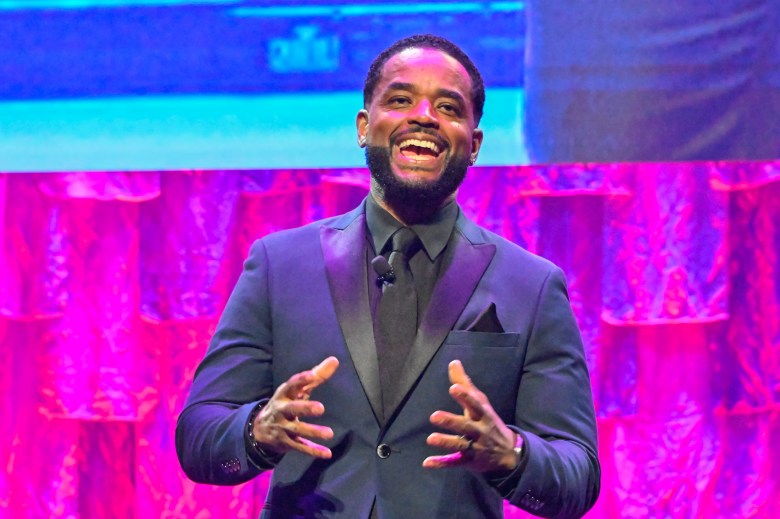
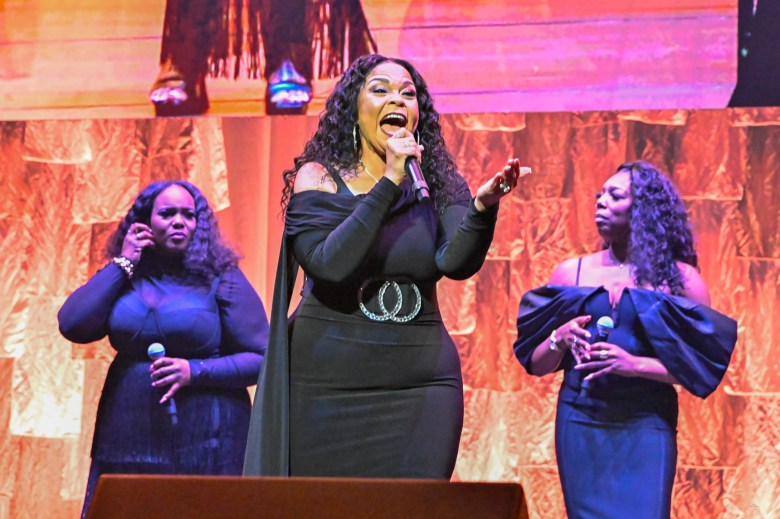
Before the ceremony, hundreds of guests gathered for photographs and interviews on the red carpet and hors d’oeuvres at the Halloran Centre for Performing Arts & Education next door to the Orpheum. Actor Larenz Tate hosted the event for the second consecutive year. Grammy Award-winning gospel artist Tamela Mann brought the audience to its feet with her performance of the hit song “Take Me to the King.” And local artist Garry Goin and the Freedom Award House Band performed a mix of R&B and liberation songs.
-
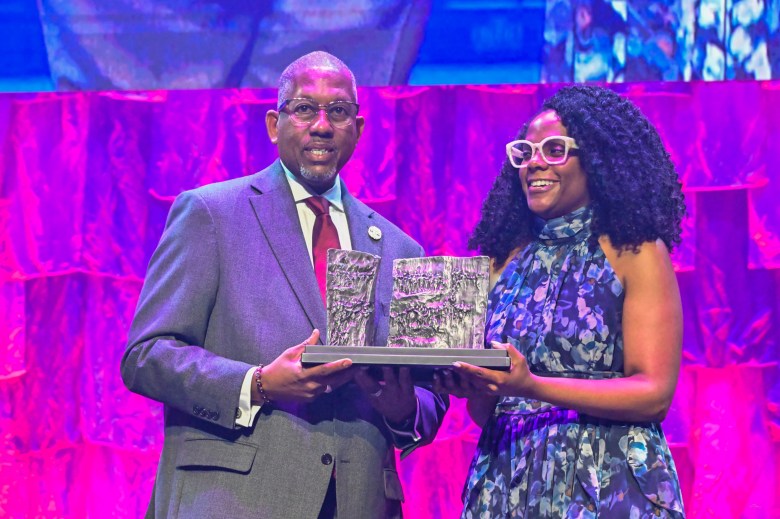
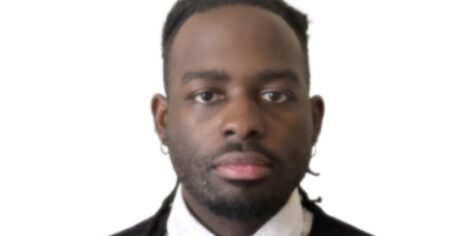
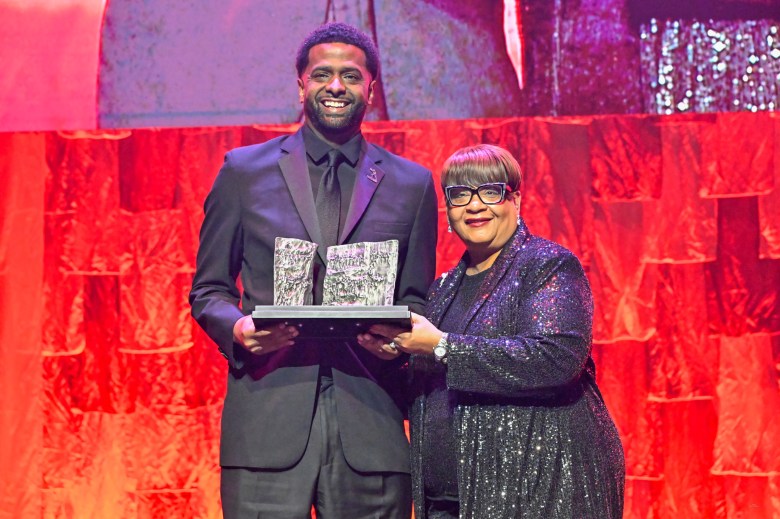
Fred Gray Jr. accepted the Freedom Award on behalf of his father, civil rights attorney Fred Gray Sr., who was unable to attend the ceremony. (Gary S. Whitlow/Tri-State Defender) -
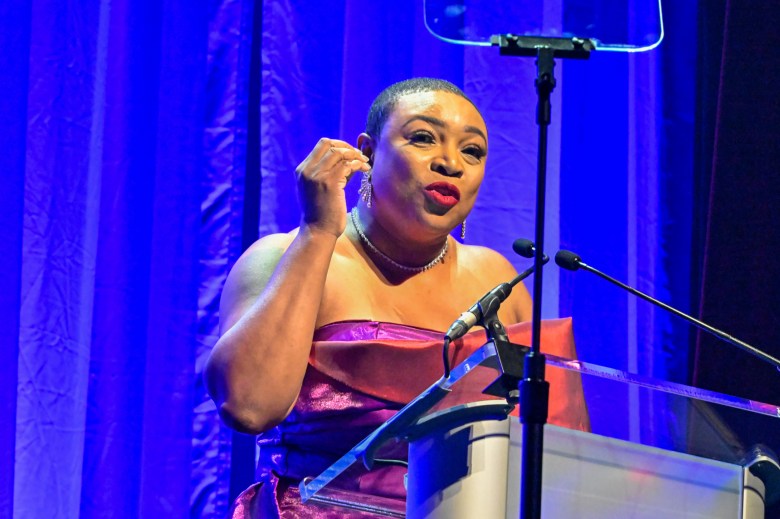
Rev. Shavon Arline-Bradley, president and CEO of the National Council of Negro Women, was among the honorees at the National Civil Rights Museum’s 35th annual Freedom Award. (Gary S. Whitlow/Tri-State Defender) -
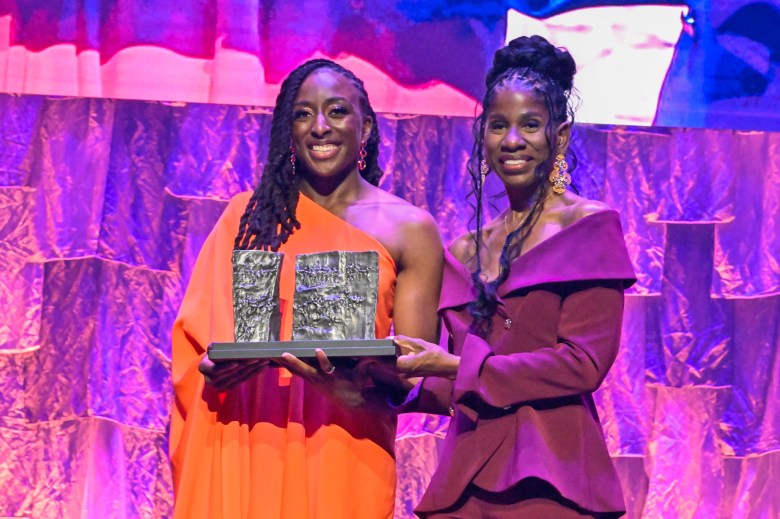
Nneka Ogwumike, WNBA champion and four-term president of the league’s players association, was honored at the National Civil Rights Museum’s 35th annual Freedom Award. (Gary S. Whitlow/Tri-State Defender) -
Bakari Sellers, lawyer, author, CNN political correspondent and former South Carolina legislator, was honored at the National Civil Rights Museum’s 35th annual Freedom Award. (Gary S. Whitlow/Tri-State Defender)
Taking the stage to accept the first award was Arline-Bradley, who reflected on the legacy that shaped her path to leadership.
“This honor means more to me than you can ever imagine,” Arline-Bradley said, describing the moment as the culmination of what she believes God had in store for her.
She paid tribute to Dorothy Height, whose leadership helped secure the headquarters for the women’s advocacy nonprofit on Pennsylvania Avenue in Washington, D.C. Arline-Bradley described the building, located on the same street as the White House, as a representation of Black women’s history, power and resilience.
“NCNW stands as the only Black and women-owned building on Pennsylvania Ave,” she continued.
During her speech, Arline-Bradley outlined what she believes it will take to achieve freedom and equality today.
“If America wants to get her healing, we’ve got to climb to the rooftop of justice,” she said.
And justice includes using Black economic power to support companies with compatible values, she continued.
Fred Gray Jr. accepted the award on behalf of his father, who was unable to attend the ceremony. Gray, who practices law alongside his father and brother, recalled his father’s decision to become a lawyer and return to Montgomery, Alabama, determined to challenge segregation.
Gray connected his father’s legal work to Memphis’ sanitation workers, whose 1968 strike became a defining moment in the city’s civil rights history. “At 95, if he was here, he would say to you, ‘I have done what I can do. The rest is up to you,’” Gray Jr. said.
Ogwumike used her acceptance speech to connect the growing visibility of women’s sports to a broader conversation about opportunity and equality.
“In this moment, there are greater and more opportunities for girls and women in sports,” Ogwumike said, pointing to the example provided by the WNBA’s professional athletes who serve as role models for young girls.
She also addressed what she described as threats to women’s rights and access, including debates surrounding Title IX, voting rights, reproductive healthcare and gender violence. “We refuse to be bullied and we refuse to be silenced and made to disappear,” Ogwumike said.
Her remarks were followed by a surprise video message from former Vice President Kamala Harris, who thanked Ogwumike for “being a fighter for the people” and congratulated the evening’s other honorees.
The final honoree, Bakari Sellers, has family ties to Memphis. His mother grew up in the city. His grandfather, the Rev. E.W. Williamson, once served as pastor of Middle Baptist Church and Olivet Baptist Church.
Sellers wrapped his remarks in light humor as he reflected on his conversations with other advocates and his own social justice journey. At one point, he paused, overcome with emotion, as he recalled visiting the National Civil Rights Museum earlier in the day and standing on the balcony where Dr. Martin Luther King Jr. was assassinated on April 4, 1968.
“The victories they won are being torn down all around us,” Sellers said.
To illustrate the cost and cruelty of social injustice, he asked the audience to imagine a 10-year-old student who might one day cure cancer but is struggling in school because of hunger.
“Somewhere we have forgotten that we come from a people of dreamers,” Sellers said. “We have forgotten the price that was paid.
“I am only 42 years old. I don’t really deserve this thing,” Sellers said. “But I will promise you this: Tomorrow I will work harder than I did yesterday.”
A video montage at the black-tie ceremony paid tribute to influential figures who died this year, including civil rights organizer Bernard Lafayette, a leader in the Nashville Movement, Freedom Rides and the Selma voting rights campaign; Rev. Jesse Jackson, the civil rights icon, minister and founder of Operation PUS;, Memphis civil rights activist Clara Ester; feminist leader and journalist Gloria Steinem; and country music legend and philanthropist Dolly Parton.
Museum President Russ Wigginton commented ahead of the program on the generational evolution of Freedom Award honorees. He noted that earlier generations of civil rights leaders often could measure progress through changes in laws, court decisions and government policy. Marches, sit-ins and other forms of direct action helped produce the landmark legal changes achieved during the Civil Rights era of the 1950s and 1960s.
But today, he said, the work can be more difficult to measure because much of it involves changing hearts and minds, increasing empathy and encouraging people to understand cultural differences.
“It is a delicate balancing act that requires patience and commitment,” Wigginton said.
He added, however, the fundamental goal remains unchanged: equal rights for everyone.
Based on reporting by Tri-State Defender.