





Kristen Amundson has devoted her professional life to supporting students and parents throughout the education system. Previously, she authored “81 Questions for Parents” and “Unfinished Learning: Parents, Schools, and COVID School Closures.”
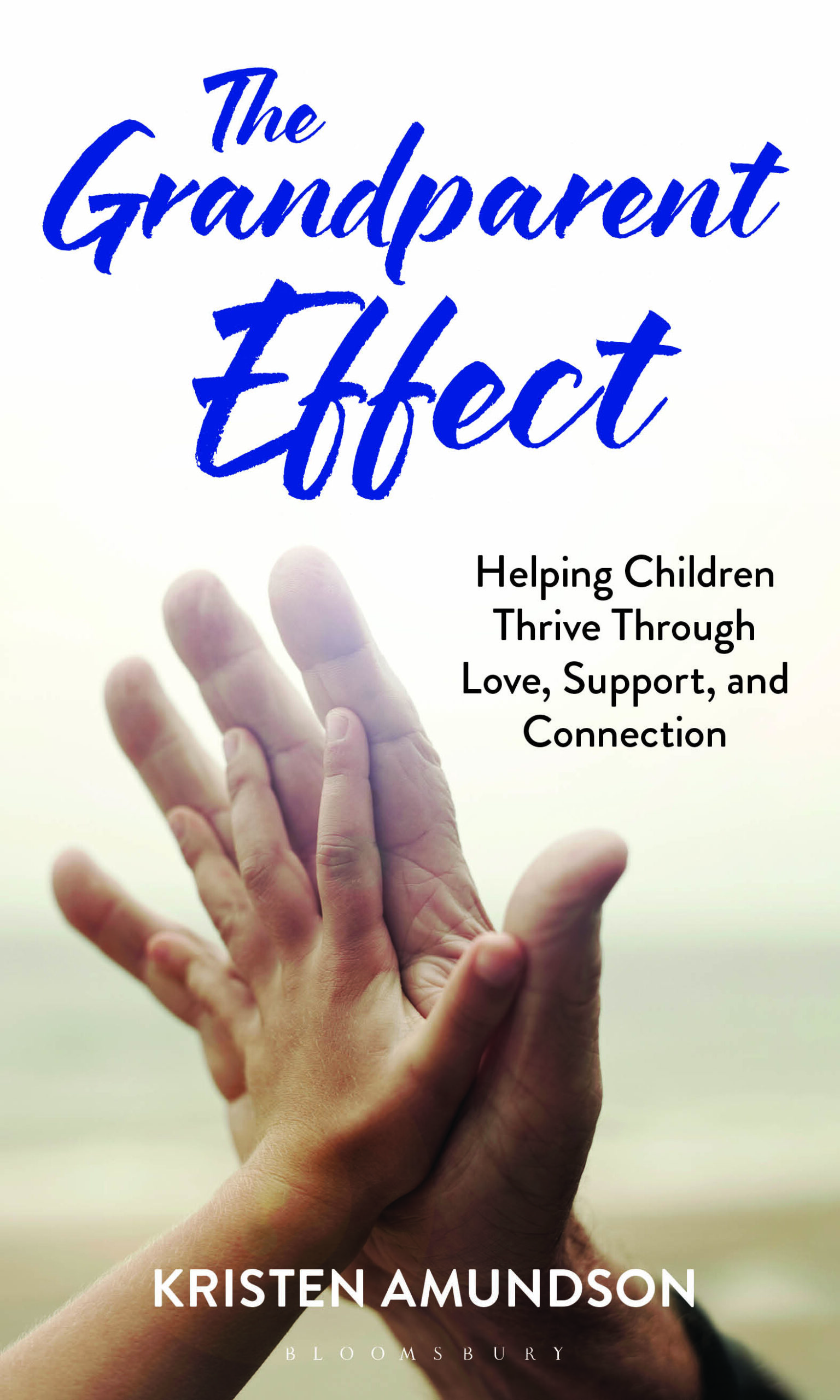
Amundson, the former president and CEO of the National Association of State Boards of Education, is now turning her attention to grandparents. Her new book is titled “The Grandparent Effect: Helping Children Thrive Through Love, Support, and Connection,” and is published by Bloomsbury.
Amundson explains that grandparents have become increasingly important in children’s lives due to longer lifespans and changing family dynamics. Originally, grandparents were important for children’s survival, particularly at a time when families were large and mothers needed extra caregiving support. Because mothers often turned to their mothers for this help, the positive impact on children was often called the “Grandmother Effect.”
Today, many more grandfathers are involved with their grandchildren. Amundson prefers to talk about the “Grandparent Effect” and notes that these caregivers also support reading and writing, boost confidence, and encourage grandchildren’s interests. She notes that those involved grandparents experience health benefits themselves (“if you have to get on the ground with an infant and take a child to the park, you are moving around and that’s good exercise!”).
The book provides an overview of how the role of grandparents has evolved over time, explaining that until the 19th century grandparents often lived close to their grandchildren and worked together on farms. She describes how the Industrial Revolution led to families splitting up, with children moving to cities for factory work while grandparents remained on farms, resulting in grandparents becoming poorer over time.
“There are many examples of how grandparents have adapted during recent challenges, including providing support during the pandemic through in-person care when possible or using technology like FaceTime and Zoom when physically distant, and taking on roles like ‘granny nannies’ to help with childcare and education needs,” she says.
Amundson tells the story of a grandmother who took the time to become certified in dyslexia training and taught her family members, including her granddaughter and grandson.
But with these added roles come some possible hiccups along the way. She emphasizes that grandparents need to remember they are no longer in charge like they were with their own children, and parents have the right to set rules that grandparents should respect. Amundson illustrates this point with examples about discipline and food choices, noting that grandparents should follow the parents’ guidelines rather than overruling them (except for maybe allowing an extra cookie).
“I know of a situation where grandparents crossing boundaries affected family dynamics when they took their grandchild to the emergency room without involving the parents, which later led to a temporary timeout for the grandparents.”
Amundson’s book also includes examples of ways grandparents advocate for the next generation, such as Texas grandmothers who speak out on state legislation.
Other grandparents participate in a self-help group supporting custodial grandparents who care for children whose parents are dealing with substance use issues or are incarcerated. The group provides practical support including educational seminars, college application assistance, and simple activities like Halloween decorations to help children feel included.
Amundson’s book is a valuable and enjoyable resource for grandparents who are navigating the excitement and joy of their senior status in the 21st century.
The post Author Kristen Amundson Explains ‘The Grandparent Effect’ and How It’s Helping Children Thrive Through Love, Support, and Connection appeared first on BlackPressUSA.